
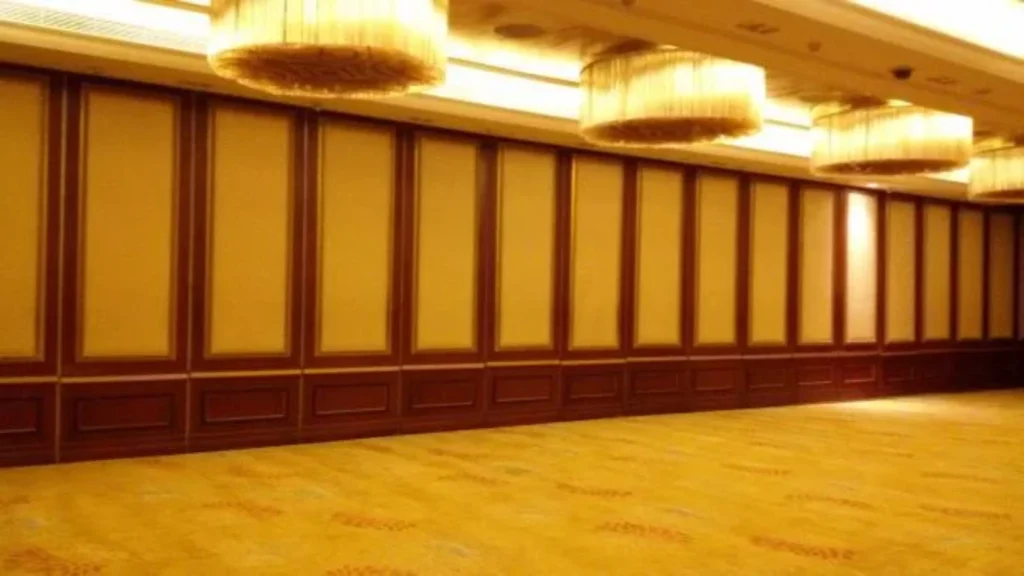
Quick answer: finish sample approval workflow
Review focus: finish sample approval workflow.
A partition finish sample approval workflow gives the project team a controlled way to compare proposed surfaces with the design intent before panels are released for production. For acoustic partition wall orders, the finish decision sits alongside layout, movement routes and pass-door requirements, so it should be reviewed as part of the same package rather than as a late cosmetic choice. This guide sets out a practical, evidence-bounded process for overseas contractors, architects, designers, owners and procurement teams. The exact overhead route and support arrangement must be confirmed by the responsible project team from coordinated drawings.
Why Finish Approval Deserves Its Own Workflow
Project review term: finish sample approval workflow.
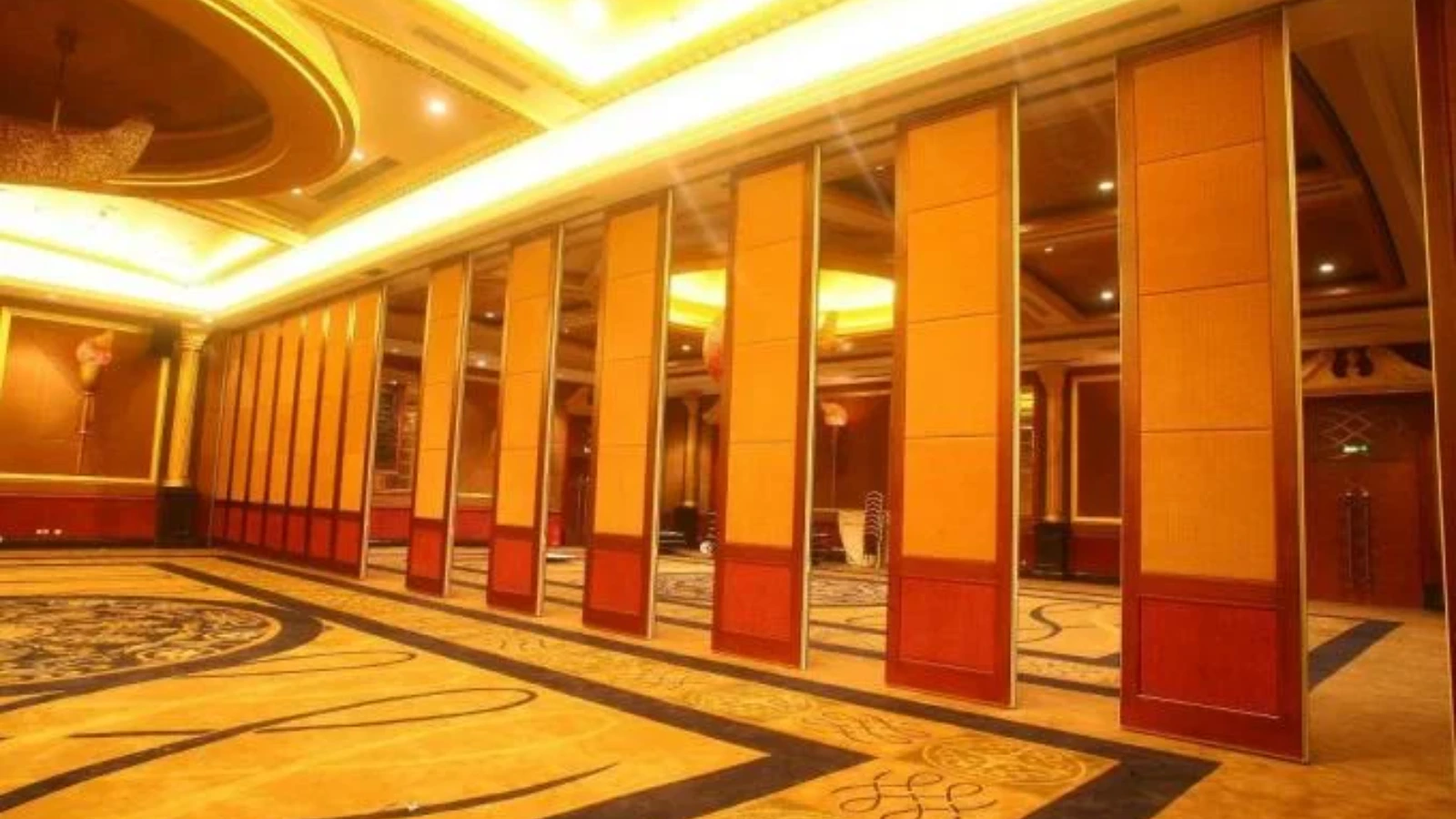
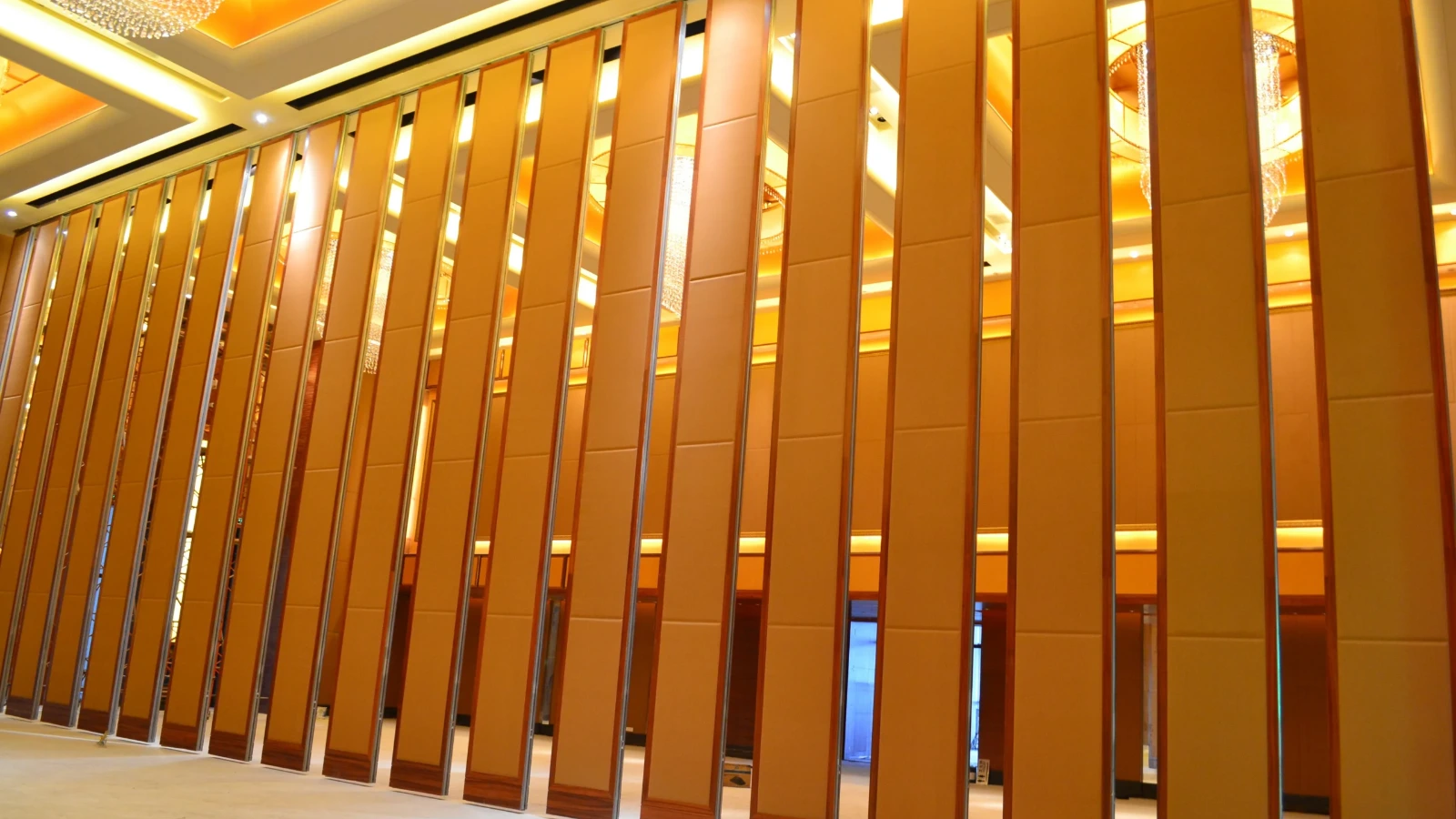
Finish is one of the few visible variables in a movable partition package. The panels are individually movable, suspended from a top track, cross the opening without a floor track and park at a planned stacking position.
A dedicated workflow separates three questions that are often mixed together: does the finish match the design intent, is the sample genuinely representative, and has the project confirmed the conditions that affect the order? The suitability of each route and parking arrangement depends on the approved layout, circulation, ceiling interfaces and operating sequence.
What the workflow is not
Visible references can support layout discussion but do not verify hidden construction or performance. A finish sample confirms appearance and surface character only. Those topics require their own project-specific evidence and confirmation.
Step-by-Step Sample Approval Process
Coordination scope: finish sample approval workflow.
The sequence below keeps decisions traceable. It can be adapted to the size of the package, but the order matters because each gate depends on the previous one.
- Confirm the finish direction. Record the intended surface family and the rooms or elevations where it applies. Confirmed finish options include laminate, melamine, fabric, leather, glass and other approved surfaces.
- Request representative samples. Ask for samples in the specified finish family and, where relevant, in the panel format being considered. Mark each sample with a reference the whole team can use.
- Review in context. Compare samples against the design intent, adjacent finishes and the lighting conditions expected in the space. Note any concerns in writing.
- Check the drawing package. Confirm that straight, turning and stacking routes have been reviewed from the layout, and that pass-door requirements are captured.
- Record the decision. Approve, approve with comments, or reject with reasons. Keep the approved sample as the reference for the order.
- Release against the approved reference. Production and delivery documents should cite the approved sample reference, not a verbal description.
Who should be in the review loop
Typical participants include the architect or designer, the contractor, the owner’s representative and the procurement lead. On renovation projects, a facilities or operations representative can help confirm how the space will be used. The goal is one agreed reference, not multiple parallel approvals.
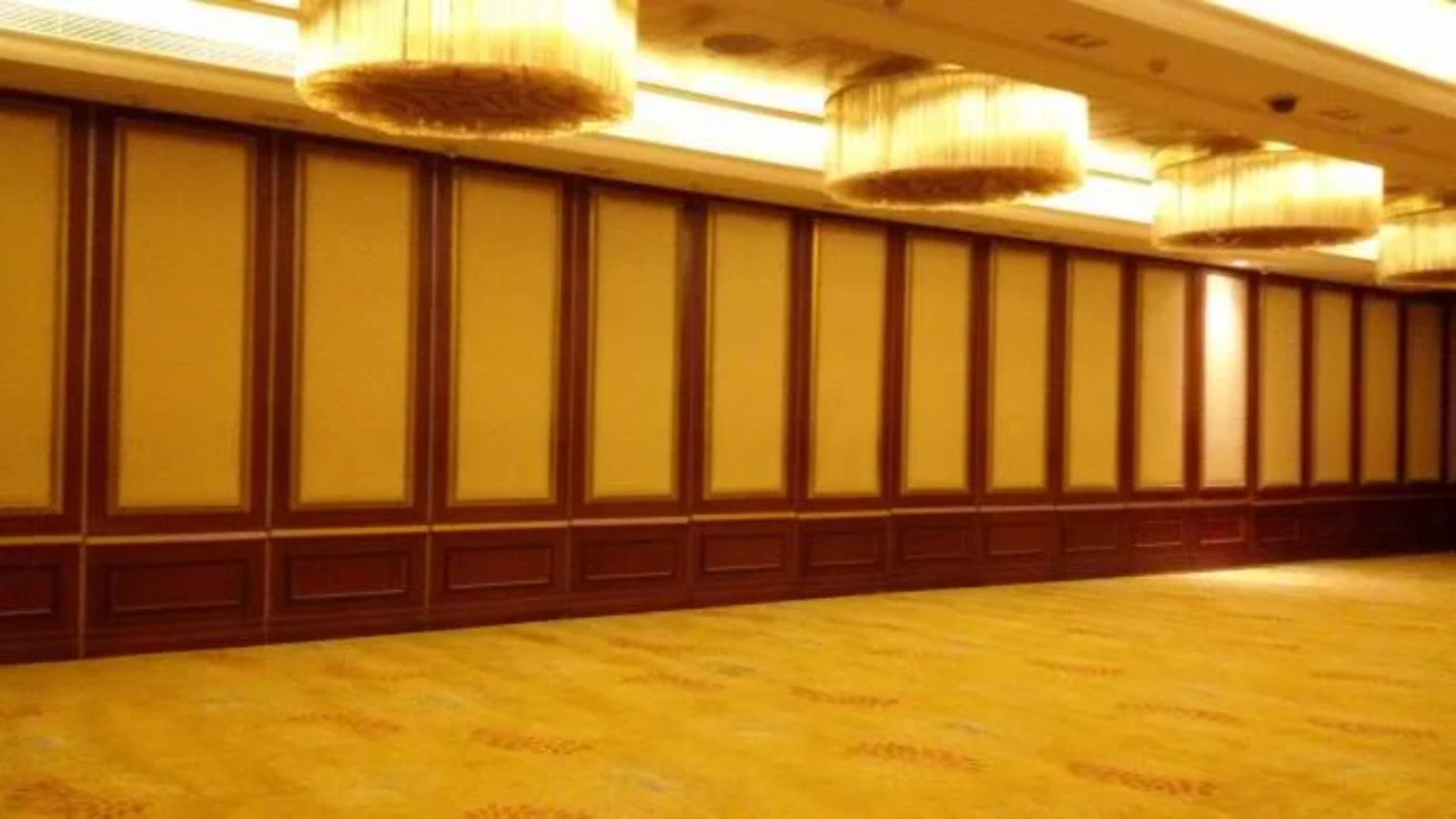
Information to Prepare Before Requesting Samples
Checklist focus: finish sample approval workflow.
Panel handling and the operating sequence must be confirmed for the selected layout and project conditions. The list below is a preparation aid, not a substitute for project-specific confirmation.
- Room names or zones and the intended use of each space.
- Layout drawings showing the opening, turning and stacking routes.
- Any pass-door locations and the way they are expected to operate.
- Finish family preferences and any approved alternatives.
- Reference images or physical samples of adjacent materials.
- Project documentation requirements, including submittal format.
- Target dates for sample review and order release, expressed as project milestones.
Evidence note: A finish sample confirms appearance and surface character. It does not confirm acoustic performance, fire performance, durability, cleaning compatibility or structural capacity. Those items require separate project-specific evidence and written confirmation.
Reviewing Samples Against Project Drawings
Review focus: finish sample approval workflow.
Finish approval should not be separated from the layout review. The same drawings that show the opening also show where panels will park and how they will turn.
The relevant rating, the test configuration and the project conditions must be confirmed for the specific application.
Questions to ask during drawing review
- Do the straight, turning and stacking routes work with the proposed finish and panel format?
- Are pass-door positions and swing or slide clearances shown?
- Has the overhead route been reviewed as continuous and supported for the proposed movement path?
- Are there elevations where the finish will be seen from an unusual angle or distance?
Common Coordination Gaps and How to Close Them
Most finish disputes trace back to a gap between what was shown, what was sampled and what was ordered. A compact comparison helps teams see where the risk sits.
| Stage | Typical gap | Practical control |
|---|---|---|
| Design intent | Finish described only in words | Agree a named finish family and reference |
| Sampling | Sample not representative of the order | Confirm sample reference and format |
| Drawing review | Routes or pass doors not checked | Review straight, turning and stacking routes from the layout |
| Approval | Verbal sign-off | Record approval in writing against the sample reference |
| Release | Order cites a different description | Cite the approved sample reference on order documents |
These controls are administrative. They do not replace engineering review, acoustic confirmation or dimensional verification, which remain project-specific.
Documentation and Sign-Off Discipline
Good documentation makes the approval durable. Keep the approved sample, the approval record and the drawing revision together. Note the date, the participants and any conditions attached to the approval. If a finish is approved subject to a later check, state clearly who will close that check and by when.
Project documentation requirements and pass-door requirements can be discussed with the supplier so that the submittal package matches the project’s expectations. Where a project uses a formal submittal register, align sample references with that register so there is one searchable trail.
Revision control
If the finish changes after approval, treat it as a new approval cycle. A revised sample should receive a new reference, and superseded references should be marked as replaced. This prevents an older sample from being used as the basis for a later order.
Frequently Asked Questions
What is a partition finish sample approval workflow?
It is a controlled sequence for selecting, reviewing and recording the finish for a movable partition order. It links the design intent, a representative sample and the approved order reference so that production and delivery follow one agreed description.
Which finish options can be reviewed through this workflow?
Confirmed finish options include laminate, melamine, fabric, leather, glass and other approved surfaces. The appropriate option depends on the project’s design intent and the conditions in the space, which should be confirmed for the specific application.
Does an approved finish sample confirm acoustic performance?
No. A finish sample confirms appearance and surface character. Acoustic behaviour depends on the complete partition configuration and the project conditions.
How do pass doors and stacking affect finish approval?
Pass-door requirements and stacking positions affect how the elevation is read and how panels are arranged. These should be shown on the layout and reviewed alongside the finish so that the approved sample matches the intended installation.
What should be included in the sample request?
Include room or zone names, layout drawings showing straight, turning and stacking routes, pass-door locations, finish family preferences, reference materials and any project documentation requirements. This helps the supplier respond with a relevant sample package.
When should the finish be approved relative to order release?
Approval should be completed before order release so that production documents cite the approved sample reference. If the finish changes later, a new approval cycle should be completed and the previous reference marked as superseded.
Conclusion and Next Step
A disciplined partition finish sample approval workflow protects the design intent and reduces the risk of a mismatch between what was shown, sampled and ordered. Keep the process evidence-bounded: confirm the finish family, review samples in context, check the layout routes and pass doors, and record the decision in writing.
To discuss finish options, pass-door requirements or project documentation for an acoustic partition wall order, contact the EBUNGE team. You can also review the acoustic partition wall range, explore flexible space solutions, or request a quote with your project details.