
Quick project answer
Review focus: acoustic partition wall tender.
An acoustic partition wall tender review is not a quick read of a specification clause. It is a structured check that the drawings, schedules and performance wording describe the same system. For overseas contractors, architects and renovation teams, the goal is to separate what is clearly stated from what still needs project-specific confirmation. This guide offers an evidence-bounded framework for that review.
Start With the Drawing Set, Not the Specification Alone
Project review term: acoustic partition wall tender.
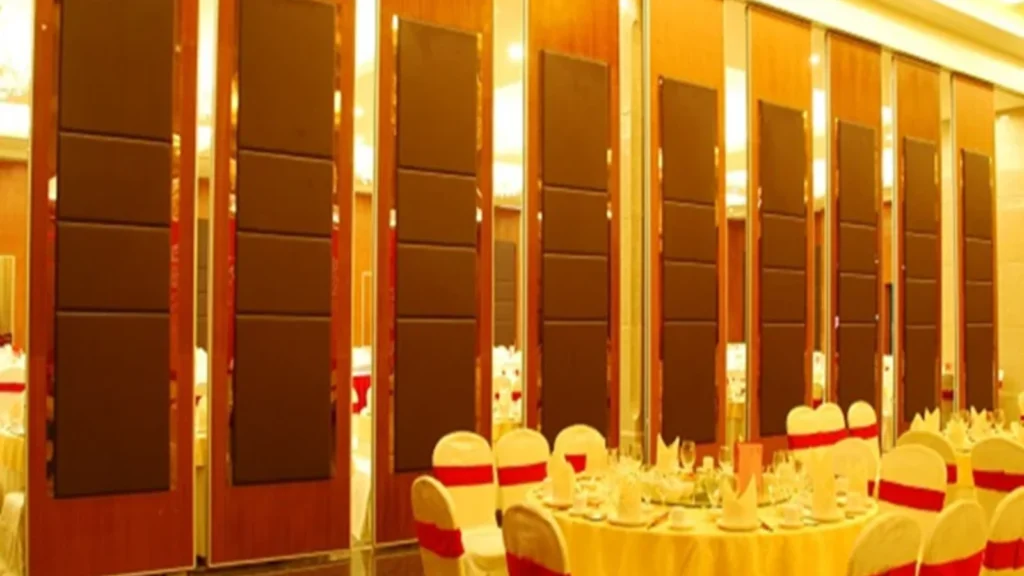
Specifications often describe intent; drawings describe geometry. Review both together. A movable partition is top-hung and travels without a continuous floor track along the partition line. That single fact changes how you read the tender: the overhead route, support condition and parking position become central, not secondary.
Check whether the tender includes a reflected ceiling plan, a partition elevation, a stacking plan and a clear indication of the opening. If any of these are missing, note it as a query rather than assuming a standard detail. The layout review should confirm straight, turning and stacking routes before commercial evaluation.
What to Mark on the Drawings
- The suitability of each route and parking arrangement depends on the approved layout, circulation, ceiling interfaces and operating sequence.
- Overhead route from the closed position to the planned parking position.
- Any turning point where the panel path changes direction.
- Stacking area dimensions and its relationship to adjacent doors, services or finishes.
- Interface points with ceilings, columns, walls and existing structure.
Confirm the Movement and Parking Concept
Coordination scope: acoustic partition wall tender.
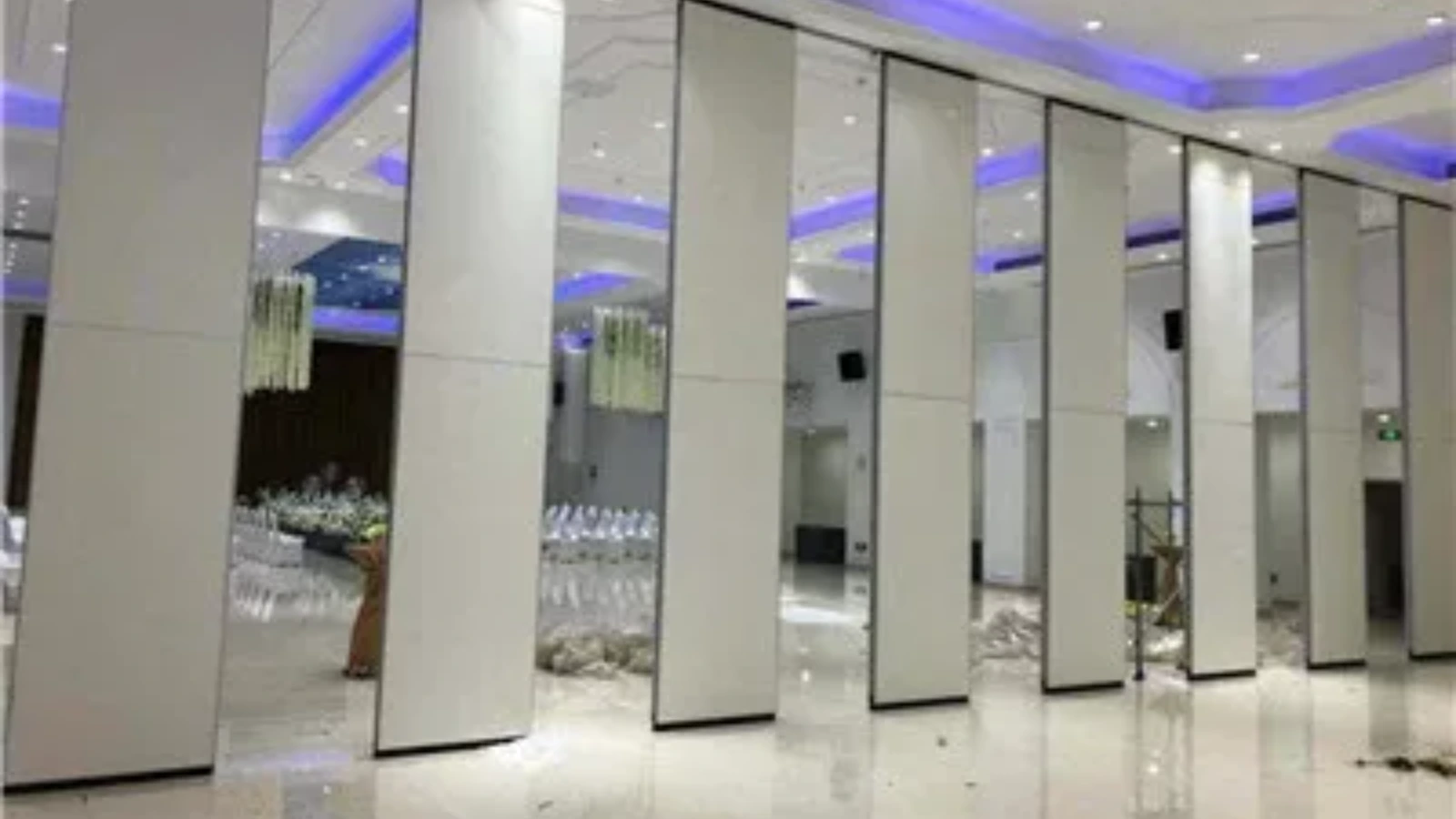
Panels are individually movable and suspended from a top track. They cross the opening without a floor track, then park at a planned stacking position. This is a maintained product fact, not a performance claim. The tender should show that the proposed route is continuous and connected overhead.
Questions for the Route Review
- Does the overhead route remain connected from the closed position to the parking position?
- Is the parking position shown on plan, and does it conflict with other trades?
- Are turning routes drawn where the partition changes direction?
- Has the structural support condition been identified for project-specific review?
- Are pass-door requirements noted, since these can affect panel layout and access?
Read Acoustic Wording Carefully
Instead, ask what evidence supports the stated rating and whether it applies to the exact configuration being tendered. If the tender uses vague phrases such as acoustic partition without a defined rating or test reference, raise a clarification. Confirm project-specific acoustic requirements with the responsible design professional.
Evidence Note: What a Tender Should Clarify
Separate three things in writing: the acoustic rating target, the evidence that supports it for the proposed assembly, and the site conditions that must be verified. If any of the three is missing, the tender is not yet complete for evaluation.
Check Finish Schedules Against Approved Options
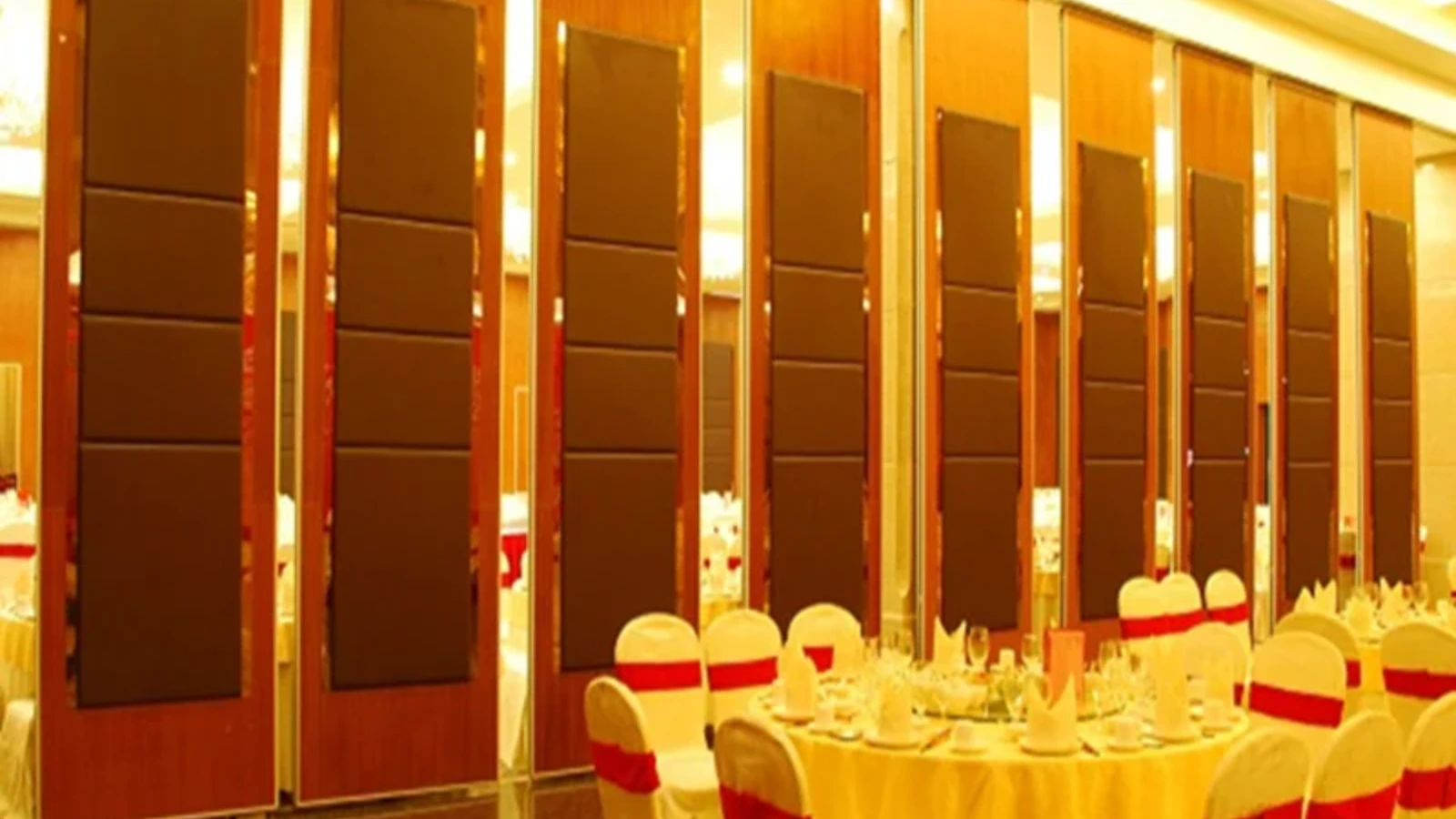
Finish choices affect appearance, maintenance expectations and coordination with other trades. Confirmed finish options include laminate, melamine, fabric, leather, glass and other approved surfaces. The tender should list the finish for each partition type or room, not a generic note.
A laminate finish and a fabric finish may look similar on a schedule but behave differently in use. Ask for finish samples or approved references where the design intent matters.
Compact Comparison: Tender Detail vs. Review Action
| Tender detail | Review action |
|---|---|
| Generic acoustic clause | Request the rating target and supporting evidence for the proposed assembly. |
| Finish named only | Confirm the finish per room and request samples where appearance matters. |
| Parking area shown | Check dimensions, access and conflicts with adjacent trades. |
| Pass-door noted | Confirm location, swing and how it interacts with panel layout. |
Coordinate Procurement and Tender Review
Contractors, architects and owners often review different sections, so comments can conflict. A single log keeps drawing queries, specification clarifications and finish approvals in one place.
Set a review sequence: drawings first, then routes and stacking, then acoustic wording, then finishes, then documentation. This order prevents a finish decision from being made before the movement concept is confirmed. It also gives the estimating team a clear basis for pricing assumptions.
Documentation to Request
- Layout drawings showing the opening, route and parking position.
- Finish schedule with approved options and room references.
- Pass-door requirements and their effect on the layout.
- Any project-specific support, acoustic and dimensional requirements.
- Clarification of terms that are not defined in the tender.
Build a Query Log Before Pricing
A query log is not a sign of weakness. It is evidence that the tender has been reviewed properly. Record each question, the drawing or clause it relates to, and the response. This protects the project from assumptions that later become variations.
For an acoustic partition wall tender review specification, the log should capture every place where performance, support or dimensions are stated without a clear basis. If a clause cannot be verified, mark it as open. Do not fill the gap with a default assumption.
Decision Checklist for Reviewers
- Are the opening, route and parking position shown on the same drawing set?
- Is the overhead route continuous and connected?
- Are acoustic ratings linked to evidence for the proposed assembly?
- Are finishes listed per room and matched to approved options?
- Are pass-door requirements and project documentation discussed?
- Are support, acoustic and dimensional requirements confirmed as project-specific?
FAQ: Acoustic Partition Wall Tender Review

What is the first thing to check in an acoustic partition wall tender review?
Start with the drawing set. Confirm the opening, the overhead route and the planned parking position. If these are not clearly shown, the specification cannot be evaluated reliably.
Do movable partitions need a floor track?
No. EBUNGE movable partition panels are top-hung and cross the opening without a continuous floor running track or floor hardware along the partition line. The overhead route still requires project-specific support review.
Can I treat an STC or Rw figure as a guaranteed result?
No. Confirm project-specific acoustic requirements with the responsible professional.
What finish information should the tender include?
The tender should list the finish for each partition type or room. Confirmed options include laminate, melamine, fabric, leather, glass and other approved surfaces. Request samples where appearance matters.
How should pass doors be handled in the review?
Pass-door requirements can be discussed as part of the layout review. Their location and swing may affect panel layout, so they should be shown on the drawings rather than added later.
When should a contractor raise a clarification?
Raise a clarification whenever performance, support or dimensions are stated without a clear basis. Record it in the query log and keep it open until a written response is received.
Conclusion: Review, Clarify, Then Price
A disciplined acoustic partition wall tender review protects the project from assumptions. Check the drawings, confirm the movement and parking concept, read acoustic wording as a rating concept rather than a guarantee, and match finishes to approved options. Where information is missing, ask rather than infer.
For project-specific support, acoustic and dimensional requirements, confirm the details with the responsible design team. To discuss your tender documents or request a quote, contact us or request a quote. You can also review the acoustic partition wall range and explore solutions for flexible space.