

Quick answer: partition tender submission
Review focus: partition tender submission.
A partition tender submission comparison is rarely a simple price exercise. When movable walls are involved, the lowest headline number can hide differences in scope, documentation, route planning and project-specific confirmations. The suitability of each route and parking arrangement depends on the approved layout, circulation, ceiling interfaces and operating sequence. This guide sets out a structured, evidence-bounded approach to comparing submissions without defaulting to lowest price.
Why Lowest-Price Bias Distorts Movable Partition Comparisons
Project review term: partition tender submission.
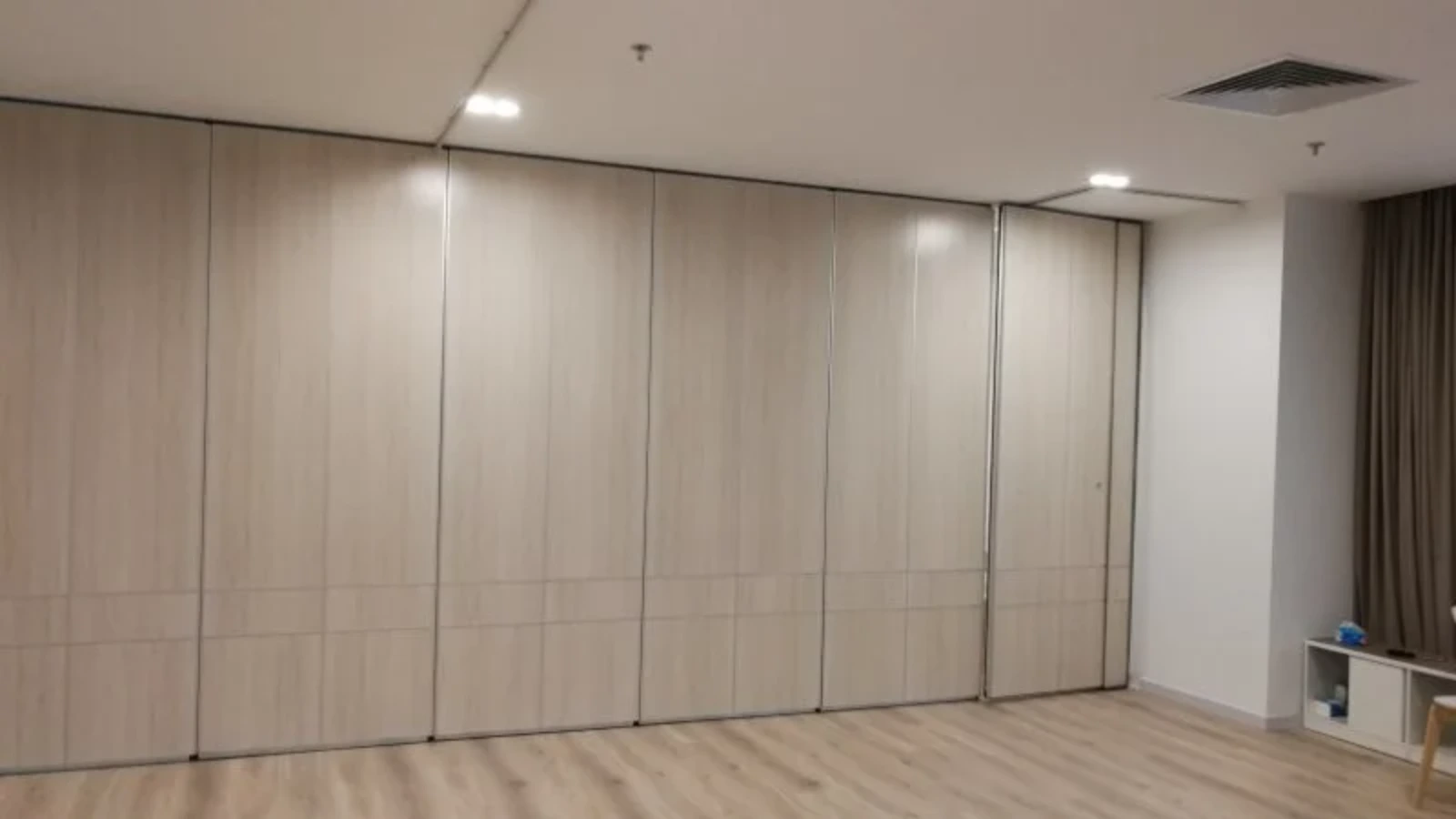
Movable partition panels are individually movable, suspended from a top track, cross the opening without a floor track, and park at a planned stacking position. That operating concept already tells you that a submission cannot be judged on panel price alone. The top track, the straight, turning and stacking routes, the parking area and the interface with the surrounding structure all influence whether a proposal is complete.
A low bid may simply exclude items that another bidder has allowed for. None of those differences are automatically wrong, but they must be visible before you compare totals. If the scope is not aligned, the price comparison is not meaningful.
Start With a Common Scope Baseline
Coordination scope: partition tender submission.
Before opening the pricing pages, agree a common scope baseline with your evaluation team. This baseline should describe what every tenderer is expected to price, regardless of their commercial approach. It does not need to be a full specification, but it should prevent silent exclusions.
Scope items to align before scoring
- Panel quantity, nominal dimensions and the opening or openings to be served.
- Finish direction: laminate, melamine, fabric, leather, glass or another approved surface.
- Route review: straight, turning and stacking paths shown on the layout.
- Parking position and any space reserved for stacked panels.
- Pass-door requirements, if the project needs a door within the partition run.
- Project documentation expected with the submission, such as drawings, schedules and confirmation notes.
- Site interface items that remain the responsibility of others.
Once this baseline is fixed, ask each tenderer to confirm compliance or state deviations in writing. That single step removes much of the ambiguity that drives lowest-price bias.
Build a Comparison Matrix That Separates Facts From Assumptions
Checklist focus: partition tender submission.
A comparison matrix should not reward confident wording. It should reward clarity about what is confirmed, what is proposed and what still needs project-specific review. Use a simple structure that separates these categories.
| Evaluation area | What to look for | Evidence boundary |
|---|---|---|
| Scope completeness | All baseline items addressed or deviations stated | Written confirmation in the submission |
| Route and parking | Straight, turning and stacking routes reviewed from the layout | Layout review; no assumption of untracked travel |
| Finish selection | Finish option named and approved surface confirmed | Finish sample or approved reference, not a photograph alone |
| Acoustic concept | STC or Rw discussed as a rating concept, not a direct decibel count | Project-specific acoustic requirement to be confirmed |
| Documentation | Drawings, schedules and pass-door notes included | Submission content; missing items flagged |
| Commercial clarity | Exclusions, assumptions and allowances visible | No inference of hidden performance or cost |
This matrix keeps the discussion on evidence. It also helps non-technical stakeholders understand why two submissions with different totals may not be offering the same thing.
Review Routes, Parking and Structural Interfaces
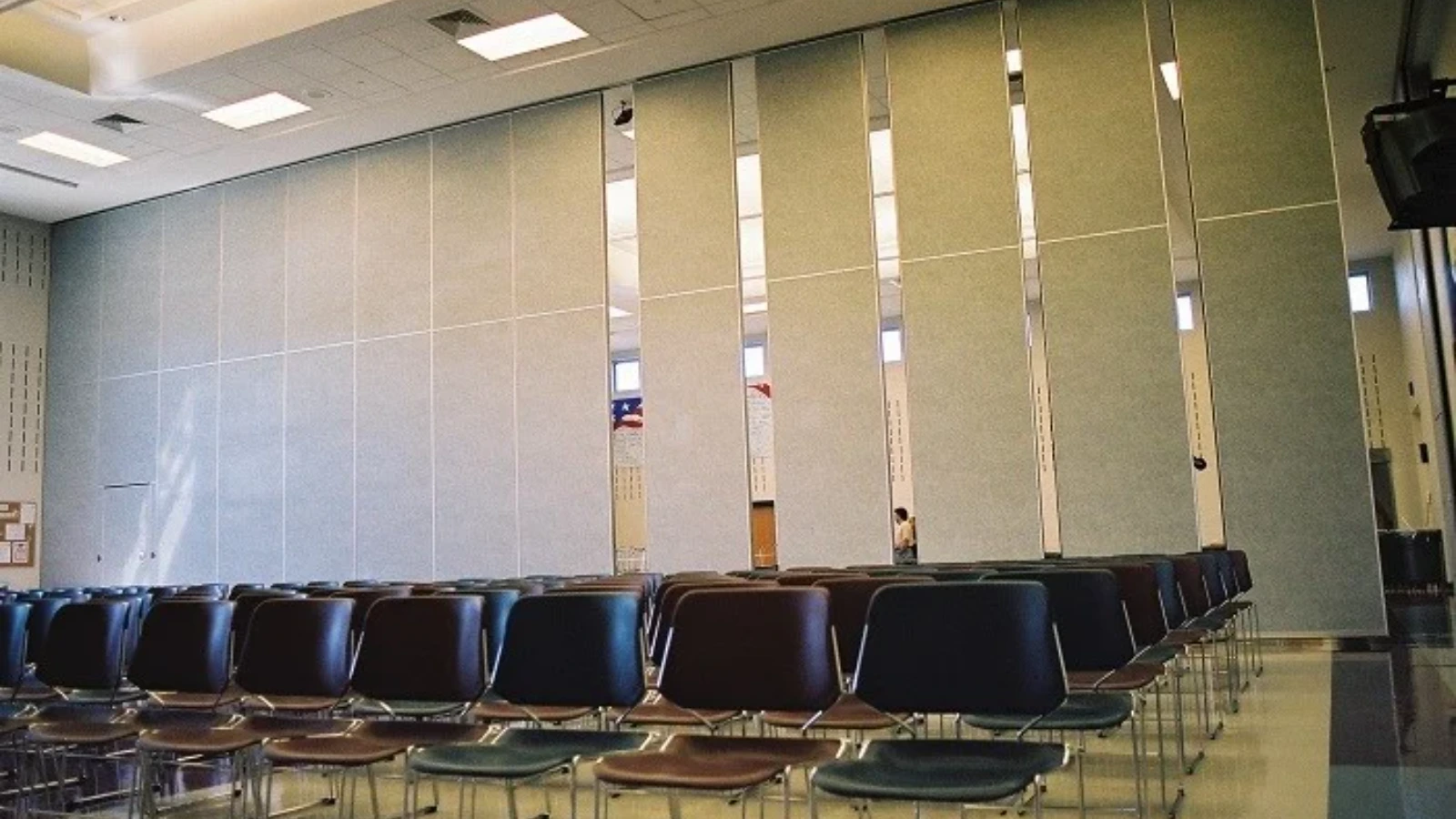
The movement path is one of the most common sources of misunderstanding in movable partition tenders. Panels travel along a continuous connected overhead route. The exact route, junction arrangement, continuous overhead path and parking position must be confirmed from the coordinated project drawings. Every proposed straight run, turn and stacking position must be reviewed against the layout and the supporting structure.
Questions to ask each tenderer
- Does the proposed route follow the layout without requiring panels to cross an unsupported opening?
- Is the parking position shown, and does it fit the planned stacking arrangement?
- Are turning points identified where the route changes direction?
- Has the interface with the surrounding structure been noted for project-specific support review?
- Are any assumptions about the route stated clearly rather than left implicit?
These questions do not require you to invent engineering conclusions. They simply require each submission to be transparent about what has been reviewed and what remains subject to confirmation.
Treat Acoustic and Performance Statements Carefully
If a submission mentions acoustic ratings, ask what project-specific requirement it is responding to and what documentation supports the statement. Visible references can support layout discussion but do not verify hidden construction or performance.
Score Evidence, Not Confidence
A fair partition tender submission comparison gives credit for evidence.
Evidence note: comparative, absolute or causal statements about performance, durability, cost or outcomes require corresponding evidence. If evidence is not available, the statement should be removed or replaced with an exact project-specific confirmation boundary.
This principle applies to finishes as well. Keep the evaluation focused on what the submission actually demonstrates.
Coordinate Procurement and Tender Review Across Disciplines
A submission may look complete to a buyer but leave a route question unresolved for the architect, or a parking question unresolved for the contractor.
Hold one clarification round where every tenderer can respond to the same written questions. Record the answers and use them to update the comparison matrix. This reduces the risk that a low bid wins simply because it left more questions unanswered.
Frequently Asked Questions
What is the first step in a partition tender submission comparison?
Agree a common scope baseline before opening prices. Align panel quantities, finish direction, route and parking expectations, pass-door requirements and the documentation you expect. Then ask each tenderer to confirm compliance or state deviations in writing.
How should I compare movable partition submissions when prices differ significantly?
Check whether the submissions cover the same scope. Differences often come from route assumptions, parking arrangements, finish choices or excluded documentation. Compare the confirmed scope first, then compare commercial totals on a like-for-like basis.
Can I rely on an acoustic rating stated in a tender submission?
Ask what project-specific requirement the rating responds to and what documentation supports it. Confirm acoustic requirements with the relevant specialists for your project.
Do movable partitions need a floor track?
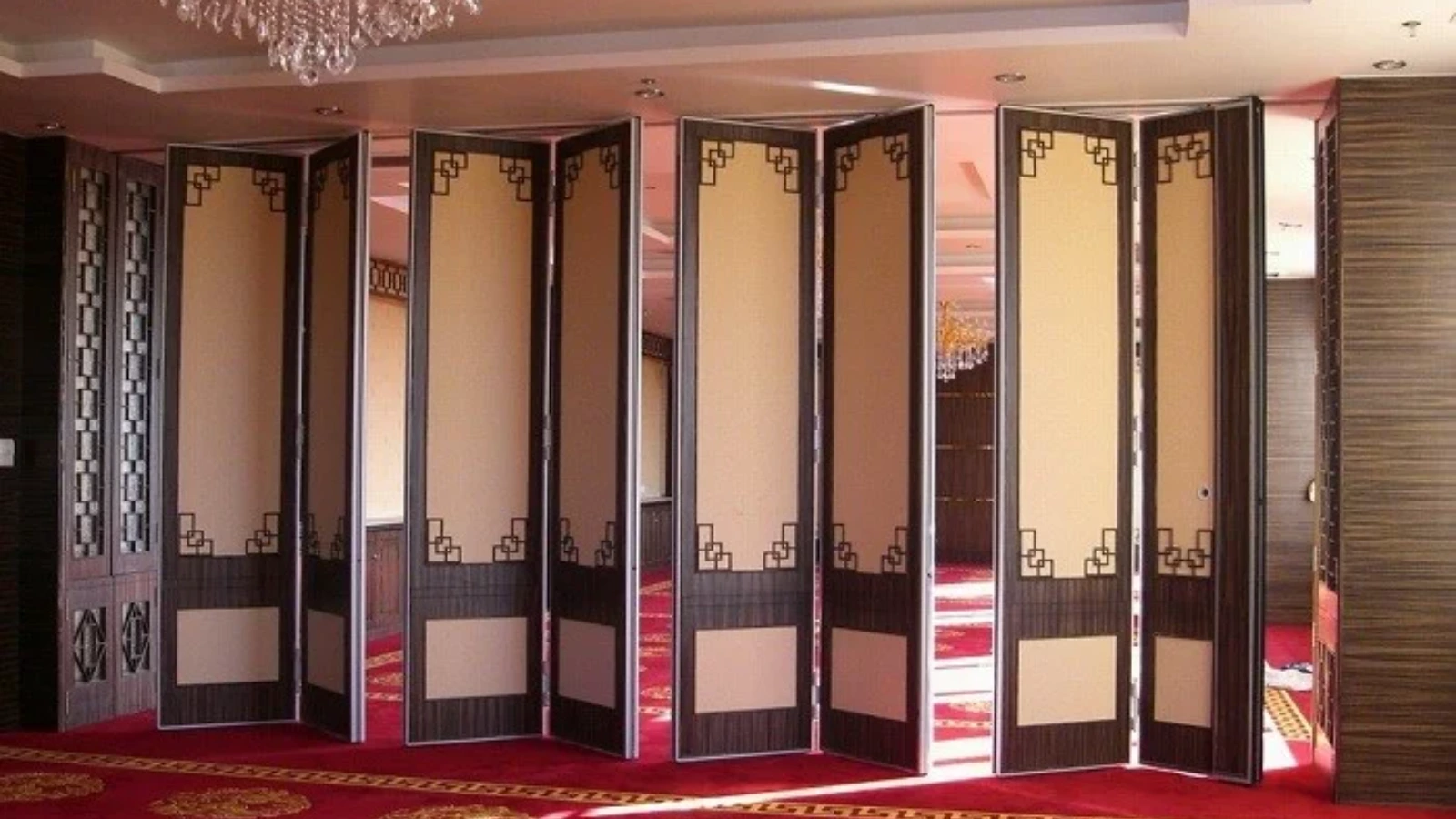
EBUNGE movable partition panels are top-hung and move without a continuous floor running track or floor hardware along the partition line. The panels cross the opening suspended from the top track and park at a planned stacking position.
What documentation should I request with each submission?
Request layout drawings showing the straight, turning and stacking routes, the proposed parking position, finish references, pass-door notes if required, and written confirmation of any assumptions or exclusions. The exact documentation depends on your project stage and procurement rules.
How do I avoid lowest-price bias in the final decision?
Score evidence and scope completeness alongside price.
Conclusion: Compare on Fit, Evidence and Confirmed Scope
For movable partition requirements, you can review the movable partition walls range, explore flexible space solutions, or contact us to discuss pass-door requirements and project documentation. When you are ready to compare options, request a quote with your layout and scope notes so the discussion starts from confirmed project information.