
Quick answer: partition tender bill
Review focus: partition tender bill.
A partition tender bill of quantities review is not a line-by-line price check. It is a scope check. The bill can look complete while still leaving the moving partition package open to interpretation. Gaps usually sit in interfaces: who confirms the overhead route, where panels park, how finishes are described, and what documentation the tender expects. This guide gives project teams a repeatable way to detect those gaps before pricing closes.
Use it alongside the drawings, specification and schedule. Where information is missing, mark it as a query rather than filling it with an assumption. For product context, see the movable partition walls range.
Start With the Movement Story, Not the Panel Count
Project review term: partition tender bill.
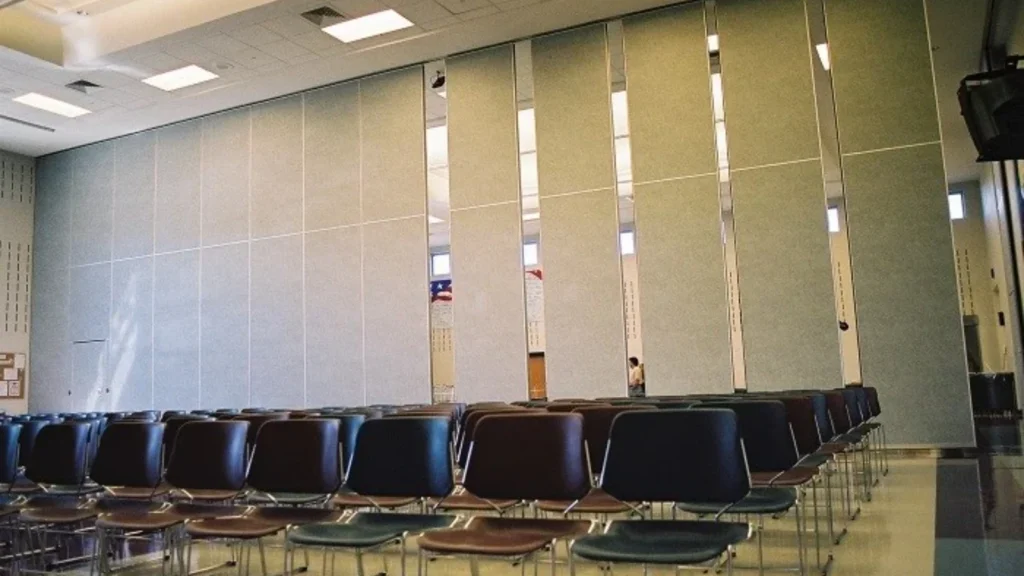
A bill of quantities often counts panels and tracks. That is not the same as describing how the room will operate. A movable partition is top-hung, travels below a top track, crosses the opening without a floor track, and parks at a planned stacking position. If the bill does not describe that movement story, the tender is incomplete.
Questions that expose route gaps
- Does the bill state the straight, turning and stacking routes, or only the finished opening?
- Is the parking position shown on a plan, or left to the contractor to guess?
- Does the overhead route remain continuous across every proposed movement path?
- Are adjacent services, structure or finishes shown as constraints on the route?
These are scope questions, not performance claims. They help the team see whether the tender describes a workable arrangement or only a product category.
Check the Bill Against the Layout Drawings
Coordination scope: partition tender bill.
The layout is the primary evidence for a partition tender bill of quantities review. Compare every bill line with the plan, elevation and reflected ceiling information. If a line cannot be traced to a drawing or a written requirement, treat it as a potential gap.
Trace each line to a source
- Mark the opening or room the line serves.
- Mark the route the panels follow when open and when parked.
- Mark the parking position and any adjacent obstruction.
- Mark the finish required on each visible face.
- Mark the documentation the tender expects with the line.
Lines that survive this trace are usually well scoped. Lines that do not are the ones to query before award.
Interfaces Are Where Most Gaps Hide
Checklist focus: partition tender bill.
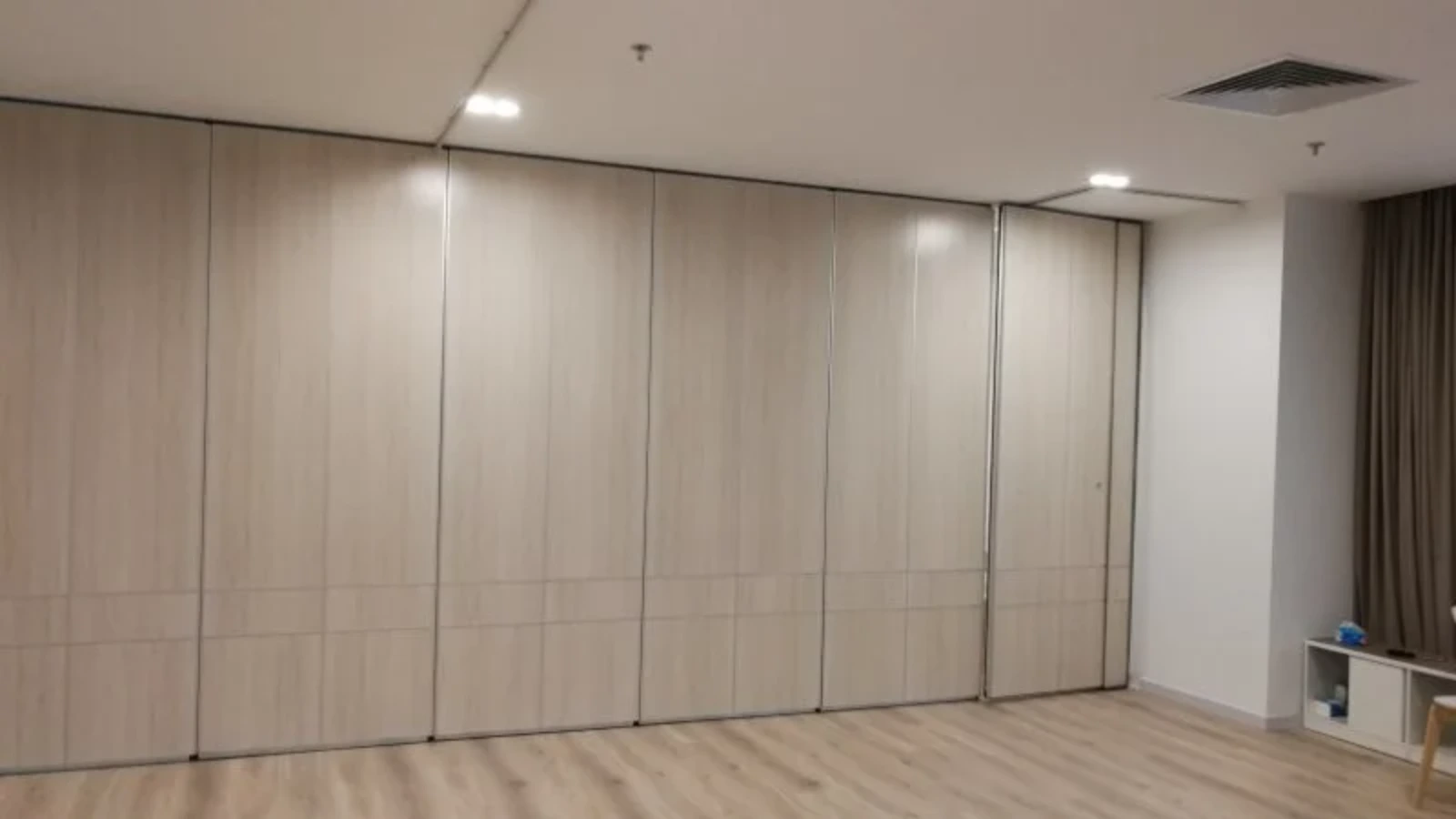
Partition packages sit between structure, ceilings, floors, finishes and other trades. A bill can list the partition but stay silent on who confirms the supporting condition above. That silence becomes a commercial risk later.
Interface checklist
| Interface | What the bill should say | Common gap |
|---|---|---|
| Overhead support | Who confirms the supporting condition and route | Assumed by others |
| Floor | Clear floor along the partition line | Floor track assumed |
| Parking | Where panels stack and what is nearby | Position not shown |
| Finishes | Which faces and which approved surface | Generic finish note |
| Documentation | What is submitted and when | Not listed |
This table is a review aid. It does not replace project-specific support, acoustic or dimensional confirmation.
Read the Finish and Acoustic Wording Carefully
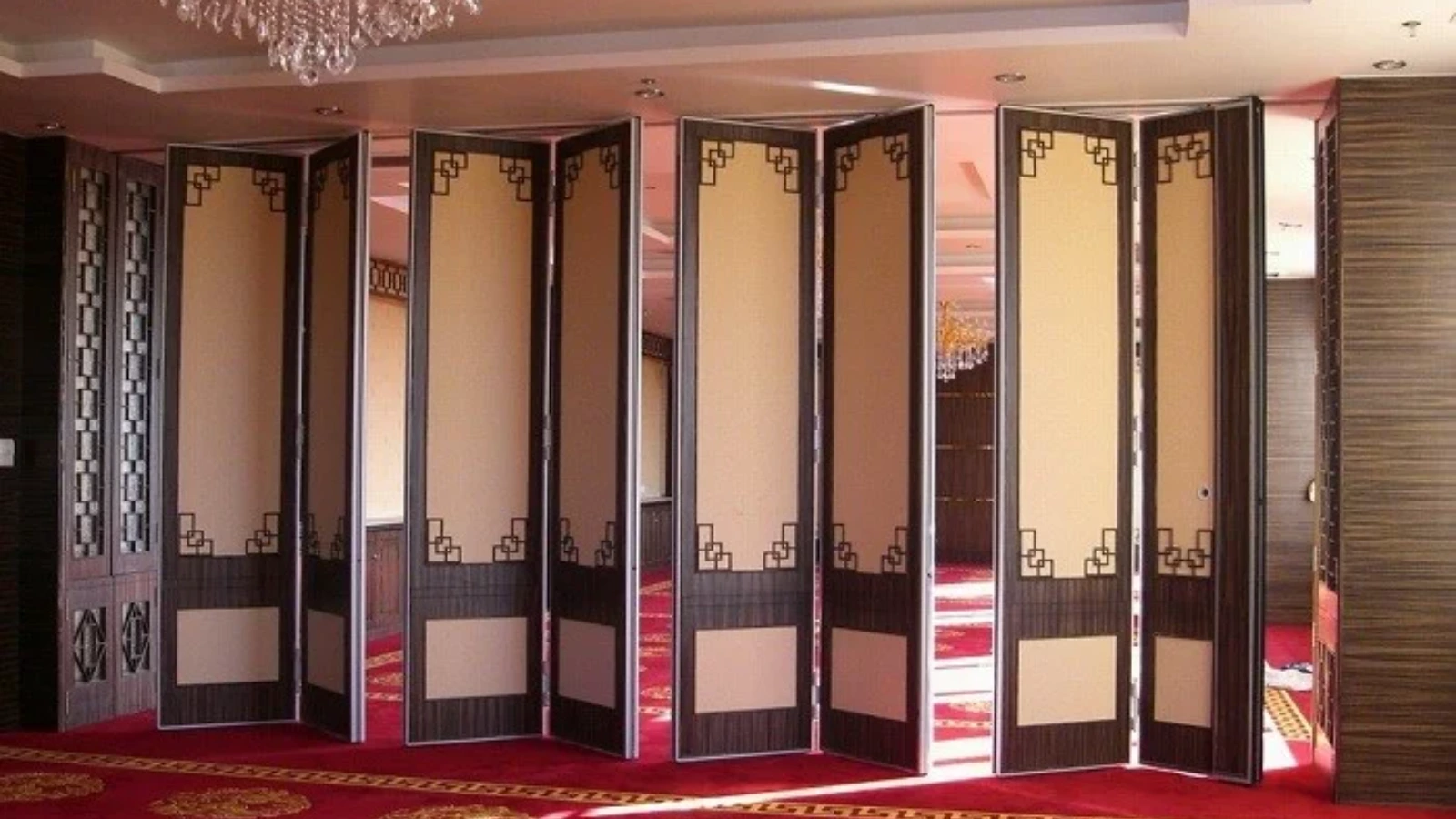
Finish wording is a frequent source of scope drift. Confirmed finish options include laminate, melamine, fabric, leather, glass and other approved surfaces. If the bill says only “decorative finish”, the tender is open to different interpretations.
Acoustic wording
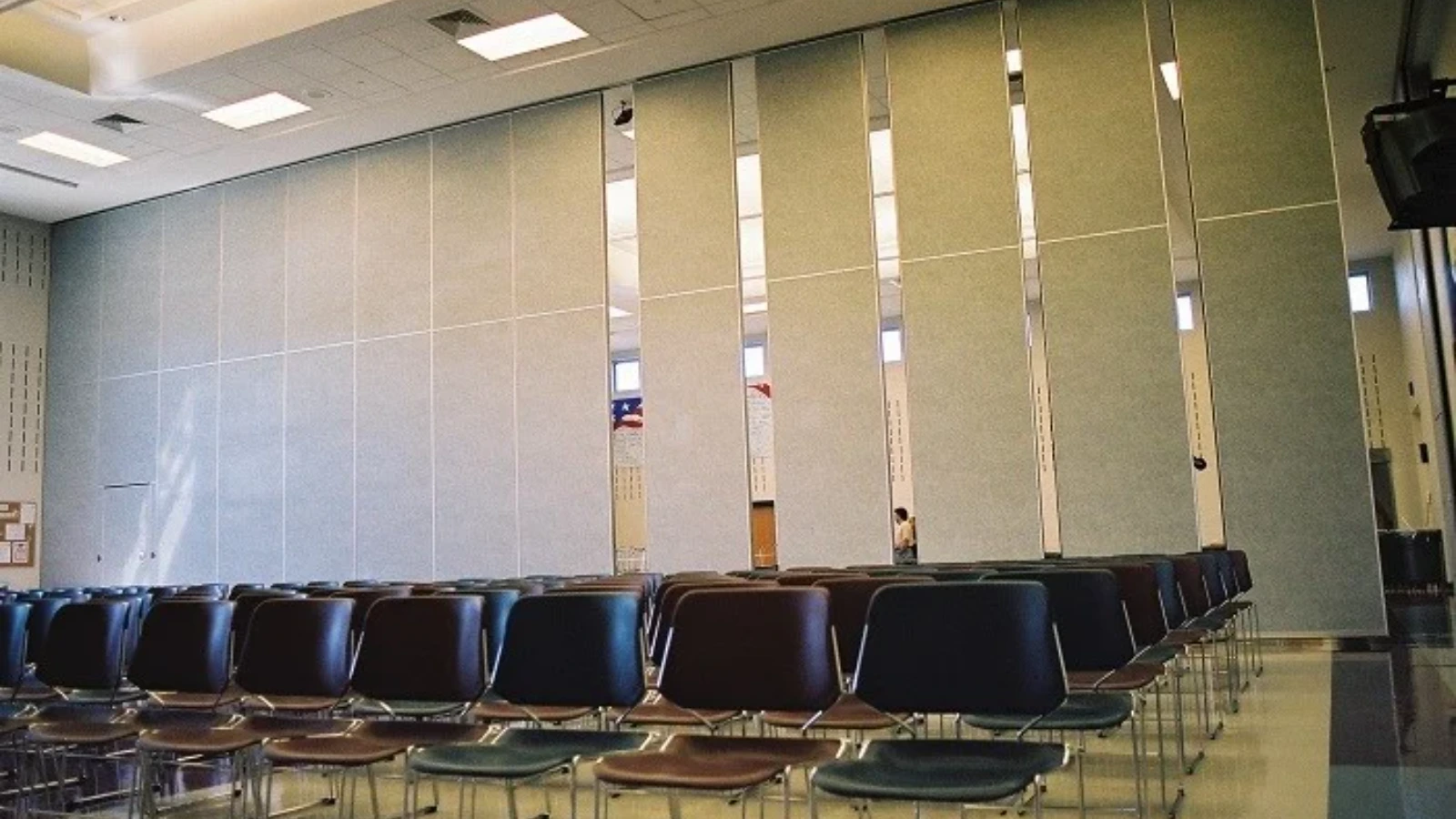
The suitability of each route and parking arrangement depends on the approved layout, circulation, ceiling interfaces and operating sequence. Where acoustic requirements appear, the bill should point to the project-specific confirmation route rather than a generic label.
Finish wording
- Name the surface family for each visible face.
- State whether faces differ between sides.
- State whether pass-door requirements are included.
- State what finish samples or approvals are expected.
Use an Evidence Note Before You Price
Evidence note: a bill line is only as strong as the drawing, specification or written requirement behind it. If the source is missing, the correct action is a tender query, not an assumed rate.
This discipline keeps the project solutions discussion grounded. It also protects the pricing team from carrying risk that belongs to an unresolved design decision.
Run a Structured Scope Gap Review
A short structured review is more reliable than a general read-through. Assign one reviewer to the bill and one to the drawings, then compare notes.
Review sequence
- Confirm the movement routes and parking position are described.
- Confirm the overhead route is continuous and its support is assigned.
- Confirm the floor is clear along the partition line.
- Confirm finishes, pass-door requirements and documentation are listed.
- Confirm acoustic and dimensional requirements have a confirmation route.
- Log every gap as a query with a named owner.
Where the bill and drawings disagree, record both positions. Do not resolve the difference by choosing the cheaper interpretation.
Documentation Gaps Are Scope Gaps
Some gaps are not about hardware at all. They concern what the tender expects the supplier to submit. Project documentation can be discussed with the supplier, but the bill should say what is required.
Documentation prompts
- Are shop or coordination drawings required?
- Are finish approvals required before order?
- Are pass-door requirements described?
- Is a site measurement stage expected?
- Is a handover or closeout list expected?
If these items are absent, the tender may still proceed, but the team should know the gap exists.
Frequently Asked Questions
What is a partition tender bill of quantities review?
It is a structured check that compares the bill of quantities with the drawings, specification and movement requirements to find missing or ambiguous scope before pricing and award.
Why do scope gaps appear in partition bills?
They usually appear at interfaces: overhead support, parking position, floor condition, finishes, pass-door requirements and documentation. These items are often assumed rather than written.
Does a movable partition need a floor track?
EBUNGE movable partition panels are top-hung and move without a continuous floor running track or floor hardware along the partition line. The overhead route still requires project-specific support review.
Can the bill rely on a generic acoustic label?
No.
What should we do when a bill line has no drawing source?
Raise a tender query. Record the missing source, the affected line and the party who should confirm it. Do not fill the gap with an assumed rate or an assumed product configuration.
Can parking be confirmed from the bill alone?
Parking style is customized to the customer layout and project requirements. The bill should be read together with the layout drawings and any stacking position shown there.
Conclusion and Next Step
Check the movement story, trace each line to a drawing, test the interfaces, and log every gap as a query.
The exact overhead route and support arrangement must be confirmed by the responsible project team from coordinated drawings. To discuss your layout, pass-door requirements and documentation expectations, contact the EBUNGE team or request a quote.