
Quick answer: partition finish sample
Review focus: partition finish sample.
Partition finish sample sign-off is the moment a project team stops discussing a finish in the abstract and confirms a physical reference for bulk production. On movable partition projects, that reference usually travels through several hands: the designer who specified the look, the contractor who owns site delivery, the owner or operator who will live with the space, and the supplier who will produce the panels. The purpose is not to create a new approval bureaucracy. It is to make sure the approved surface, the approved sample, and the approved drawing describe the same thing before panels are made.
Why finish sample sign-off matters on movable partitions
Project review term: partition finish sample.
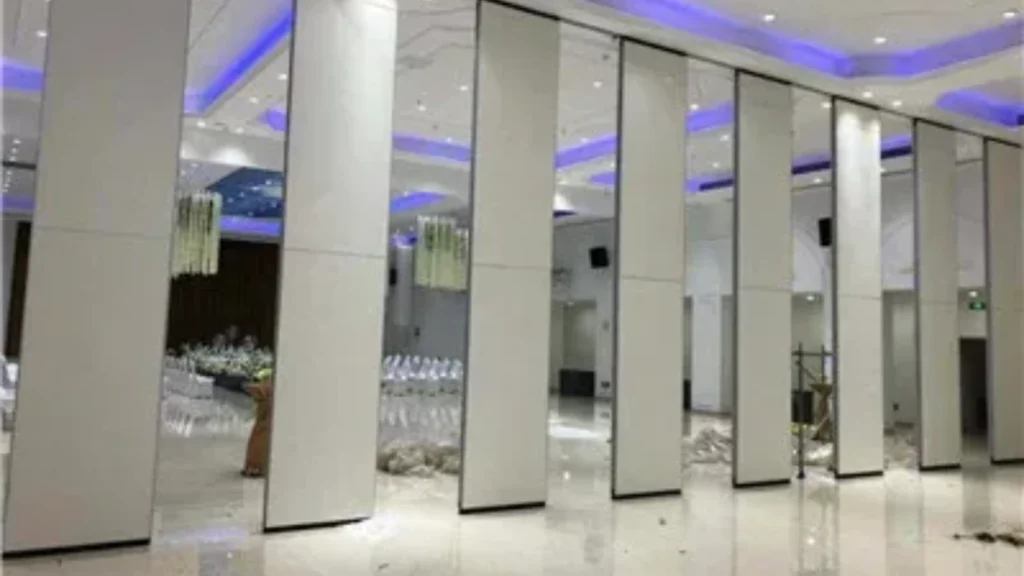
Movable wall panels are individually movable, suspended from a top track, cross the opening without a floor track, and park at a planned stacking position. Because the panels are handled and stored, the finish is not only a visual decision. It is part of how the partition will be identified, protected, and maintained in daily use. A signed sample gives everyone a common reference when panels arrive on site.
Finish sample sign-off also protects the project schedule. If a laminate, melamine, fabric, leather, glass or other approved surface is questioned after production begins, the team may face rework, delay, or a difficult commercial conversation. A clear approval record reduces that risk without promising any particular outcome.
Who is normally involved in the approval chain
Coordination scope: partition finish sample.
The exact sign-off authority depends on the contract and the project delivery model. On many overseas projects, the following roles appear in the chain. Treat this as a coordination map, not a rule that overrides your contract.
- Architect or interior designer: confirms that the sample matches the design intent and the specified finish category.
- Main contractor or renovation company: confirms that the sample is practical for the site, the installation sequence, and the agreed handover process.
- Owner or operator: confirms that the appearance and maintenance expectations fit the intended use of the space.
- Supplier or manufacturer: confirms that the approved sample can be referenced for bulk production and that any project-specific requirements have been reviewed.
- Distributor or local representative: helps coordinate communication, documentation, and sample logistics where applicable.
In some projects one person holds several of these roles. In others, a separate approval authority such as a project manager or client representative signs. The important point is that the sign-off authority is named in writing before bulk production starts.
What the sample should represent
Checklist focus: partition finish sample.
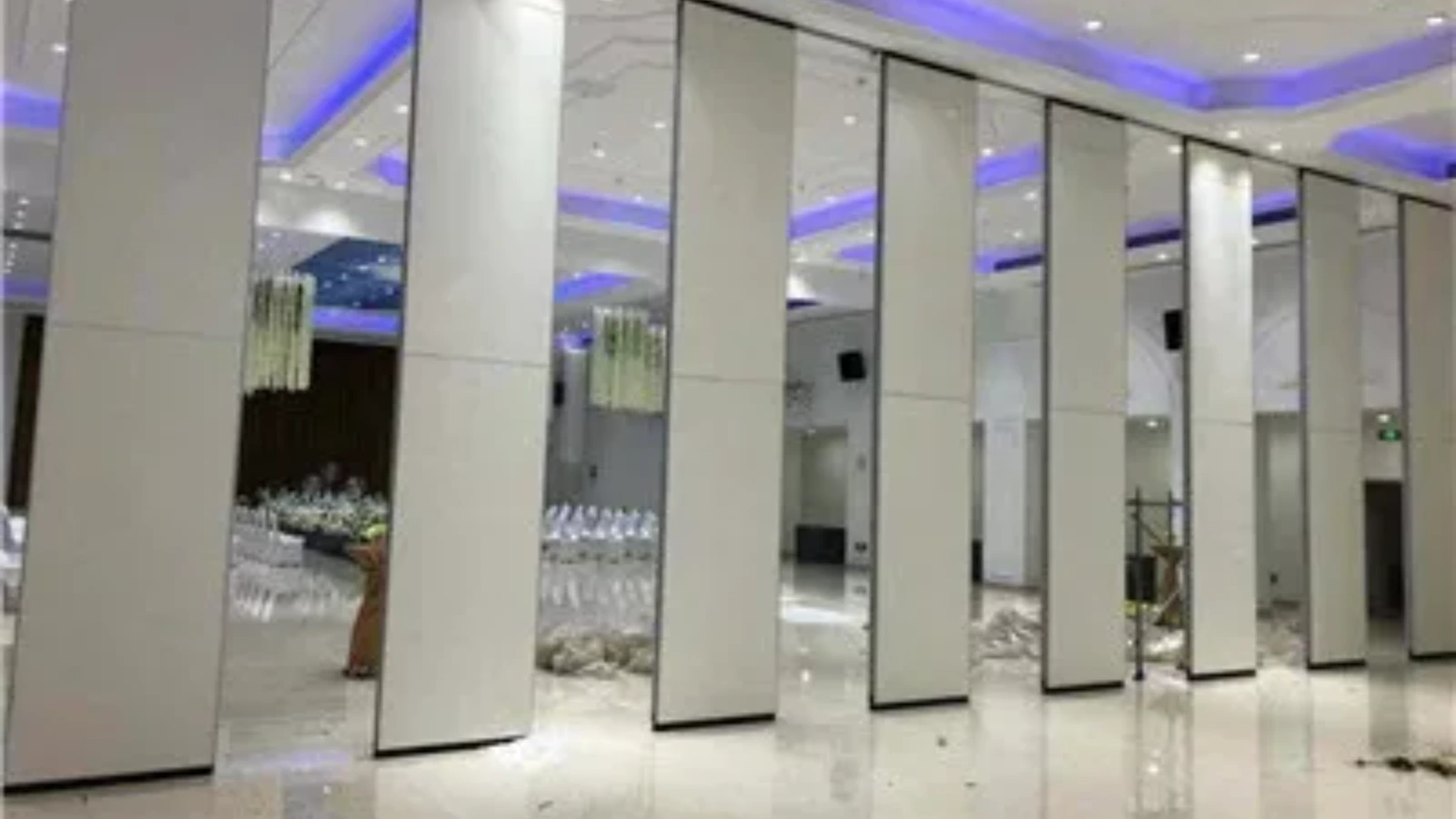
A finish sample is a reference, not a performance certificate. It can show color, texture, pattern direction, sheen, and the general appearance of an approved surface. The suitability of each route and parking arrangement depends on the approved layout, circulation, ceiling interfaces and operating sequence. Those topics require their own project-specific evidence and review.
For movable partitions, the sample should be considered alongside the layout. Straight, turning and stacking routes are reviewed from the layout, and the finish should be checked against the visible panel faces and edges that will be seen in each position. If a pass-door is required, that requirement should be discussed with the supplier and reflected in the project documentation.
A practical sign-off sequence
Review focus: partition finish sample.
The following sequence is a coordination aid. Adapt it to your contract, approval workflow, and project-specific requirements.
- Confirm the finish specification. Identify the approved finish category and any project-specific requirements in the drawings or specification.
- Request the physical sample. Ask the supplier to provide a sample that represents the proposed finish for the project.
- Review under real conditions. Where possible, review the sample in the actual lighting and viewing conditions of the space.
- Check against the layout. Confirm that the finish is being reviewed for the correct panel faces, edges, and stacking positions.
- Record comments and revisions. Note any requested changes, substitutions, or clarifications in writing.
- Obtain the authorized signature. The named sign-off authority approves the final sample and the associated reference documents.
- Distribute the approved record. Send the signed sample record to all parties who need it before bulk production begins.
Evidence note: what a signed sample does and does not prove
Project review term: partition finish sample.
Evidence boundary: A signed finish sample confirms appearance and reference alignment.
This boundary matters because finish approval and acoustic approval are often separate conversations. A project may approve a fabric finish for appearance while still needing to confirm the acoustic requirements for the room, the partition configuration, and the supporting structure. Those confirmations belong in the project documentation, not in the sample signature alone.
Common coordination gaps to avoid
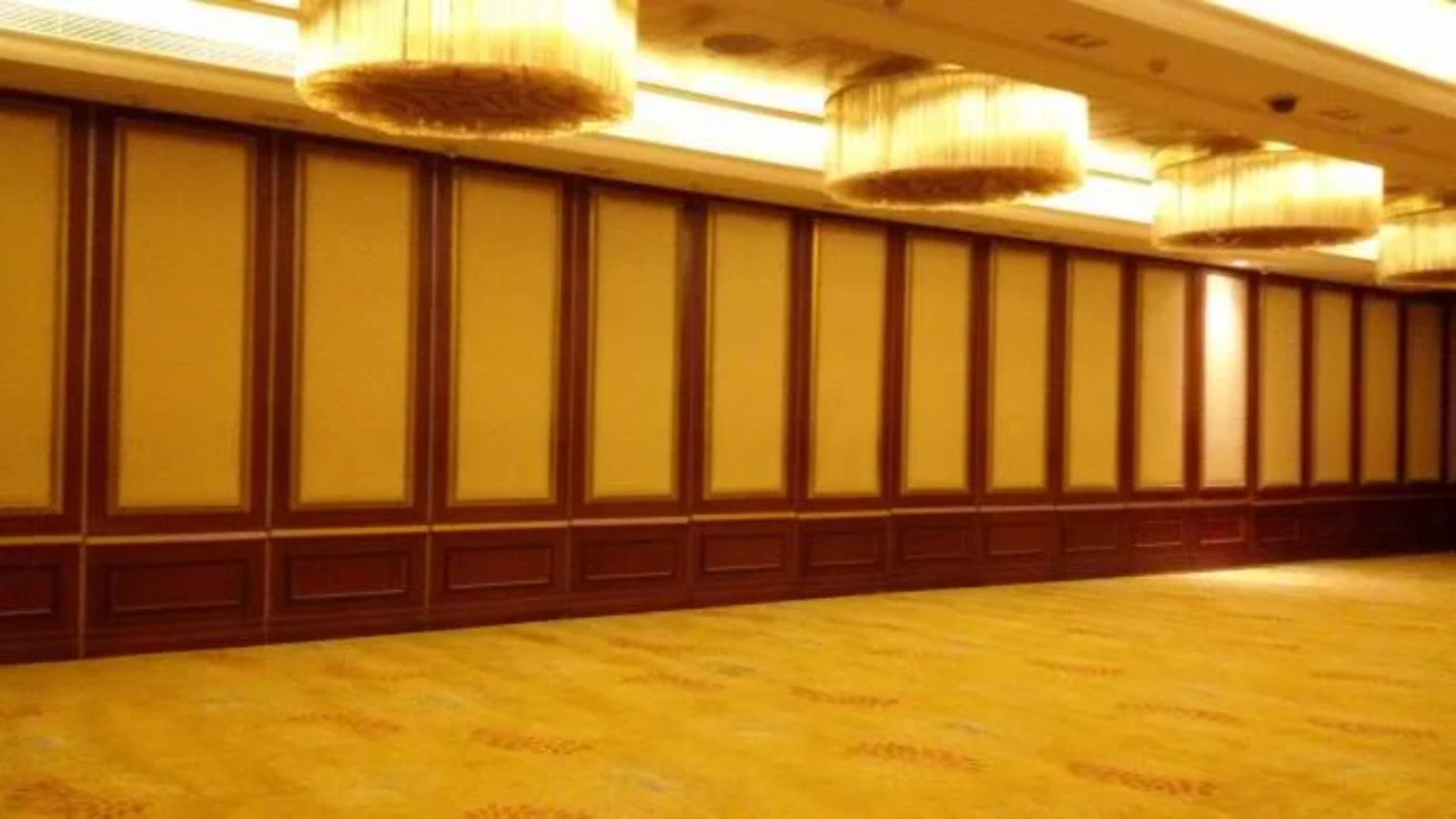
Most finish sample problems are not about the sample itself. Panel handling and the operating sequence must be confirmed for the selected layout and project conditions.
- Unnamed approver: no one is formally responsible for the final decision.
- Verbal approval: a comment in a meeting is treated as a sign-off without a written record.
- Sample without context: the sample is reviewed without the layout, panel positions, or stacking arrangement.
- Mixed references: the approved sample, the specification, and the production drawing do not match.
- Late changes: a finish change is requested after bulk production has started.
Each of these gaps can be reduced with a simple approval record that names the sample, the project, the date, the approver, and any conditions. The record should also state what was not reviewed, so that no one infers hidden performance from the signature.
How to document the approval for bulk production
A useful approval record is short but specific. It should identify the project, the finish category, the sample reference, the approved panel faces or areas, and the sign-off authority. It should also note any project-specific requirements that still need confirmation, such as support, acoustic, or dimensional topics.
Where a project uses a pass-door, the record can note that the pass-door requirement has been discussed and included in the project documentation. Where the layout includes turning or stacking routes, the record can reference the reviewed layout so that production and installation teams work from the same information.
Keep the approved sample in a known location. If the sample is retained by the supplier, the project team should keep a photograph and a written description as a secondary reference. The written record is what allows a later question to be answered without relying on memory.
Frequently asked questions
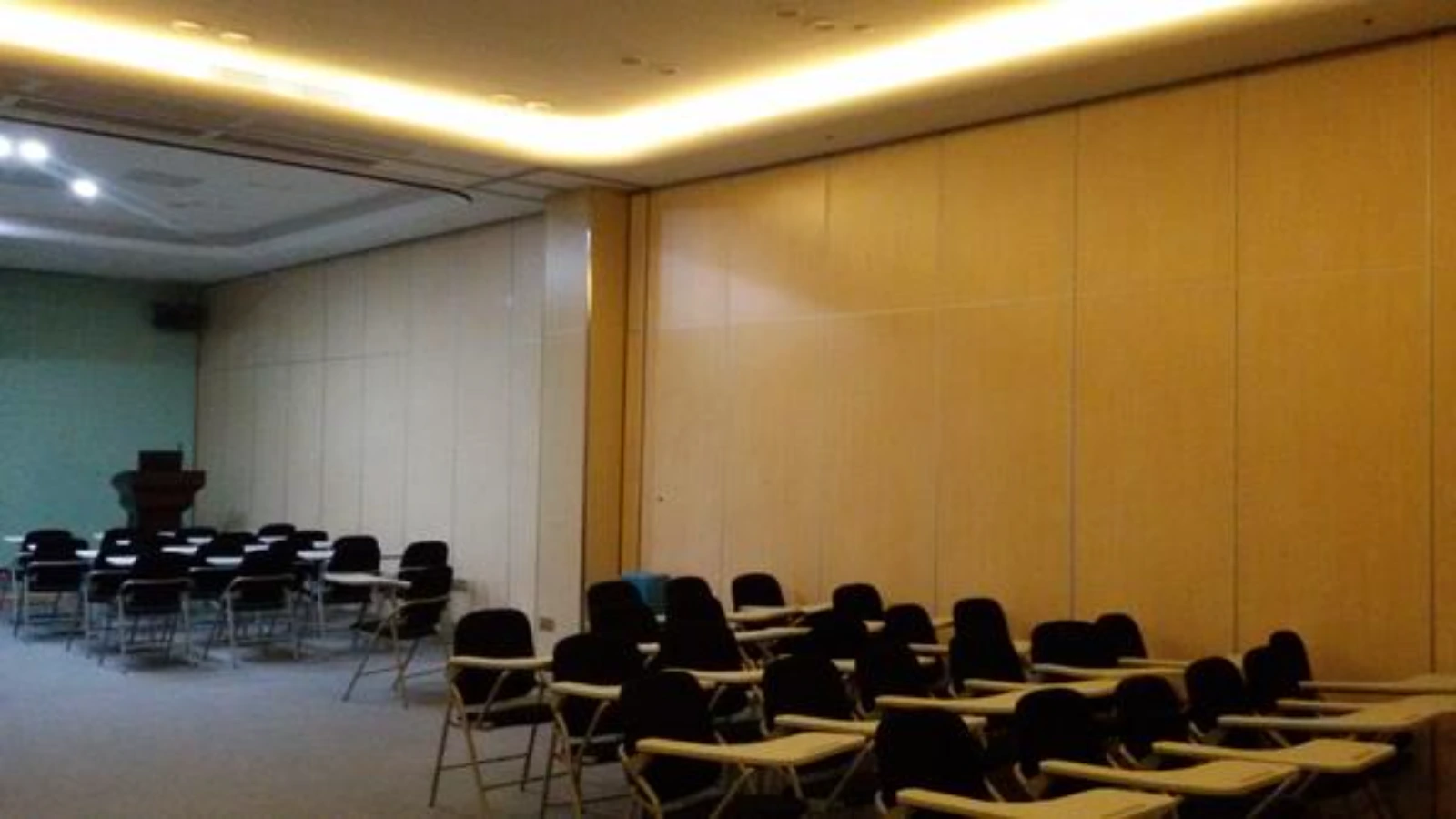
Who should sign the partition finish sample?
The sign-off authority should be named in the contract or project approval workflow. It is often the architect, designer, owner representative, or project manager, but the correct person is the one authorized to approve finishes for that project.
Can a contractor approve the sample without the designer?
Only if the contract gives the contractor that authority. If the designer specified the finish, their review is usually part of the approval chain. Confirm the authority in writing before production begins.
Does a signed sample confirm acoustic performance?
No. A finish sample confirms appearance and reference alignment.
What if the approved finish is no longer available?
The project team should review an alternative sample through the same approval chain. A substitution should be documented and signed before bulk production continues.
How does sign-off relate to the partition layout?
The layout shows straight, turning and stacking routes. The finish review should consider the visible panel faces and edges in those positions, so that the approved sample matches what will actually be seen in the space.
Should the sample be kept after approval?
Yes, where practical. A retained sample or a clear photographic and written record helps resolve later questions about color, texture, or finish category.
Conclusion: align authority, sample, and drawings
The exact route, junction arrangement, continuous overhead path and parking position must be confirmed from the coordinated project drawings. The signature is not a performance guarantee. It is a coordination record that helps bulk production match the approved appearance.
Before production begins, confirm the project-specific support, acoustic, and dimensional requirements with the responsible parties. If your team needs to discuss finish options, pass-door requirements, or project documentation, contact EBUNGE to start the conversation. You can also review the acoustic partition wall range, explore flexible space solutions, or request a quote for your project.