Quick answer: partition bid acoustic evidence package
Review focus: partition bid acoustic evidence package.
A partition bid acoustic evidence package is the set of documents a bidder submits to show how a proposed movable wall system is expected to perform, how that expectation was derived, and which project conditions still require confirmation. For overseas contractors, architects, interior designers and owners, the package is not a marketing brochure. It is a reviewable record that lets the project team compare submissions on the same basis and identify gaps before award.
This guide explains what to request, how to read acoustic ratings conceptually, and where project-specific evidence must replace generic statements. Visible references can support layout discussion but do not verify hidden construction or performance. The exact overhead route and support arrangement must be confirmed by the responsible project team from coordinated drawings.
Why Acoustic Evidence Matters in a Partition Bid
Project review term: partition bid acoustic evidence package.
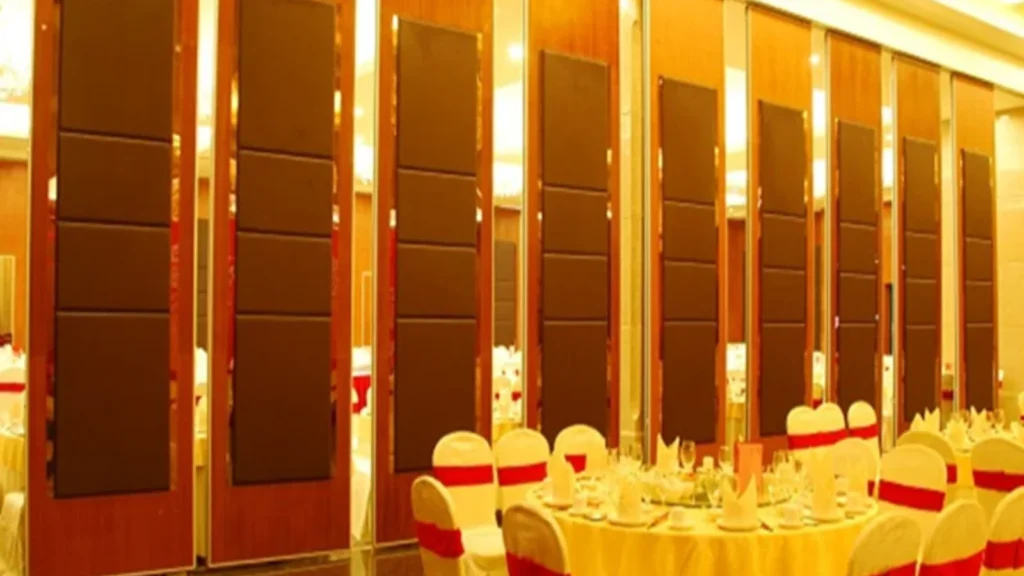
Movable partitions are often specified where rooms must divide and recombine without a continuous floor track. EBUNGE panels are individually movable, suspended from a top track, cross the opening without a floor track, and park at a planned stacking position. That operating concept affects how acoustic evidence should be read, because performance depends on the complete assembly and the surrounding construction, not on a panel alone.
A bid package that lists a single rating without context is difficult to evaluate. A stronger submission explains the tested or assessed configuration, the supporting structure assumed, the seal and closure concept in general terms, and the interface conditions that must be met on site. Reviewers should treat every rating as conditional until the project drawings, support and dimensions are checked.
Core Documents to Request From Each Bidder
Coordination scope: partition bid acoustic evidence package.
Ask every bidder to submit the same document set so comparisons are meaningful. The list below is a review framework, not a guarantee that any specific document exists for a given system.
- A cover sheet naming the project, revision date and the exact partition type offered.
- The suitability of each route and parking arrangement depends on the approved layout, circulation, ceiling interfaces and operating sequence.
- Drawings showing the top track route, turning points, stacking position and any pass-door locations.
- Finish schedules listing laminate, melamine, fabric, leather, glass or other approved surfaces.
- A list of open items that require project-specific confirmation before fabrication.
Reading STC and Rw Without Overclaiming
A higher descriptor generally indicates greater sound reduction in the tested configuration, but the actual result depends on workmanship, flanking paths, penetration details and the building structure.
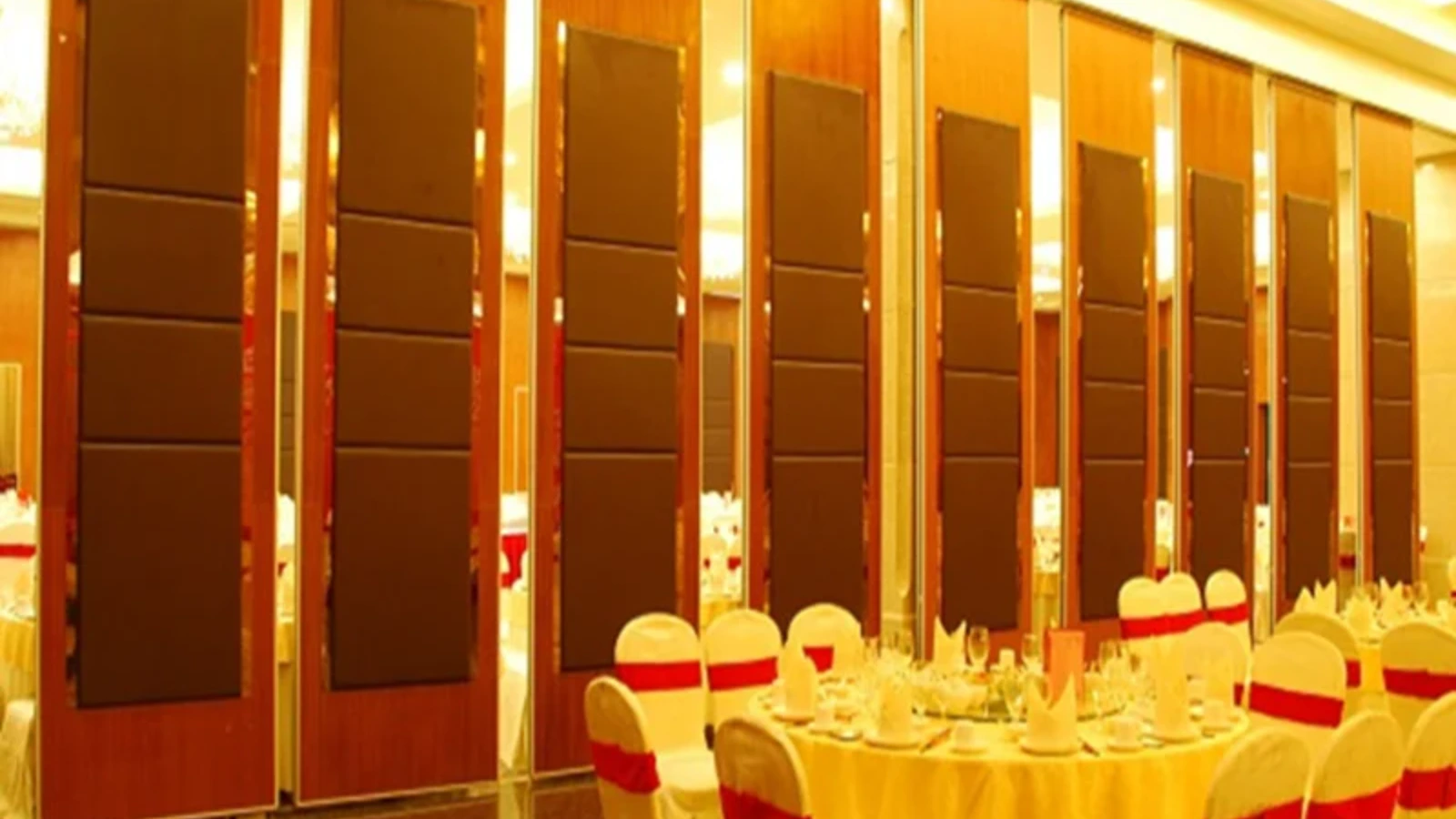
Evidence note: a laboratory rating describes a tested assembly. It does not automatically describe the same partition installed in a different opening, with different supports, or with unsealed interfaces.
How to Compare Submissions Fairly
Checklist focus: partition bid acoustic evidence package.
Comparison fails when bidders answer different questions. Issue a common evidence request with fixed headings, then score responses against the same criteria. Where a bidder cannot supply a document, record the gap rather than filling it with an assumption.
| Evidence item | What it supports | What still needs confirmation |
|---|---|---|
| Acoustic report | Performance of a described assembly | Field conditions, interfaces, support |
| Layout drawing | Straight, turning and stacking routes | Structural capacity and coordination |
| Finish schedule | Surface options offered | Cleaning, durability and project suitability |
| Open-items list | Transparency about unknowns | Resolution before fabrication |
Project Information Bidders Need From You
Bidders cannot produce a meaningful acoustic evidence package without project inputs. State whether pass doors are required and where. Confirm the parking strategy and whether compact stacking is expected.
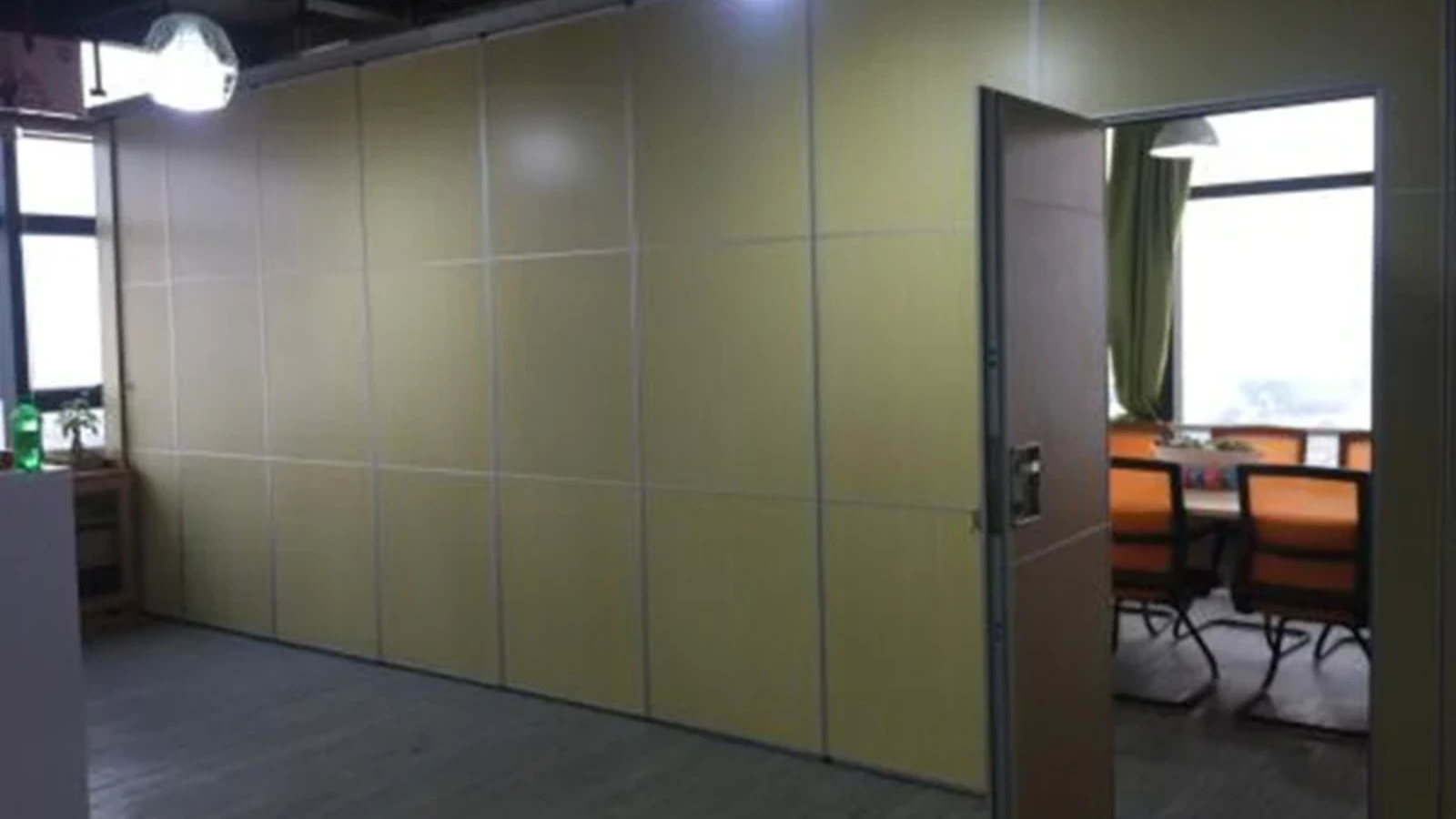
If the layout includes turns or multiple stacking positions, the bidder should review the straight, turning and stacking routes from the layout. Any proposed movement path requires a continuous connected overhead route and project-specific support review. The exact route, junction arrangement, continuous overhead path and parking position must be confirmed from the coordinated project drawings.
Questions to Resolve Before Award
- Which assembly is being rated, and does it match the offered partition?
- What support assumptions sit behind the top track design?
- Which interfaces remain unsealed in the current drawings?
- What pass-door requirements affect the acoustic strategy?
- Which items will be confirmed only after site measurement?
Common Gaps in Acoustic Evidence Packages
The most frequent weakness is a rating presented without the assembly description. Reviewers cannot tell whether the tested configuration matches the offered one. A second gap is missing interface detail: junctions at walls, floors, ceilings and adjacent construction often control real-world performance more than the panel itself.
Another gap is silence about support. A top-hung system depends on the overhead structure, and the bid package should state what the bidder assumes. Finally, some packages omit the open-items list, which hides coordination risk until late in the programme. A transparent list of unknowns is more useful than confident language that cannot be verified.
Coordinating the Acoustic Evidence Request Workflow
Treat the evidence request as a workflow, not a one-time email. Issue the request with the tender documents, set a clarification deadline, and require bidders to respond under the same headings. Log every response and flag missing items for follow-up.
After technical review, hold a coordination call to walk through drawings, support assumptions and open items. Record decisions in writing. This workflow keeps the acoustic evidence package tied to the actual design and reduces the chance that a rating is carried into construction without its conditions.
Frequently Asked Questions
What is a partition bid acoustic evidence package?
It is the set of documents a bidder submits to show how a proposed movable partition is expected to perform acoustically, including reports, drawings, assumptions and open items. It supports comparison and review, but it does not replace project-specific confirmation.
Does a higher STC or Rw number guarantee a quieter room?
No.
Should every bidder submit the same documents?
Yes. A common evidence request with fixed headings lets you compare submissions on the same basis. Where a document is missing, record the gap instead of assuming performance.
What project information should we provide to bidders?
Confirm all support, acoustic and dimensional requirements for the specific project.
How do movable partitions handle floor tracks?
EBUNGE movable partition panels are top-hung and move without a continuous floor running track or floor hardware along the partition line.
Can we specify finishes in the bid package?
Confirmed finish options include laminate, melamine, fabric, leather, glass and other approved surfaces.
Conclusion and Next Step
A well-structured partition bid acoustic evidence package helps project teams compare submissions honestly and exposes the conditions that still need confirmation. Request the same documents from every bidder, read ratings as conditional descriptors, and keep the open-items list visible through award.
To discuss pass-door requirements, project documentation or a layout review for your flexible-space project, contact the EBUNGE team. You can also review the acoustic partition wall range, explore application solutions, or request a quote with your drawings and evidence requirements.