
Quick project answer
Review focus: ambiguous partition scope clauses.
Ambiguous partition scope clauses are one of the most common reasons tender pricing drifts after award. When a specification describes a movable wall system without clarifying movement routes, parking, finish interfaces or support conditions, each bidder may price a different interpretation. For overseas contractors, architects, interior designers, owners and renovation teams, the goal is not to eliminate every open item before tender. It is to make the open items visible, assign responsibility and request the right project-specific confirmations before numbers are fixed.
This guide offers an evidence-bounded framework for reviewing movable partition scope. The suitability of each route and parking arrangement depends on the approved layout, circulation, ceiling interfaces and operating sequence.
Why Ambiguous Partition Scope Clauses Distort Tender Pricing
Project review term: ambiguous partition scope clauses.
A tender is a comparison exercise. The exact route, junction arrangement, continuous overhead path and parking position must be confirmed from the coordinated project drawings. The problem is rarely a single missing sentence. It is usually a cluster of small assumptions about how panels move, where they rest and what the surrounding construction must provide.
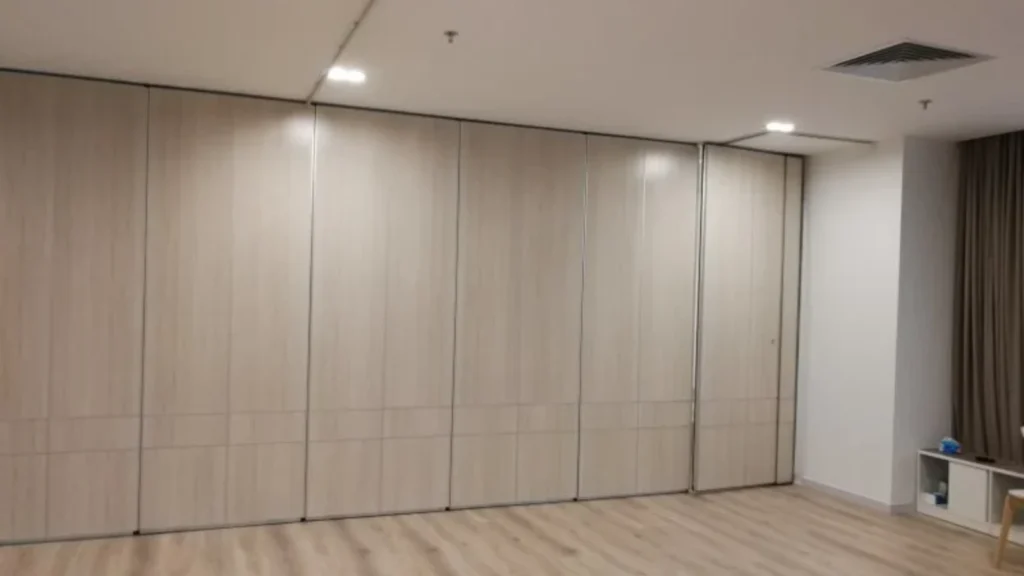
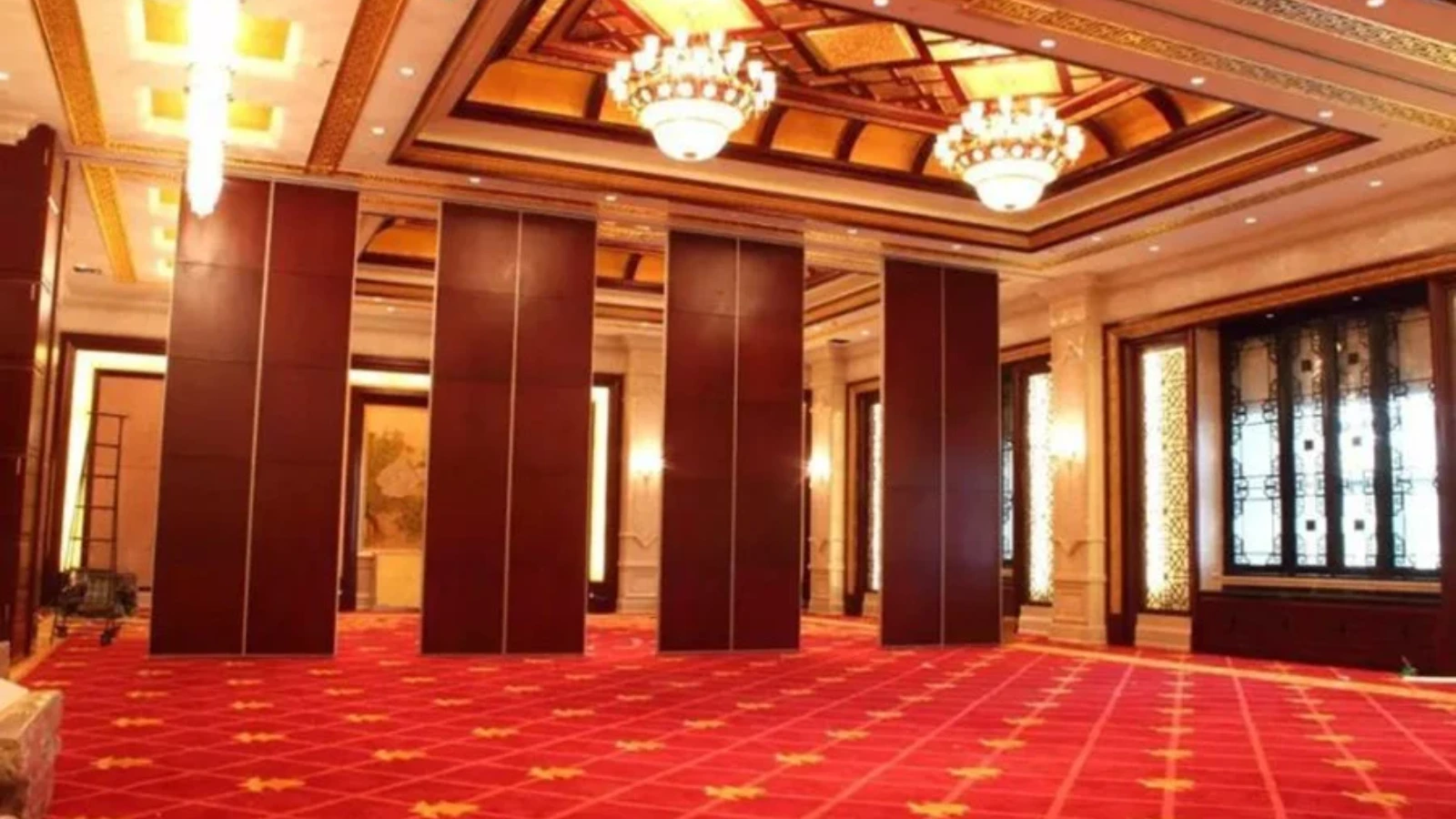
Movable wall panels are individually movable, suspended from a top track, cross the opening without a floor track and park at a planned stacking position. Those maintained facts already create scope questions: Is the overhead route continuous? Is the parking position shown? Does the layout include turns? Each answer changes what must be coordinated before pricing.
Common clause gaps that affect price comparability
- No dimensioned plan showing the full movement path from closed position to parking position.
- No indication of whether the route is straight, turning or requires a stacking arrangement.
- No finish schedule linking laminate, melamine, fabric, leather, glass or other approved surfaces to the correct panel faces.
- No pass-door requirement stated, even when daily circulation depends on it.
- No acoustic intent described beyond a vague performance phrase.
A Pre-Tender Review Process for Project Teams
Coordination scope: ambiguous partition scope clauses.
Use a short, repeatable process before issuing or pricing the package. The aim is to convert vague language into either a confirmed requirement or a clearly labelled assumption.
- Collect the layout evidence. Mark the closed, open and parked positions of the movable wall.
- Trace the movement route. Review straight, turning and stacking routes from the layout.
- List finish and interface items. Identify which faces are visible, whether a pass door is required and how the partition meets adjacent walls, columns or ceilings.
- Separate confirmed facts from assumptions. Keep maintained product facts in one column and project-specific unknowns in another.
- Issue clarification questions before pricing. Ask for missing drawings, support confirmation and acoustic intent in writing. Record the answers as tender addenda.
- Recheck the priced scope against the final route. Confirm that the priced configuration still matches the reviewed layout after any design changes.
Evidence Boundaries: What You Can and Cannot Infer
Checklist focus: ambiguous partition scope clauses.
Procurement and tender review coordination depends on knowing where evidence ends. A generic application example does not prove a application reference.
Evidence note: Do not derive hidden acoustic, fire, durability, load, maintenance, certification or commercial performance from a visible shape, finish, photograph or drawing. Comparative, absolute and causal statements require corresponding evidence. Otherwise, state the exact project-specific confirmation boundary.
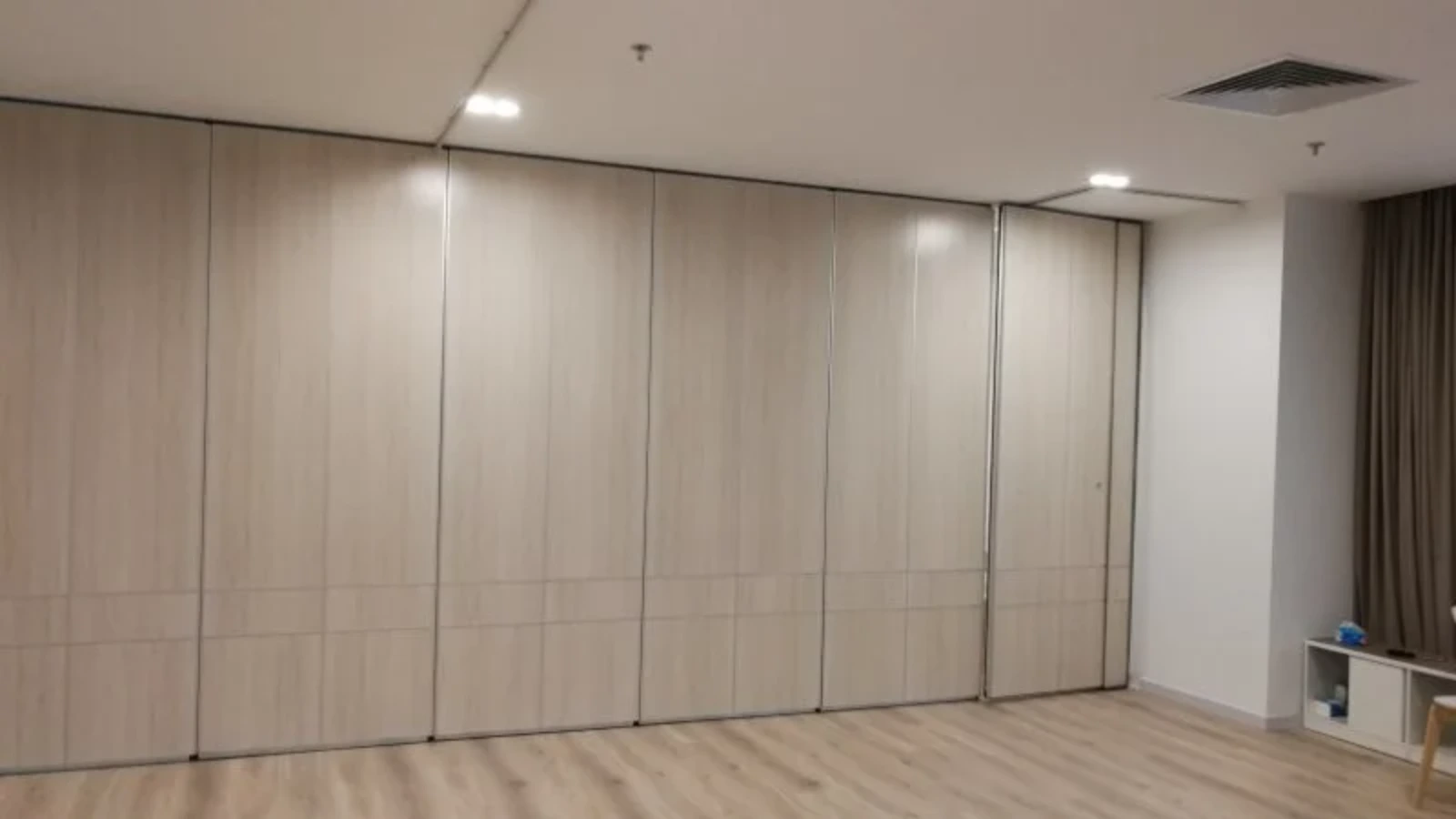
Visible references can support layout discussion but do not verify hidden construction or performance.
Checklist: Flagging Ambiguity Before Tender Pricing
Review focus: ambiguous partition scope clauses.
| Review item | Ambiguous wording | Better pre-tender action |
|---|---|---|
| Movement route | “Movable wall as required” | Request a dimensioned plan showing straight, turning and stacking routes. |
| Overhead support | “Support by others” | Name the responsible party and require written confirmation before pricing. |
| Parking position | “Stack nearby” | Show the planned stacking position and confirm it fits the layout. |
| Finish schedule | “Finish to match” | List approved surfaces and identify visible faces. |
| Pass door | Not mentioned | State whether a pass door is required and where. |
| Acoustic intent | “Soundproof” | Replace with project-specific acoustic requirements and confirmation. |
How to Write Clarification Questions That Get Useful Answers
Good clarification questions are specific, bounded and easy to answer. Instead of asking whether the system is “suitable,” ask which drawing defines the parking position, who confirms the overhead support and whether the route includes a turn.
Questions to send before pricing
- Can you provide a plan showing the closed, open and parked positions?
- Is the movement route straight, turning or a combination?
- Which party is responsible for confirming continuous overhead support?
- Are pass-door requirements defined, including location and swing?
- Which finish surfaces are required, and on which faces?
- What acoustic intent must be confirmed for this specific room?
When answers are unavailable, mark them as assumptions in the tender comparison. An assumption is not a defect; an unlabelled assumption is. Project teams that label assumptions can compare bids on the same basis and avoid surprise variations later.
Coordinating Scope Across Disciplines
Movable partition scope rarely sits with one trade. Ambiguity grows when each party assumes another has resolved the route.
Use a single scope register for the partition package. Record the drawing reference, the confirmed fact, the open question and the responsible party. Review it at each design stage.
What to confirm with EBUNGE
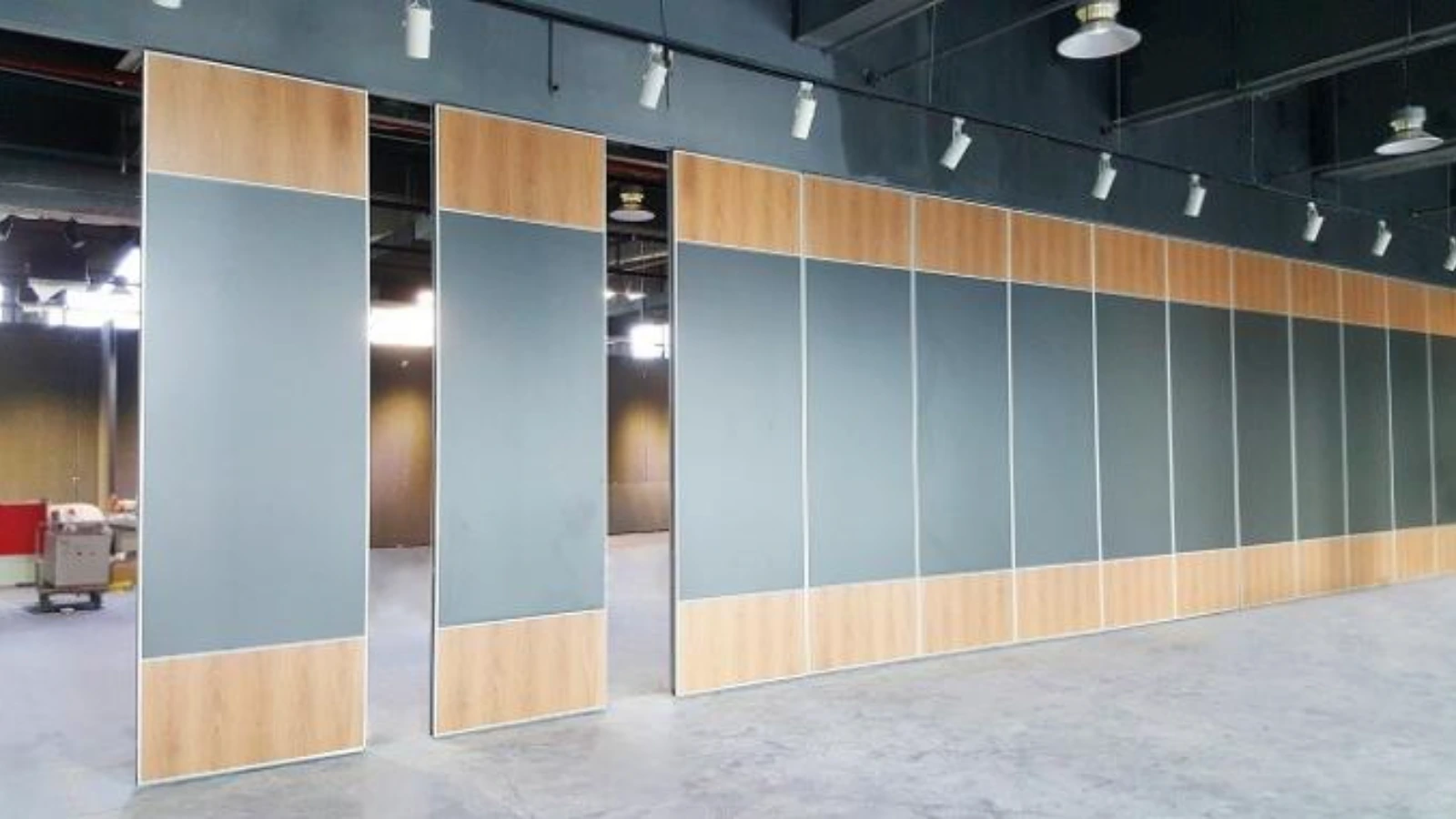
EBUNGE can discuss pass-door requirements and project documentation. Finish options include laminate, melamine, fabric, leather, glass and other approved surfaces. Parking style is customized to the customer layout and project requirements. To move forward, share the layout, route and interface information so the team can review the configuration against the available evidence.
Frequently Asked Questions
What makes a partition scope clause ambiguous?
A clause is ambiguous when it leaves the movement route, parking position, finish faces, pass-door requirement or support responsibility undefined. These gaps force bidders to guess, which makes tender pricing difficult to compare.
Can I price a movable wall without a dimensioned layout?
You can record a provisional assumption, but you should not treat it as a confirmed price. A dimensioned layout showing the closed, open and parked positions is needed to review straight, turning and stacking routes properly.
Does a movable partition need a floor track?
EBUNGE movable partition panels are top-hung and cross the opening without a continuous floor running track or floor hardware along the partition line.
How should acoustic performance be described in a tender?
Do not copy a rating from another project without matching evidence for the actual configuration and installation.
Who should confirm overhead support?
The responsible party depends on the project structure and contract.
Can finishes be used as evidence of performance?
No. Laminate, melamine, fabric, leather, glass and other approved surfaces are finish options. Those items require separate project-specific evidence.
Conclusion: Make Assumptions Visible Before Pricing
Flagging ambiguous partition scope clauses is a coordination habit, not a legal exercise. Trace the route, name the support responsibility, define the parking position, list the finishes and state the acoustic intent. Where evidence is missing, label the assumption and request confirmation. This gives every bidder the same basis for pricing and reduces the risk of post-award variations.
The exact overhead route and support arrangement must be confirmed by the responsible project team from coordinated drawings. Review the movable partition walls range, explore flexible space solutions or contact EBUNGE to discuss your layout. You can also request a quote once the scope questions are resolved.