
Quick project answer
Review focus: partition tender unbalanced pricing.
Partition tender unbalanced pricing rarely appears as a single obvious error. It usually hides in how a return distributes cost across scope items, assumptions, and exclusions. For overseas contractors, architects, interior designers, owners, and procurement teams, the goal is not to guess the lowest number but to see whether the return matches the project’s actual movable wall requirements. This guide explains how to detect partition tender unbalanced pricing using visible evidence, drawing review, and disciplined clarification questions.
What Unbalanced Pricing Means in a Partition Tender
Project review term: partition tender unbalanced pricing.
Unbalanced pricing occurs when a tender return shifts cost away from clearly defined items and into vague allowances, provisional sums, or items that are easy to underestimate. In movable partition work, this can happen when the return treats the top track, panel movement, parking arrangement, or finish scope as a simple line item without reviewing the layout.
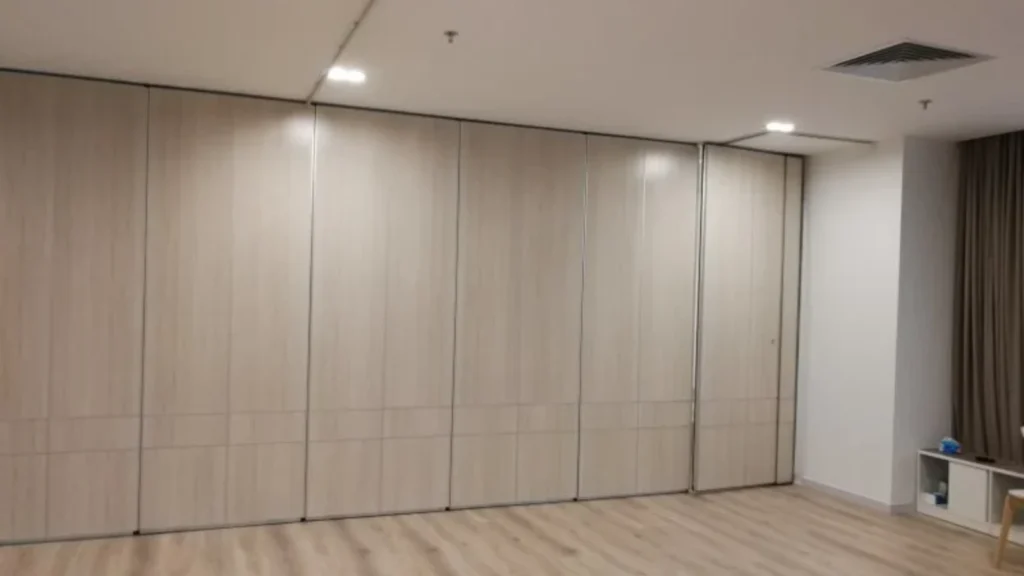
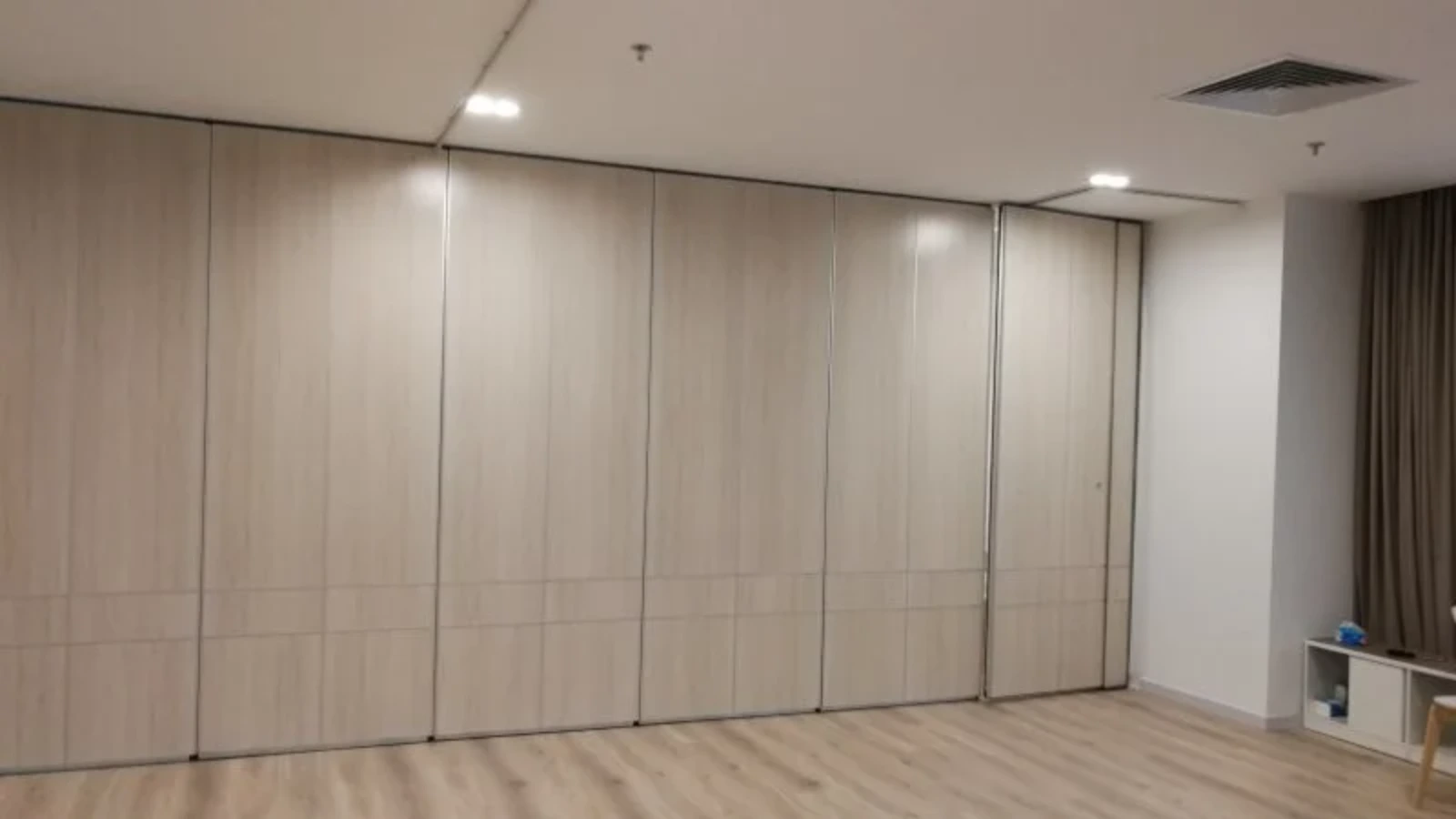
Because EBUNGE movable wall panels are individually movable, suspended from a top track, cross the opening without a floor track, and park at a planned stacking position, the tender must reflect the real route. If a return prices panels but leaves route, parking, or interface work unclear, the commercial picture is incomplete.
Start With the Drawing and Route Review
Coordination scope: partition tender unbalanced pricing.
Before comparing totals, confirm that every return is priced against the same drawings. Straight, turning, and stacking routes should be reviewed from the layout. The exact route, junction arrangement, continuous overhead path and parking position must be confirmed from the coordinated project drawings.
Check the overhead route continuity
Every proposed movement path requires a continuous connected overhead route and project-specific support review. Ask the tenderer to mark the route on the drawing and state what support information they have allowed for.
Check the parking position
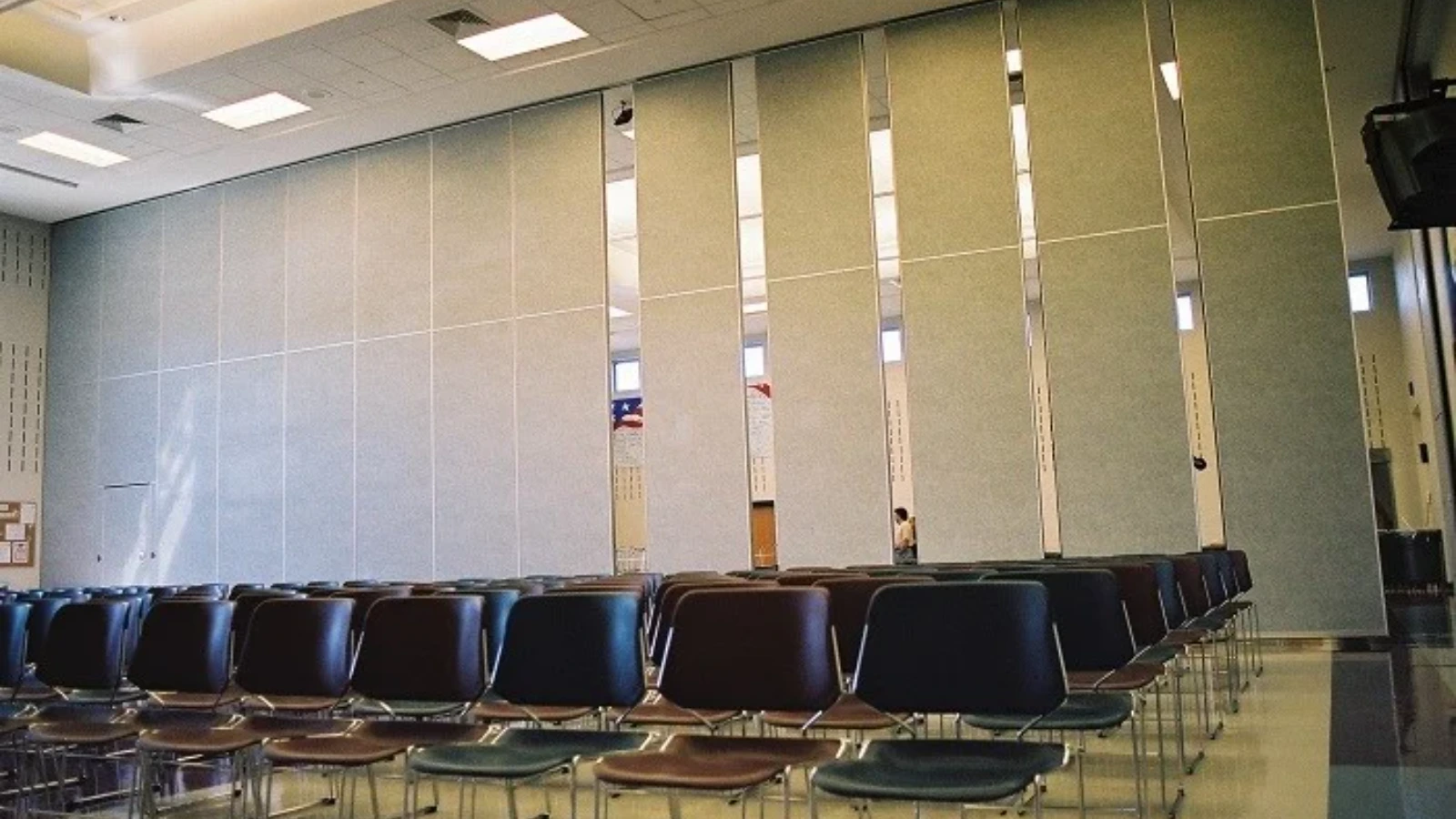
Parking style is customized to the customer layout and project requirements and may support compact stacking when the coordinated design permits it. If the return does not identify where panels park, how they stack, or what adjacent works are affected, the price may be unbalanced against the real installation sequence.
Use a Scope Comparison Table
A compact comparison table helps reveal where one return includes work that another excludes. The table below is a review tool, not a pricing formula. It should be completed from the tender documents and confirmed with each bidder.
| Scope item | What to verify in the return | Evidence boundary |
|---|---|---|
| Panel movement | Individually movable panels, top-hung, no floor track along the partition line | Confirm against layout and product data |
| Route | Straight, turning, and stacking routes reviewed from the layout | Requires continuous connected overhead route |
| Parking | Planned stacking position and clearance shown | Customized to project layout |
| Finishes | Laminate, melamine, fabric, leather, glass, or other approved surfaces | Finish choice does not prove acoustic or structural performance |
| Pass doors | Pass-door requirements discussed and documented | Confirm project-specific details |
| Documentation | Project documentation requirements listed | Confirm scope with the project team |
Look for Missing or Moved Cost
Unbalanced pricing often appears when a return moves cost from measured work into allowances. Look for broad provisional sums, undefined “builder’s work,” or finish allowances that do not match the specified surfaces. If the tender says “acoustic treatment included” without a defined requirement, treat that as an evidence gap rather than a performance promise.
The suitability of each route and parking arrangement depends on the approved layout, circulation, ceiling interfaces and operating sequence. Ask what the rating applies to, how it was determined, and what supporting documentation is provided.
Ask Clarification Questions That Expose Assumptions
Clarification is not a sign of weakness; it is how procurement teams protect the project. Send the same questions to every bidder so answers can be compared. Keep the questions tied to drawings, scope, and documentation rather than opinions about price.
- Which drawing revision did you price, and which route did you assume?
- Where do panels park, and what clearance did you allow?
- Which finish surfaces are included, and what is excluded?
- Are pass-door requirements included, and how are they documented?
- What project documentation will be provided, and in what format?
- What support, acoustic, and dimensional requirements still need project-specific confirmation?
Compare Returns on a Like-for-Like Basis
Once clarifications return, normalize the bids. Create a line-by-line view that separates panel supply, route and parking coordination, finish scope, pass doors, and documentation. A return that is low on panel supply but high on undefined coordination may be unbalanced overall.
Visible references can support layout discussion but do not verify hidden construction or performance. If a claim is not supported by matching evidence, mark it as unconfirmed and request the missing information.
Document the Evidence Boundary
Good tender review records what is known, what is assumed, and what remains open. This protects the project from later disputes and helps the owner understand where risk sits. Use a simple evidence note for each bidder.
Evidence note: Confirm project-specific support, acoustic, and dimensional requirements before award. Finish options such as laminate, melamine, fabric, leather, glass, and other approved surfaces describe appearance, not performance. Route and parking assumptions must be checked against the layout.
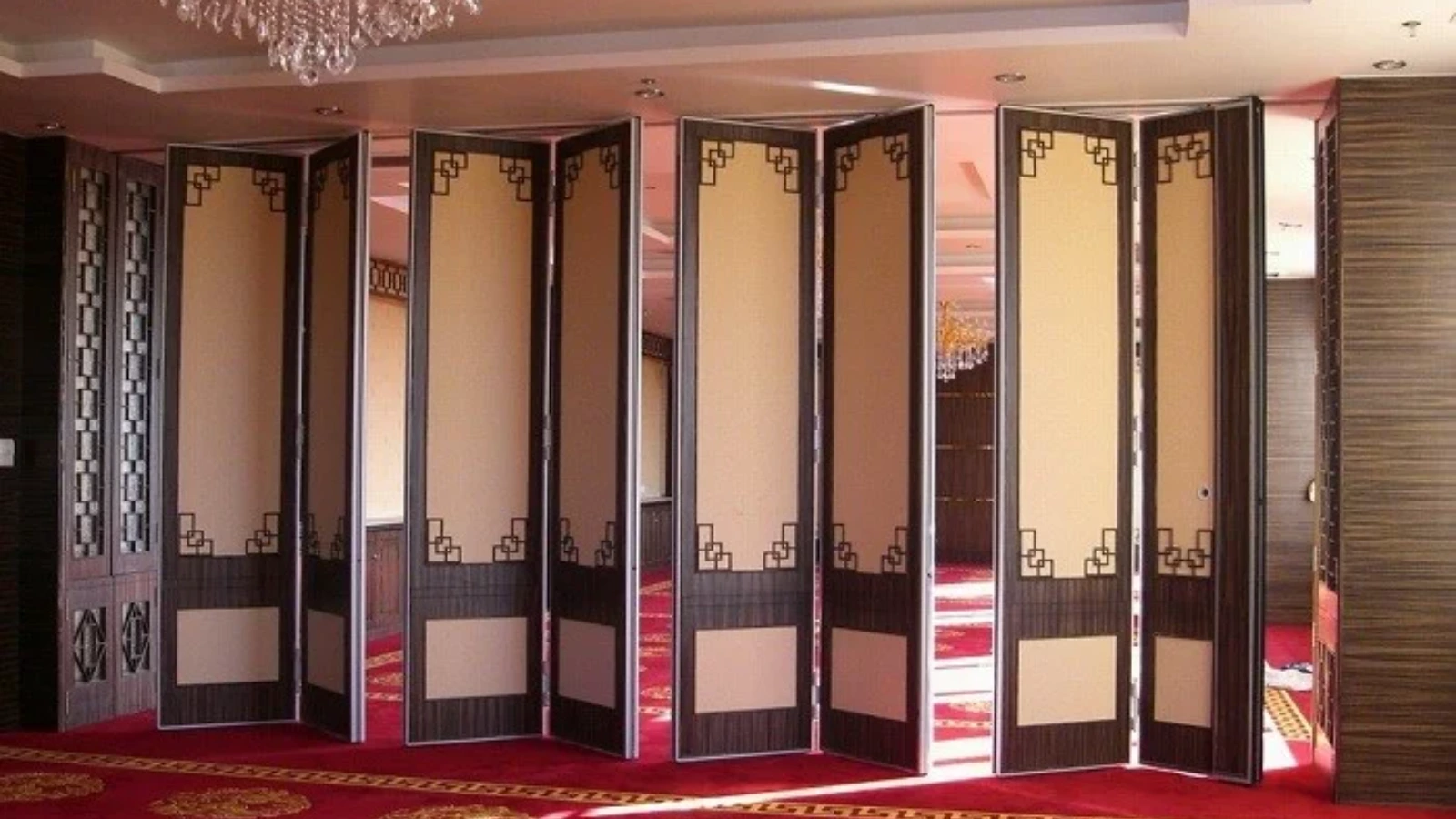
For movable wall systems, review the product category and project solutions with the same discipline. If the tender return cannot show how the panels move, turn, and park, the pricing is not yet comparable.
FAQ: Partition Tender Unbalanced Pricing
What is partition tender unbalanced pricing?
It is a pricing pattern where a return shifts cost into vague allowances or omits scope that the drawings require, making the total difficult to compare fairly.
How do I check if a return has priced the correct route?
Ask the bidder to mark the straight, turning, and stacking routes on the layout and confirm that every movement path has a continuous connected overhead route.
Does a finish selection prove acoustic performance?
No. Laminate, melamine, fabric, leather, glass, and other approved surfaces describe finish options.
Should I compare STC or Rw values directly?
Compare them only when the test scope, mounting, and project conditions are clearly documented.
What if the tender includes a provisional sum for parking?
Ask for the assumed parking position, clearance, and stacking arrangement. Parking style is customized to the layout, so an undefined sum may hide real coordination work.
When should I request project-specific confirmation?
Before award, confirm support, acoustic, and dimensional requirements for the actual opening, route, and parking position. Do not rely on generic assumptions.
Conclusion: Review the Return, Not Just the Total
Detecting partition tender unbalanced pricing is a scope and evidence exercise. Compare drawings, routes, parking, finishes, pass doors, and documentation before comparing totals. Where information is missing, ask for it in writing and keep the answer with the tender file.
If your team needs to discuss movable partition requirements, pass-door details, or project documentation, contact EBUNGE to review the layout and confirm project-specific requirements. You can also explore movable partition walls and project solutions, or request a quote once the scope is clear.