
Quick project answer
Review focus: partition tender query register.
A partition tender query register is a controlled list of questions, assumptions and clarifications that a project team resolves before bid pricing. For movable wall packages, the register protects both the buyer and the bidder from pricing a scope that has not been coordinated. This guide explains how to build and run that register using maintained product facts, visible evidence limits and project-specific drawing review.
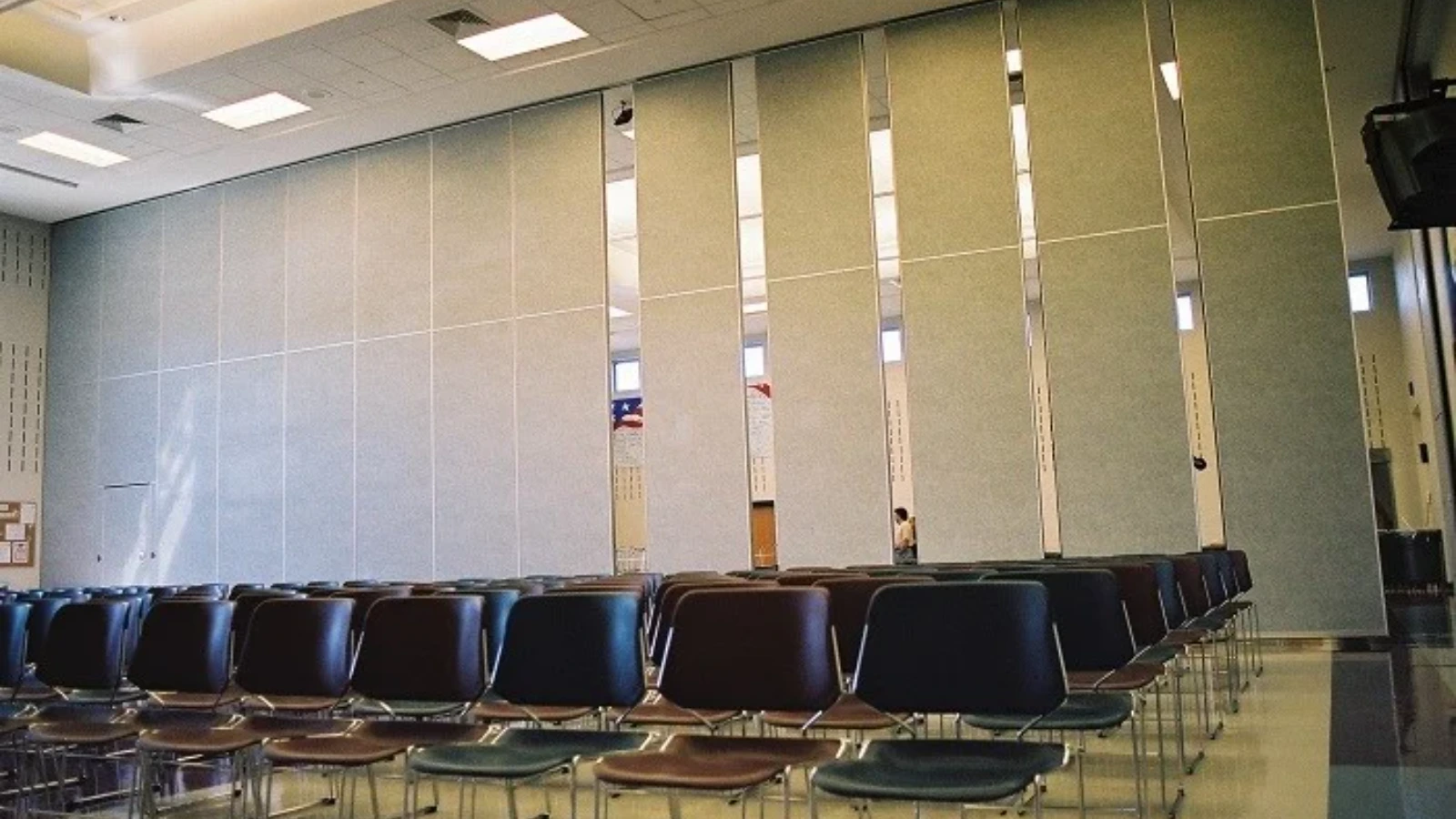
Movable partition panels are individually movable, suspended from a top track, cross the opening without a floor track, and park at a planned stacking position. Straight, turning and stacking routes are reviewed from the layout. These confirmed facts should anchor every query you raise. The exact overhead route and support arrangement must be confirmed by the responsible project team from coordinated drawings.
Why a Query Register Matters Before Bid Pricing
Project review term: partition tender query register.
Bid pricing depends on scope clarity. When a tender drawing shows a movable wall but does not define the parking position, the route between open and closed states, or the finish schedule, bidders must guess. Guessing creates either inflated prices or post-award disputes.
A query register converts those gaps into tracked items. Each query gets an owner, a due date and a resolution status. The register becomes the single source of truth for what was asked, what was answered and what remains open. For flexible space solutions, this discipline is especially important because the wall interacts with ceiling structure, adjacent finishes and room layout.
What the Register Is Not
It is not a substitute for design responsibility. It does not transfer the architect’s or engineer’s duty to confirm support, acoustic and dimensional requirements. It is a coordination tool that makes those confirmations visible before pricing.
Core Query Categories for Movable Partition Tenders
Coordination scope: partition tender query register.
Organize queries by discipline so that each reviewer can work efficiently. The categories below reflect the confirmed product context and the boundaries of what can be stated without project-specific evidence.
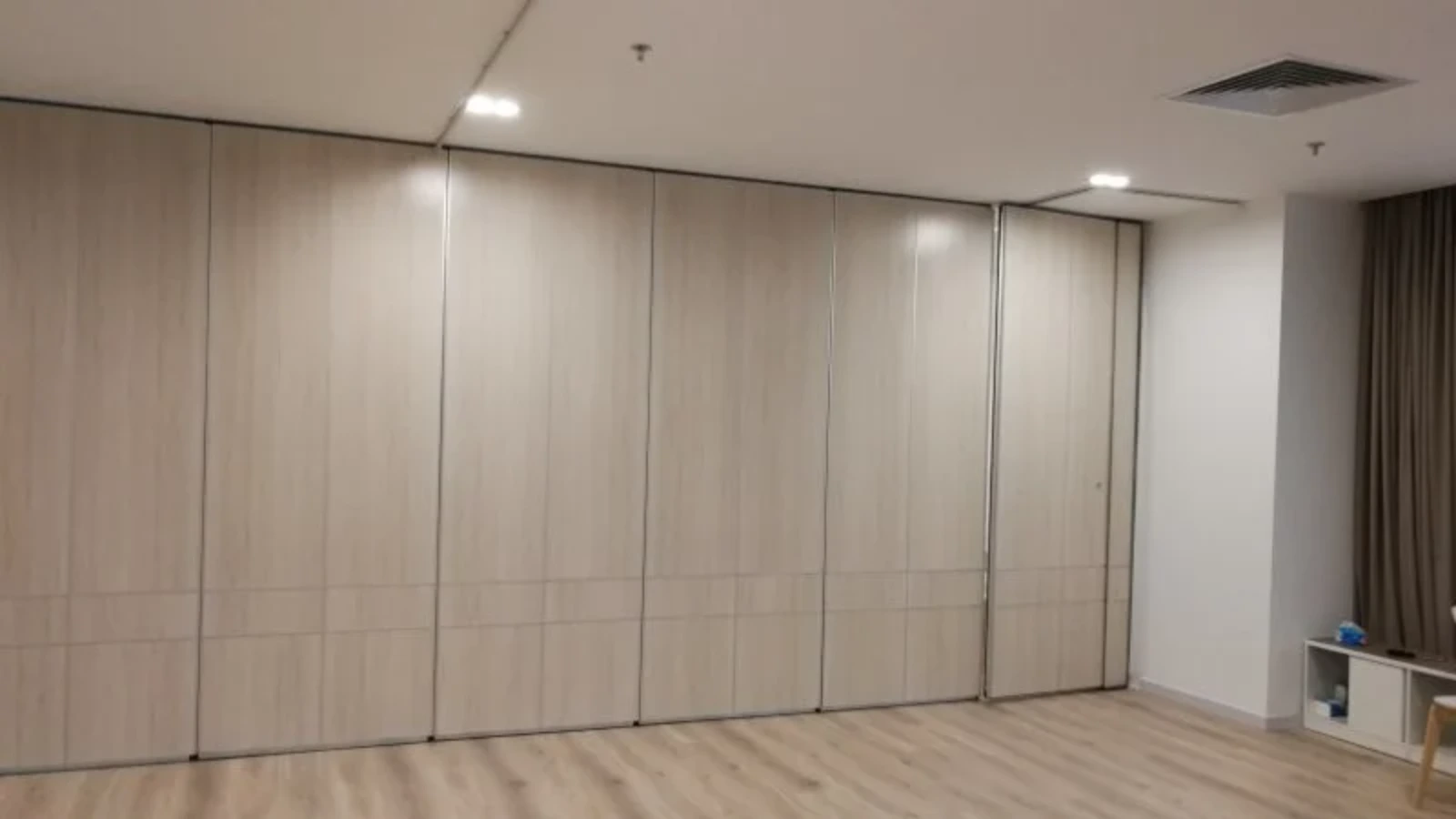
- Layout and movement: Confirm the straight, turning and stacking routes from the layout. Confirm the planned stacking position and whether it is inside or outside the room.
- The exact route, junction arrangement, continuous overhead path and parking position must be confirmed from the coordinated project drawings.
- Floor interface: Confirm that no continuous floor running track or floor hardware is required along the partition line. Address any floor finish transitions at the opening.
- Finish schedule: Confirm which approved surfaces are required—laminate, melamine, fabric, leather, glass or other approved surfaces—and where each applies.
- Pass doors: Confirm pass-door requirements, locations and swing direction as part of the layout review.
- Acoustic intent: State the project’s acoustic goal and ask for the evidence format required. The suitability of each route and parking arrangement depends on the approved layout, circulation, ceiling interfaces and operating sequence.
- Documentation: Confirm what project documentation is required for submittals, approvals and handover.
How to Structure the Register
Checklist focus: partition tender query register.
A simple table works well. Use columns for query number, category, question, drawing reference, responsible party, due date, response and status. Keep the language neutral and specific. Avoid embedding assumptions in the question.
| Field | Purpose | Example Entry |
|---|---|---|
| Query ID | Track and reference | PTQ-014 |
| Category | Route to reviewer | Layout and movement |
| Question | State the gap | Confirm stacking position relative to column line |
| Drawing ref | Locate context | A-201, grid C3 |
| Owner | Assign responsibility | Architect |
| Due date | Protect pricing | Before bid return |
| Status | Track closure | Open / Answered / Closed |
Numbered Process for Running the Register
- Collect the tender drawings, specification and finish schedule.
- Mark every location where a movable wall is shown or implied.
- Trace the straight, turning and stacking routes on the layout.
- List every gap between the drawing and the confirmed product facts.
- Write each gap as a single, answerable question.
- Assign an owner and a due date that precedes bid pricing.
- Circulate the register to all bidders so they price the same scope.
- Record responses and update the drawings before pricing is finalized.
Evidence Boundaries You Should State in the Tender
Bidders need to know what they can rely on. Visible references can support layout discussion but do not verify hidden construction or performance.
Ask for the evidence format your project requires and confirm it against the specific assembly and installation conditions.
Evidence note: Every proposed movement path requires a continuous connected overhead route and project-specific support review. Do not imply that panels can travel across an untracked gap.
Coordinating with Bidders and Reviewers
Send the register to every bidder at the same time. This ensures that all prices are based on the same assumptions. If a bidder raises a new query, add it to the register and circulate the response to all bidders.
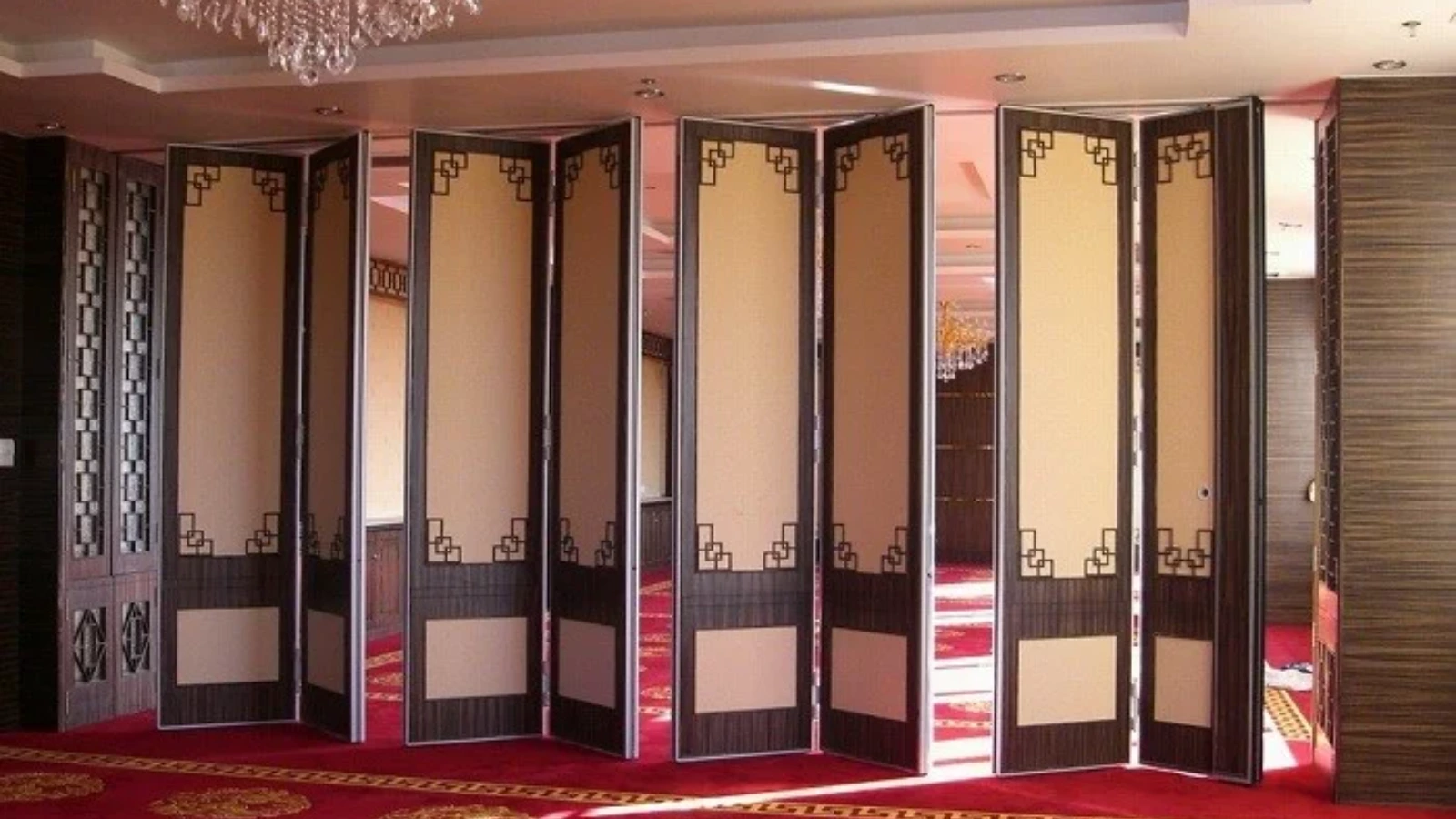
For movable partition walls, confirm that the bidder has reviewed the layout for straight, turning and stacking routes. Confirm that pass-door requirements and project documentation can be discussed. Confirm that the finish schedule uses approved surfaces.
Common Coordination Gaps
Each of these should become a numbered query with a named owner.
FAQ: Partition Tender Query Register
What is a partition tender query register?
It is a controlled list of questions and clarifications that a project team resolves before bid pricing. It tracks each query, its owner, its due date and its resolution status.
When should the register be started?
Start it as soon as tender drawings are issued. The goal is to close queries before bidders finalize their prices.
Which queries need project-specific evidence?
Do not infer these from a drawing or finish sample.
How should acoustic intent be described?
State the project’s acoustic goal and ask for the evidence format required. Confirm performance against the specific assembly and installation conditions.
Can the register include finish options?
Yes. Confirmed finish options include laminate, melamine, fabric, leather, glass and other approved surfaces. Confirm where each finish applies and whether it meets the project’s requirements.
What about pass doors and documentation?
Pass-door requirements and project documentation can be discussed as part of the tender review. Add them to the register so they are priced and coordinated.
Conclusion and Next Steps
A partition tender query register is a practical tool for reducing pricing risk. It keeps the project anchored to confirmed product facts, visible evidence limits and project-specific drawing review. Before bid pricing, confirm support, acoustic and dimensional requirements with the responsible design professionals.
To discuss your project’s movable wall requirements, contact us or request a quote. We can review your layout, finish schedule and query register to help you prepare a coordinated tender.