
Quick project answer
Review focus: partition tender front-loaded pricing.
Partition tender front-loaded pricing appears when early or visible work is priced heavily while later, less visible obligations are left thin or ambiguous. For overseas project teams comparing returns for movable partition walls, the risk is not only commercial. It can also hide unclear scope around top-hung panels, parking positions, finish selection and documentation. This guide explains how to detect partition tender front-loaded pricing using evidence-bounded review steps, drawing checks and clear questions before award.
What Front-Loaded Pricing Means in a Partition Tender
Project review term: partition tender front-loaded pricing.
Front-loaded pricing is a commercial pattern, not a product defect. A return may allocate more cost to early measurable items and less to later coordination, finishing, documentation or site support. In movable partition tenders, that pattern can be difficult to see because the system is described through drawings, schedules and finish selections rather than a single visible product.
Detection starts with the tender structure. If the pricing schedule separates supply, installation, finishing, tracks, parking and documentation, reviewers can compare each line against the specification. If those items are bundled into one vague allowance, front-loading is harder to identify and harder to challenge.
Why Movable Partitions Need a Different Review Lens
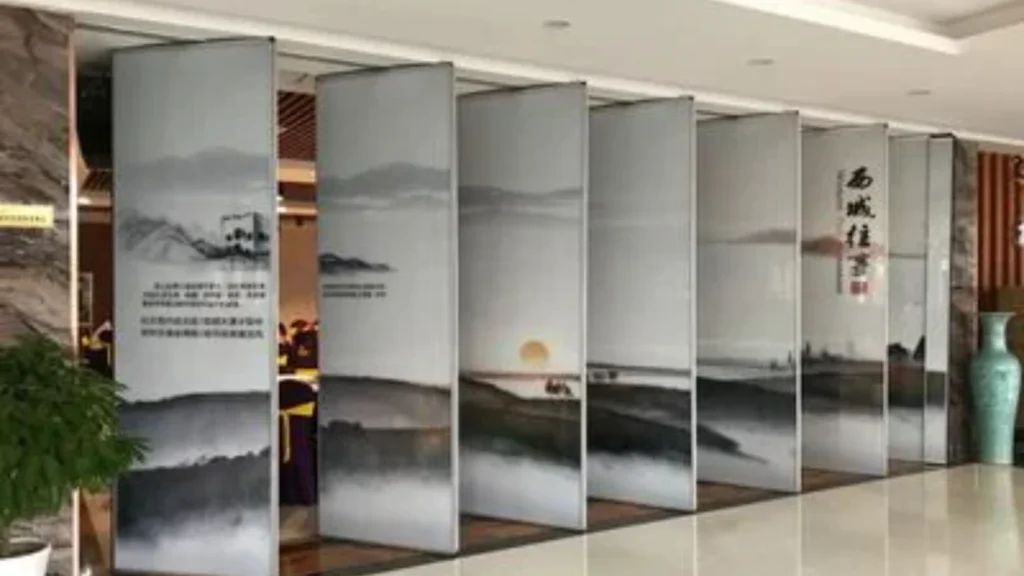
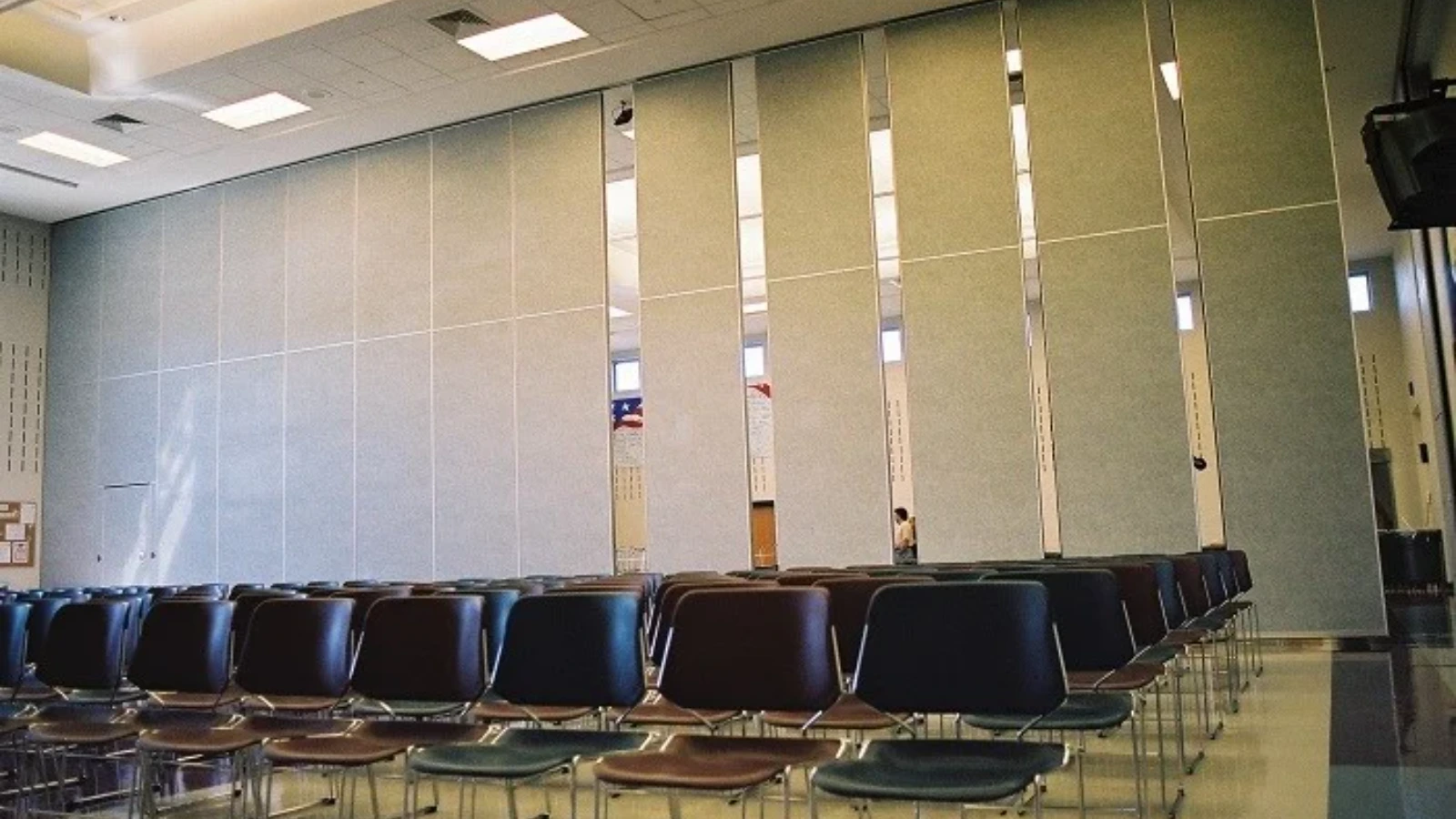
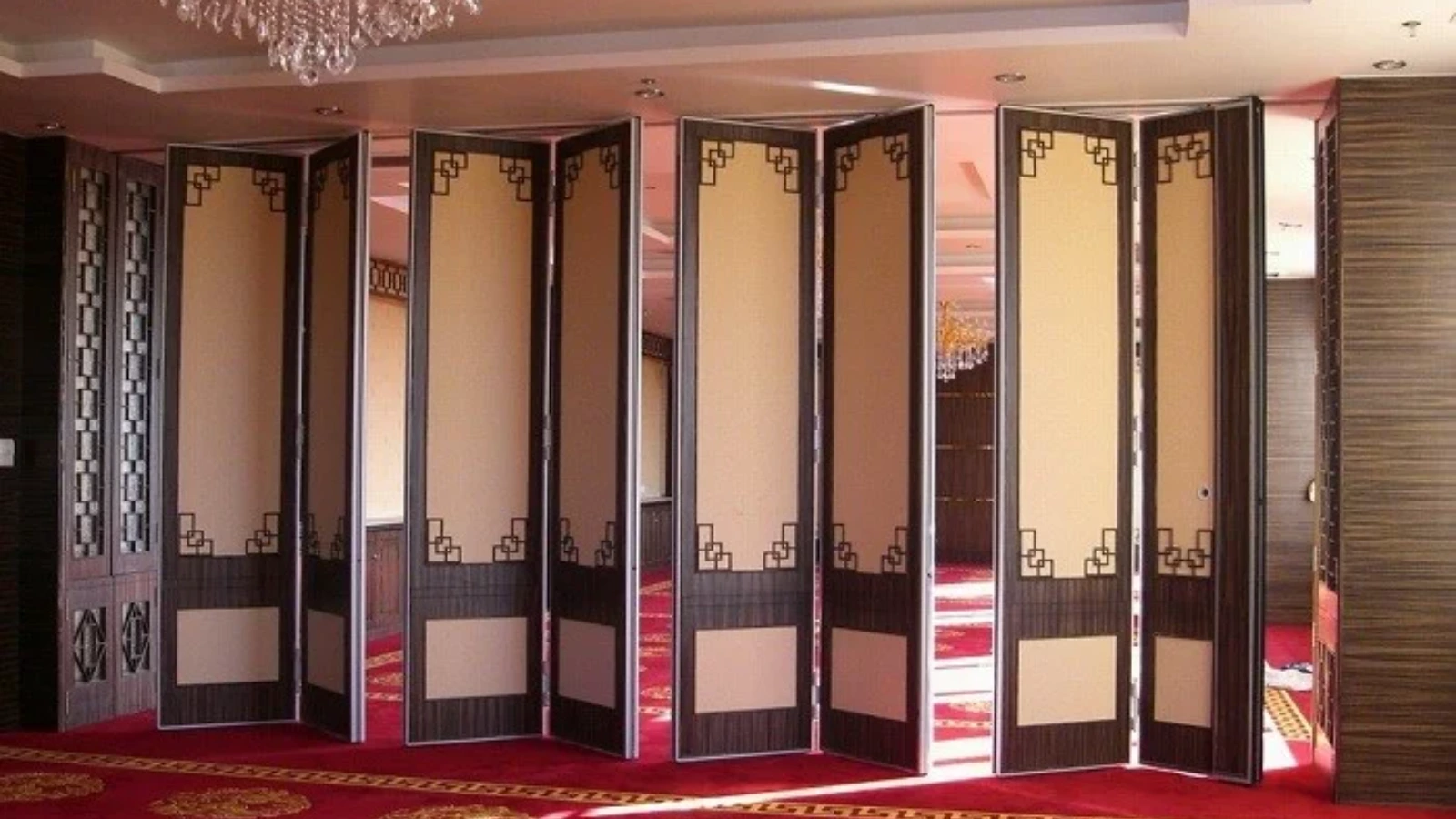
EBUNGE movable wall panels are individually movable, suspended from a top track, cross the opening without a floor track, and park at a planned stacking position. That means the tender should describe movement routes, parking arrangements and finish expectations. A return that prices only the panel face while leaving route coordination unclear deserves closer review.
Signals That a Tender Return May Be Front-Loaded
Coordination scope: partition tender front-loaded pricing.
No single signal proves front-loading. Reviewers should look for clusters of ambiguity that shift cost or responsibility away from the early tender stage. The following checklist helps structure that review without assuming hidden performance or commercial outcomes.
- Early supply items are priced in detail, while installation, alignment and finishing are described only as allowances.
- Track and parking provisions are mentioned but not tied to the layout drawings or stacking position.
- Finish options such as laminate, melamine, fabric, leather or glass are listed without a clear selection process.
- Pass-door requirements are omitted or deferred even though the room layout suggests they may be needed.
- Documentation, as-built information or coordination responsibilities are not clearly assigned.
- Acoustic or operational expectations are stated without project-specific evidence or confirmation boundaries.
How to Read the Pricing Schedule Against the Drawings
The pricing schedule should be read alongside the layout. Straight, turning and stacking routes are reviewed from the layout, so a return that prices panels without route review may be incomplete. Reviewers should ask whether the tender reflects the actual opening, the planned parking area and the sequence of movement.
Where the layout shows a turning route or a compact stacking position, the tender should acknowledge that coordination. This is not a performance claim. It is a scope question: does the return price the work required by the drawings, or does it leave that work for later variations?
Questions to Ask About Route and Parking Scope
- Does the return identify the top track route and confirm it is continuous and supported for the proposed layout?
- Does it describe where panels will park and whether that position is coordinated with adjacent trades?
- Does it confirm that the partition crosses the opening without a floor track along the partition line?
- Does it separate route coordination from panel supply so reviewers can compare returns fairly?
Finish and Pass-Door Items That Affect Price Distribution
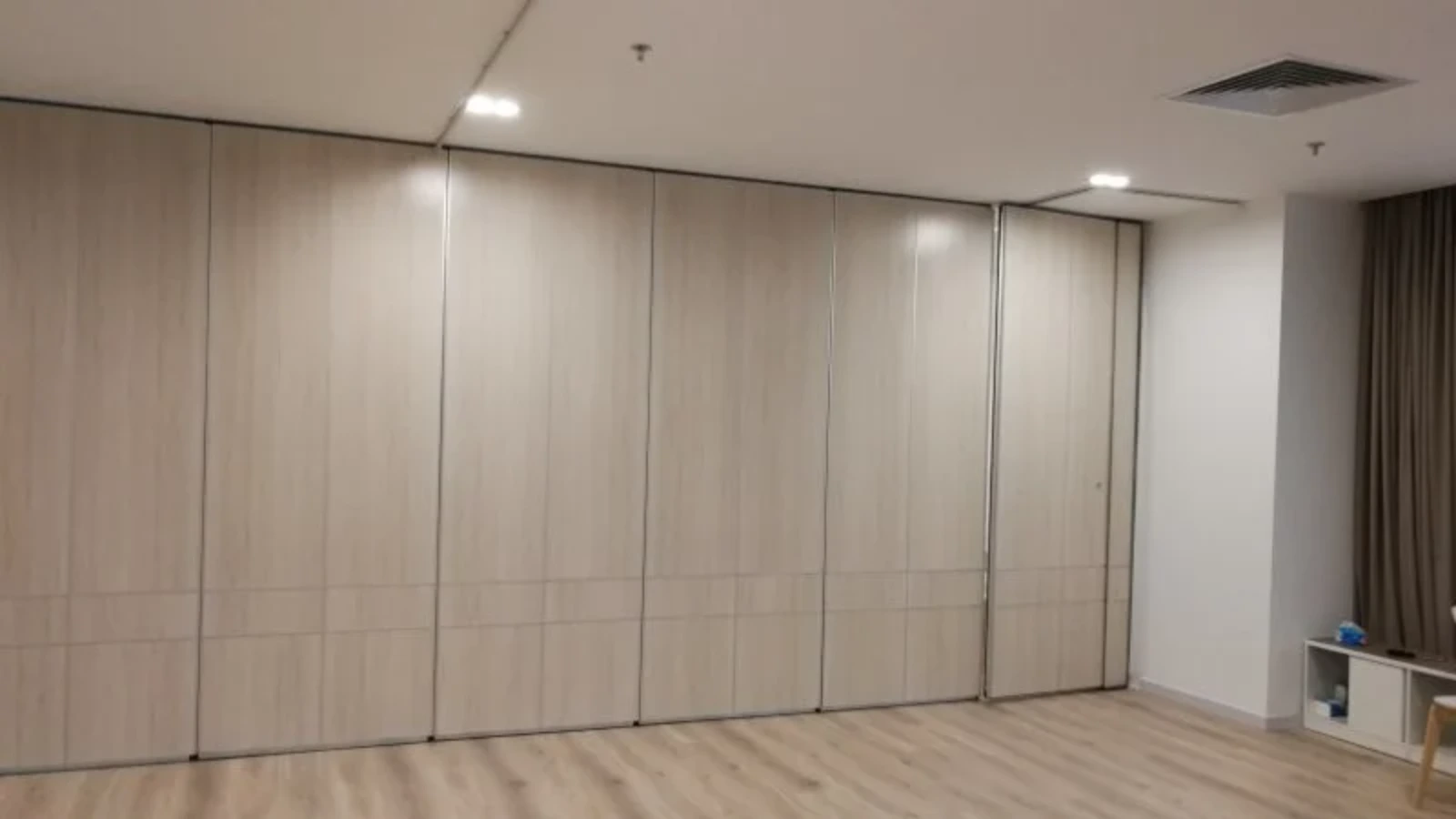
Confirmed finish options include laminate, melamine, fabric, leather, glass and other approved surfaces. A tender that lists finishes without a selection process may front-load the base panel price while leaving finish upgrades, edge details or sample approvals unresolved.
Pass-door requirements and project documentation can be discussed with the supplier. If a return does not mention pass doors, reviewers should not assume they are included. Instead, ask whether they are excluded, optional or pending design confirmation.
Evidence Note: What a Finish Description Does Not Prove
Do not treat a generic finish or application example as evidence of cleaning compatibility, structural capacity, acoustic performance or a application reference. Finish names describe appearance categories, not project-specific performance.
Acoustic Language and STC/Rw Boundaries
The suitability of each route and parking arrangement depends on the approved layout, circulation, ceiling interfaces and operating sequence. Instead, reviewers should ask how acoustic requirements will be confirmed for the specific room, layout and construction.
Visible references can support layout discussion but do not verify hidden construction or performance. The exact overhead route and support arrangement must be confirmed by the responsible project team from coordinated drawings.
Documentation and Coordination Checks Before Award
Front-loaded pricing often survives because documentation gaps are not closed before award. A structured review can reveal whether the return is complete enough to compare. The table below offers a compact way to record findings.
| Review Area | What to Look For | Action if Unclear |
|---|---|---|
| Movement route | Straight, turning and stacking routes shown on layout | Request route review and confirm support requirements |
| Parking position | Planned stacking location coordinated with adjacent trades | Ask for a marked parking plan |
| Finish selection | Laminate, melamine, fabric, leather, glass or approved surfaces | Confirm selection process and sample approvals |
| Pass doors | Included, excluded or pending design confirmation | Request written clarification |
| Acoustic claims | Project-specific evidence or stated confirmation boundary | Do not accept unsupported values |
FAQ: Partition Tender Front-Loaded Pricing
What is partition tender front-loaded pricing?
It is a pricing pattern where early or visible items are priced heavily while later coordination, finishing or documentation obligations are left unclear or understated. It is not a product specification by itself.
Does front-loaded pricing always mean a tender is unsuitable?
No. It is a signal to review scope and documentation more closely. A return may still be workable if the missing items are clarified and priced before award.
How do movable partition drawings help detect front-loading?
Straight, turning and stacking routes are reviewed from the layout. If the return does not reflect those routes or the parking position, the pricing may not cover the full scope shown on the drawings.
Should I accept acoustic values without project evidence?
No.
What finish information should a tender include?
It should identify the approved finish category, such as laminate, melamine, fabric, leather, glass or another approved surface, and explain how final selection and samples will be handled.
When should pass-door requirements be raised?
Raise them during tender review if the layout suggests they may be needed. Pass-door requirements and project documentation can be discussed with the supplier before award.
Conclusion and Next Steps
Detecting partition tender front-loaded pricing is a review discipline. Compare the pricing schedule with the layout, check movement and parking scope, clarify finishes and pass doors, and treat acoustic or performance statements as claims that need project-specific evidence. Confirm project-specific support, acoustic and dimensional requirements before making decisions.
To review your drawings and tender questions with EBUNGE, visit the movable partition walls page, explore flexible space solutions, or contact us to discuss your project. You can also request a quote once your scope and documentation are ready.