
Quick answer: request before partition bid
Review focus: request before partition bid.
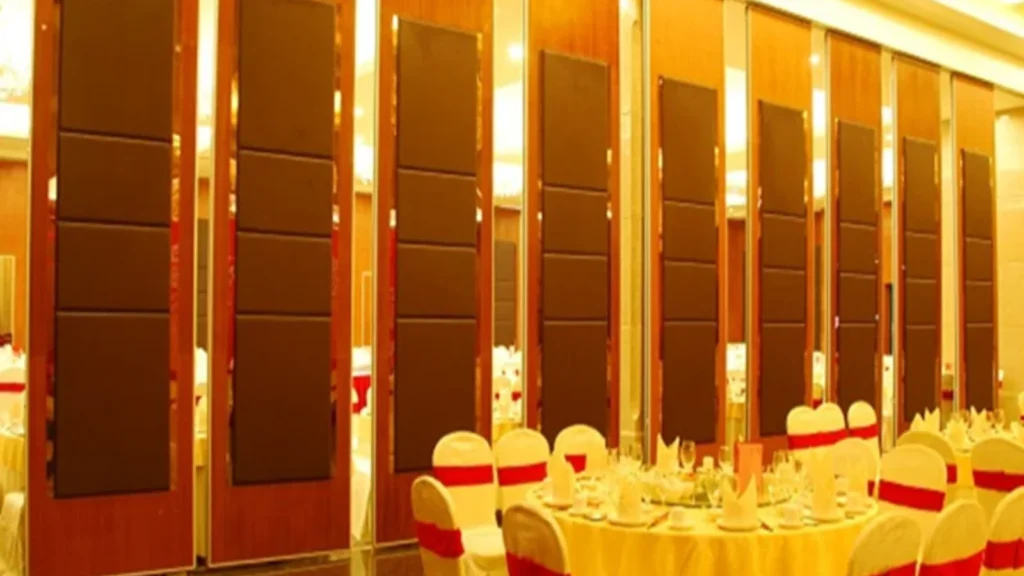
An acoustic evidence request before partition bid is not a formality. It is the point where a contractor separates a defensible quotation from a hopeful one. Movable partitions are top-hung, travel without a continuous floor track, and park at a planned stacking position. Those physical facts shape what acoustic documentation can and cannot tell you. This guide sets out a practical evidence framework for overseas project teams, without promising performance that only a project-specific review can confirm.
Why Acoustic Evidence Matters Before Pricing
Project review term: request before partition bid.
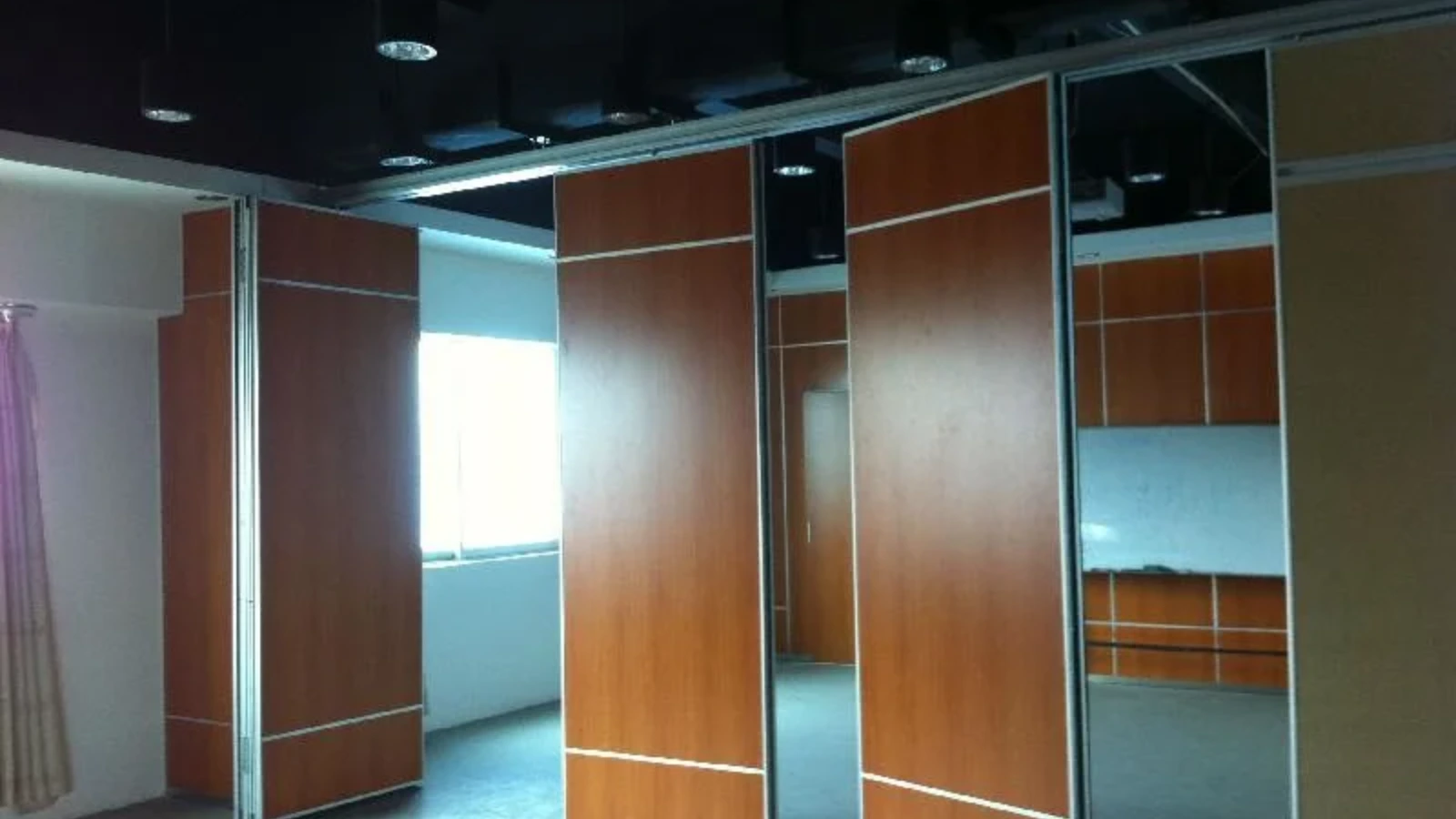
The suitability of each route and parking arrangement depends on the approved layout, circulation, ceiling interfaces and operating sequence. The exact overhead route and support arrangement must be confirmed by the responsible project team from coordinated drawings. A supplier who quotes a number without context leaves the contractor carrying the risk.
Evidence helps you compare bids on the same basis. It also protects the design team when the client asks why one proposal costs more than another. The goal is not to collect the thickest folder. The goal is to collect documents that match the actual opening, the actual route, and the application reference conditions.
What Counts as Acoustic Evidence
Coordination scope: request before partition bid.
Acoustic evidence is any document that describes how a partition assembly behaves under controlled conditions. It should identify the assembly, the test method, and the laboratory or assessment body. A bare marketing figure is not evidence. A labelled report with a clear scope is.
Laboratory test reports
These describe an assembly tested in a controlled facility. They are useful for comparing product families, but they do not automatically represent field performance. Ask whether the tested configuration matches the proposed panel type, finish, and closing detail.
Field performance expectations
Field results depend on workmanship, building structure, and flanking paths. A supplier may describe expected field behaviour, but the contractor should treat it as a design input, not a guarantee. Confirm how the supplier expects the installation to be verified.
Assembly descriptions
An assembly description explains what was tested: panel type, finish, seal arrangement, and interface conditions. Without it, a rating cannot be matched to your specification. Request the description alongside any rating.
How to Read STC and Rw Labels
Checklist focus: request before partition bid.
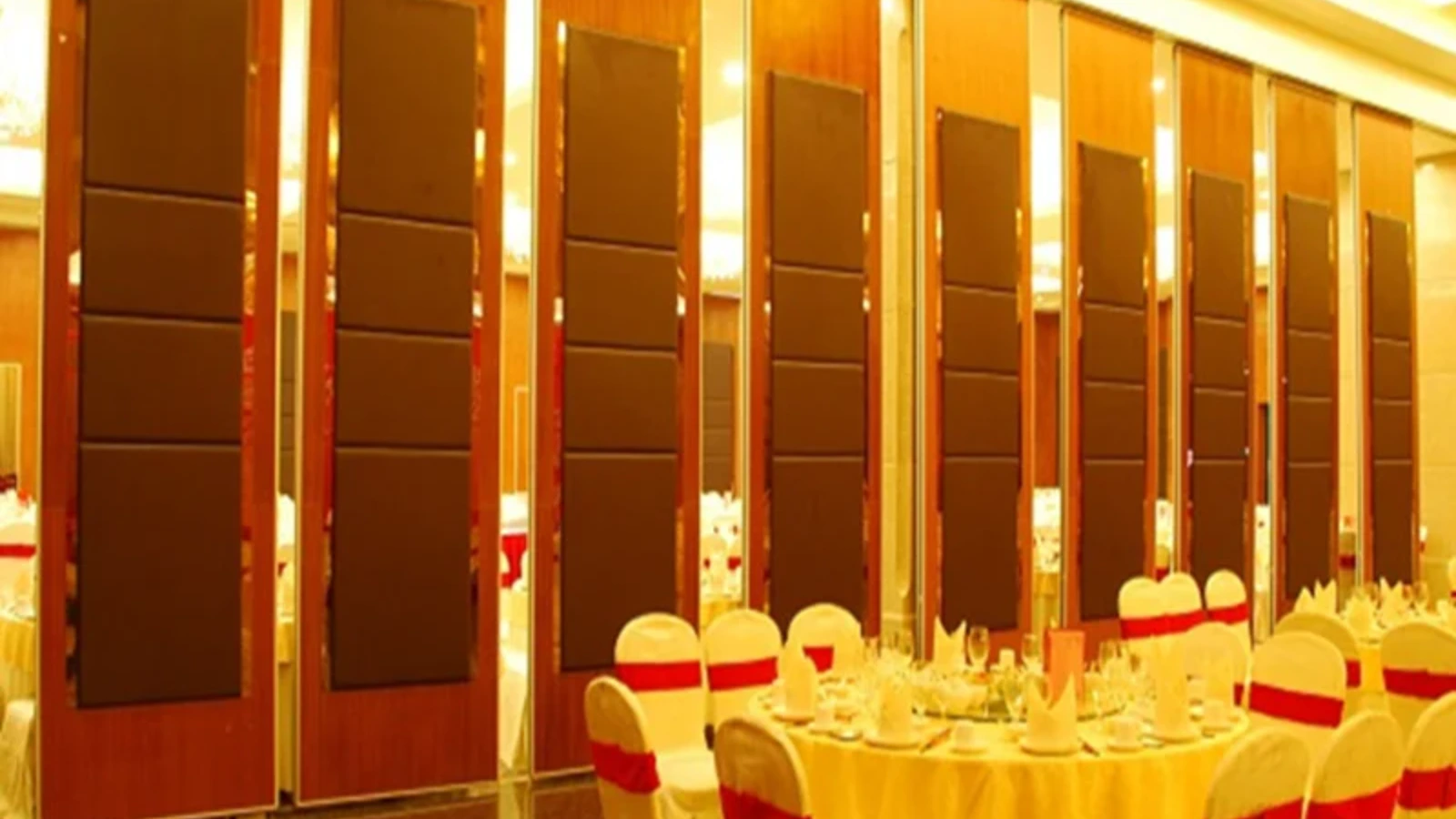
A higher rating generally indicates more attenuation in the tested configuration, but the number only applies to the assembly and conditions described in the supporting document.
Do not assume that two products with the same rating will perform identically on site. The rating is a comparison tool, not a prediction of field outcome.
A Practical Evidence Request Checklist
Use this checklist when you issue a tender or compare quotations. It keeps the acoustic evidence request before partition bid focused on documents that can actually be reviewed.
- Test report or assessment document with a clear reference number.
- Assembly description matching the proposed panel and finish.
- Statement of the test method and the rating scale used.
- Description of the closing and junction details included in the test.
- Statement of what the evidence does not cover.
- Confirmation that the evidence is current and traceable to the proposed product.
Drawing and Layout Information to Submit
Acoustic evidence cannot be reviewed in isolation. The supplier needs the opening dimensions, the intended travel path, and the parking position. Straight, turning, and stacking routes should be reviewed from the layout. Every proposed movement path requires a continuous connected overhead route and project-specific support review.
Opening and elevation drawings
Provide plan and elevation views that show the full opening, the surrounding structure, and the finished floor level. These drawings let the supplier confirm how the partition will close and where the panels will sit when parked.
Route and stacking plan
Show how panels move from the closed position to the stacking position. The exact route, junction arrangement, continuous overhead path and parking position must be confirmed from the coordinated project drawings. If panels stack, show the planned stacking zone and its relationship to adjacent services.
Interface and support information
Identify the structure above the track and any interface with ceilings, services, or finishes.
Questions to Ask Each Bidder
Consistent questions make bids comparable. Ask every bidder the same set, and record the answers in your tender comparison.
- Which document supports the acoustic rating you have quoted?
- Does the tested assembly match the panel, finish, and closing detail you propose?
- What does the evidence explicitly not cover?
- What project information do you still need before confirming performance?
- How will the installed assembly be verified against the design intent?
Common Evidence Gaps and How to Handle Them
Gaps are normal. What matters is how they are handled. If a bidder cannot produce a matching report, ask for a written statement of the boundary and a plan to confirm performance through project-specific review.
Do not accept a rating transferred from a different assembly. Do not accept a finish sample as acoustic evidence. Do not treat a photograph or drawing as proof of performance. Each of these is a visible artefact, not a measured result.
Coordinating Evidence Across the Project Team
Acoustic evidence touches several disciplines. The architect owns the design intent. The contractor owns the installation interface. The owner owns the acceptance criteria. The supplier owns the product documentation. Coordination means agreeing who reviews what, and when.
Set a deadline for evidence submission that sits before bid clarification, not after. This gives the design team time to compare documents and ask follow-up questions while there is still room to adjust the specification.
FAQ
What is the single most important acoustic document to request?
A test report or assessment that clearly identifies the assembly, the method, and the rating scale. Without that link, the number cannot be matched to your project.
Can a supplier guarantee field acoustic performance?
No responsible supplier should promise a field result without reviewing the actual opening, structure, and interfaces. Field performance depends on conditions that only project-specific review can address.
Does a higher STC or Rw rating always mean better performance?
Not automatically. The rating applies to the tested assembly and conditions.
What drawings should I send with my acoustic evidence request?
Send plan and elevation drawings, the route and stacking plan, and interface information for the structure above the track. These let the supplier review the layout rather than guess.
How do I compare bids with different evidence packages?
Ask each bidder to state what their evidence covers and what it does not. Then compare on the same basis. If a gap remains, record it as a clarification item rather than assuming equivalence.
When should acoustic evidence be requested in the tender process?
Request it before bid clarification closes. Early submission gives the design team time to review documents and confirm project-specific requirements before pricing is finalised.
Conclusion and Next Step
A structured acoustic evidence request before partition bid protects the contractor, the designer, and the owner. It replaces assumptions with documents, and it makes clear where project-specific confirmation is still required. Confirm support, acoustic, and dimensional requirements for your own project before relying on any quoted figure.
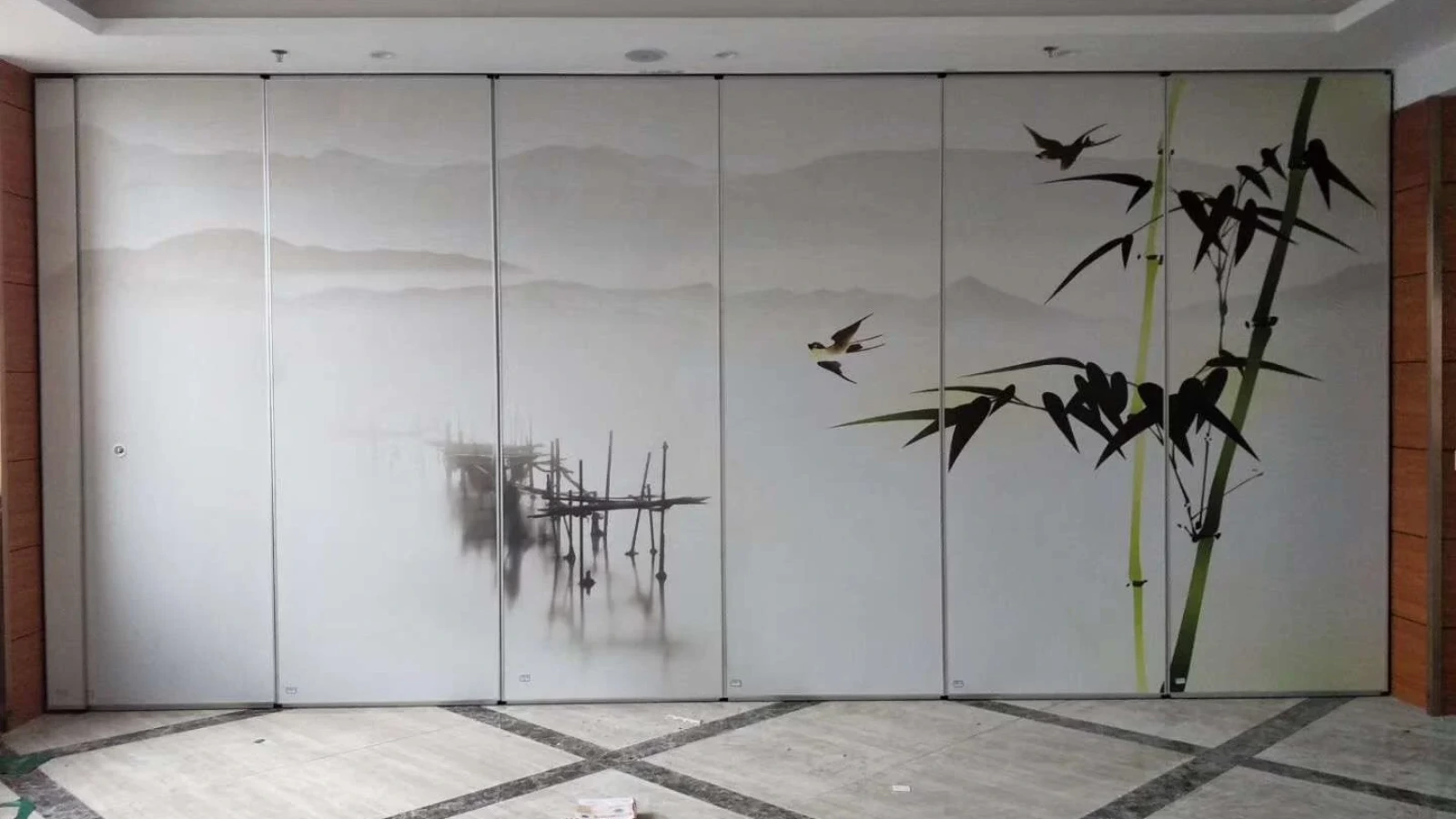
To discuss pass-door requirements, project documentation, or finish options such as laminate, melamine, fabric, leather, and glass, contact our team. You can also review the acoustic partition wall range or explore flexible space solutions before you request a quote.