
Quick project answer
Review focus: acoustic evidence request log.
An acoustic evidence request log is a simple project register that records what acoustic information has been requested, from whom, in what format, and what remains unconfirmed before a movable partition bid is compared. It does not replace a specification, a drawing review or a project-specific acoustic assessment. It keeps those conversations traceable. For overseas contractors, architects, interior designers and owners, the log prevents a common problem: treating a brochure phrase, a finish sample or a generic product page as proof of project performance. This guide explains how to build the log, what to ask for, and where confirmation boundaries belong.
Why an Acoustic Evidence Request Log Matters Before Bid
Project review term: acoustic evidence request log.
Movable partition bids often arrive with different assumptions. One supplier may describe a system by its visible finish. Another may refer to a laboratory rating without stating the tested assembly, mounting condition or project context. A third may leave acoustic intent to the contractor. Without a shared evidence log, comparison becomes guesswork.
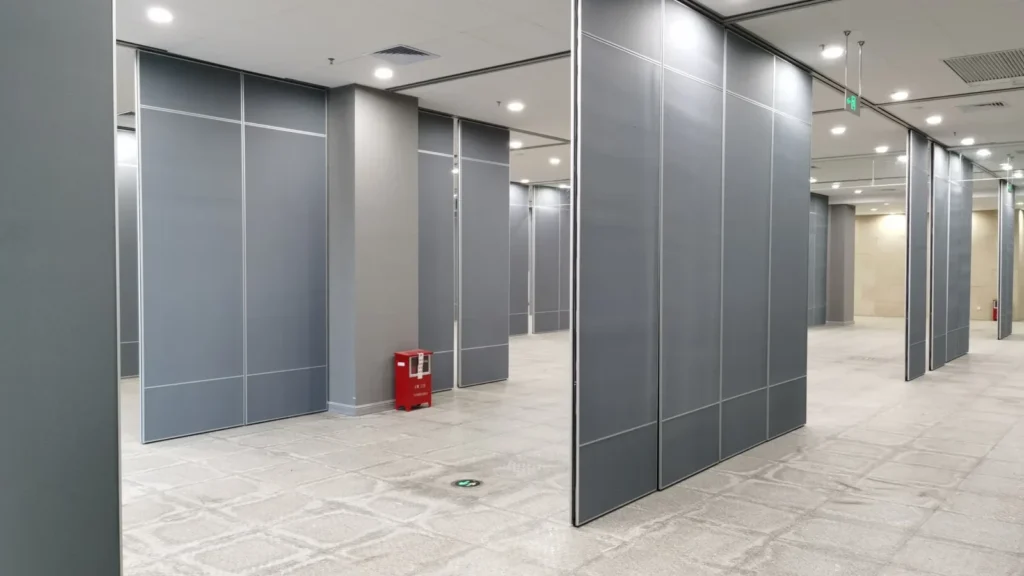
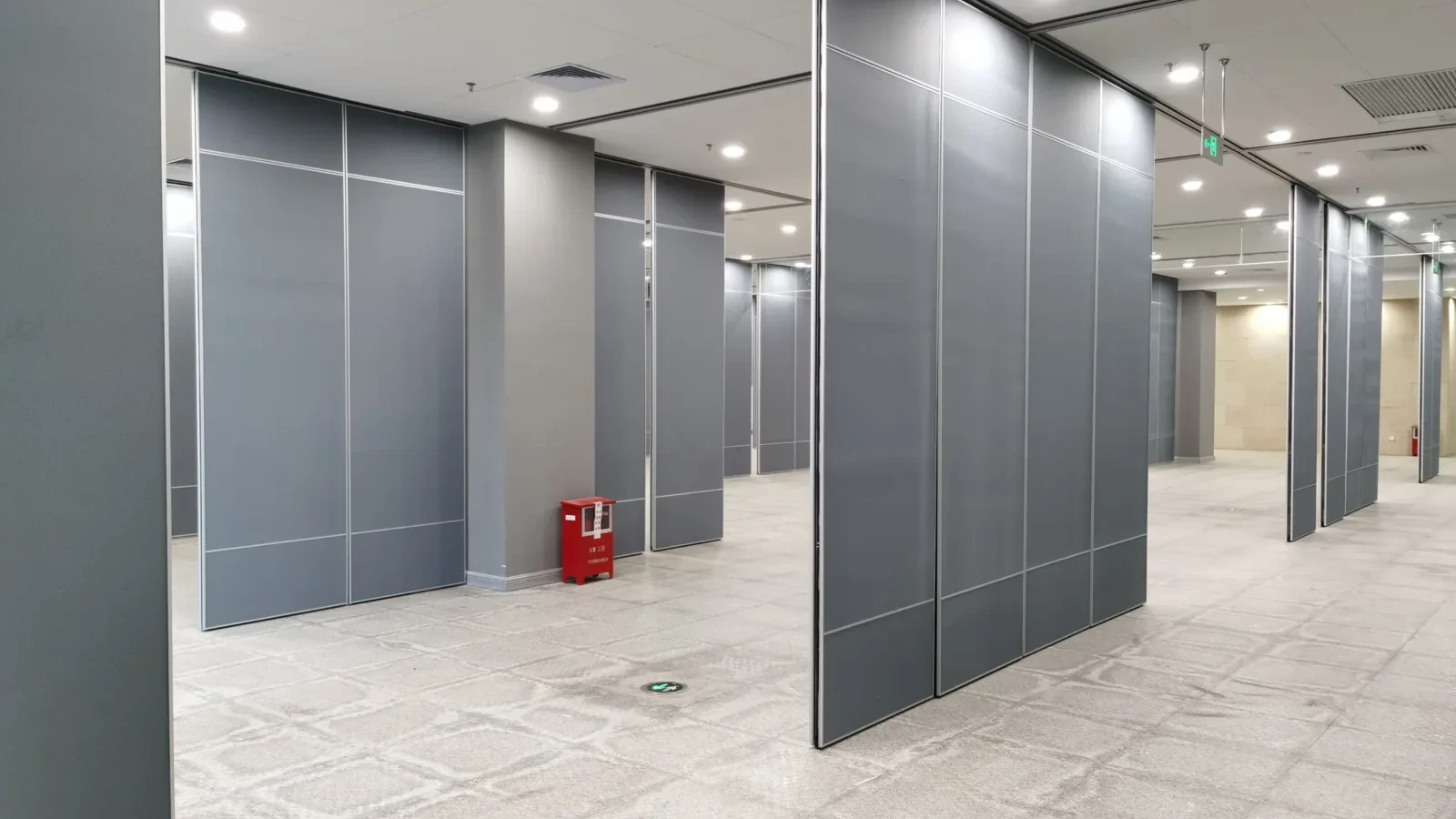
The log creates a neutral place to record requests and responses. It also separates product facts from project-specific requirements. EBUNGE movable wall panels are individually movable, suspended from a top track, cross the opening without a floor track, and park at a planned stacking position. Those are maintained product facts. The suitability of each route and parking arrangement depends on the approved layout, circulation, ceiling interfaces and operating sequence.
What the log is not
It is not a certification, a test report, a warranty or a performance guarantee. It is a coordination tool.
Start With the Project Information You Already Have
Coordination scope: acoustic evidence request log.
Before requesting evidence, assemble the project context. The quality of the log depends on the clarity of the question. A request that says “send acoustic data” is difficult to answer usefully.
Core inputs to gather
- Layout drawings showing straight, turning and stacking routes.
- Room names and intended uses, with the understanding that named venues are examples only.
- Opening dimensions, adjacent construction and any pass-door requirements.
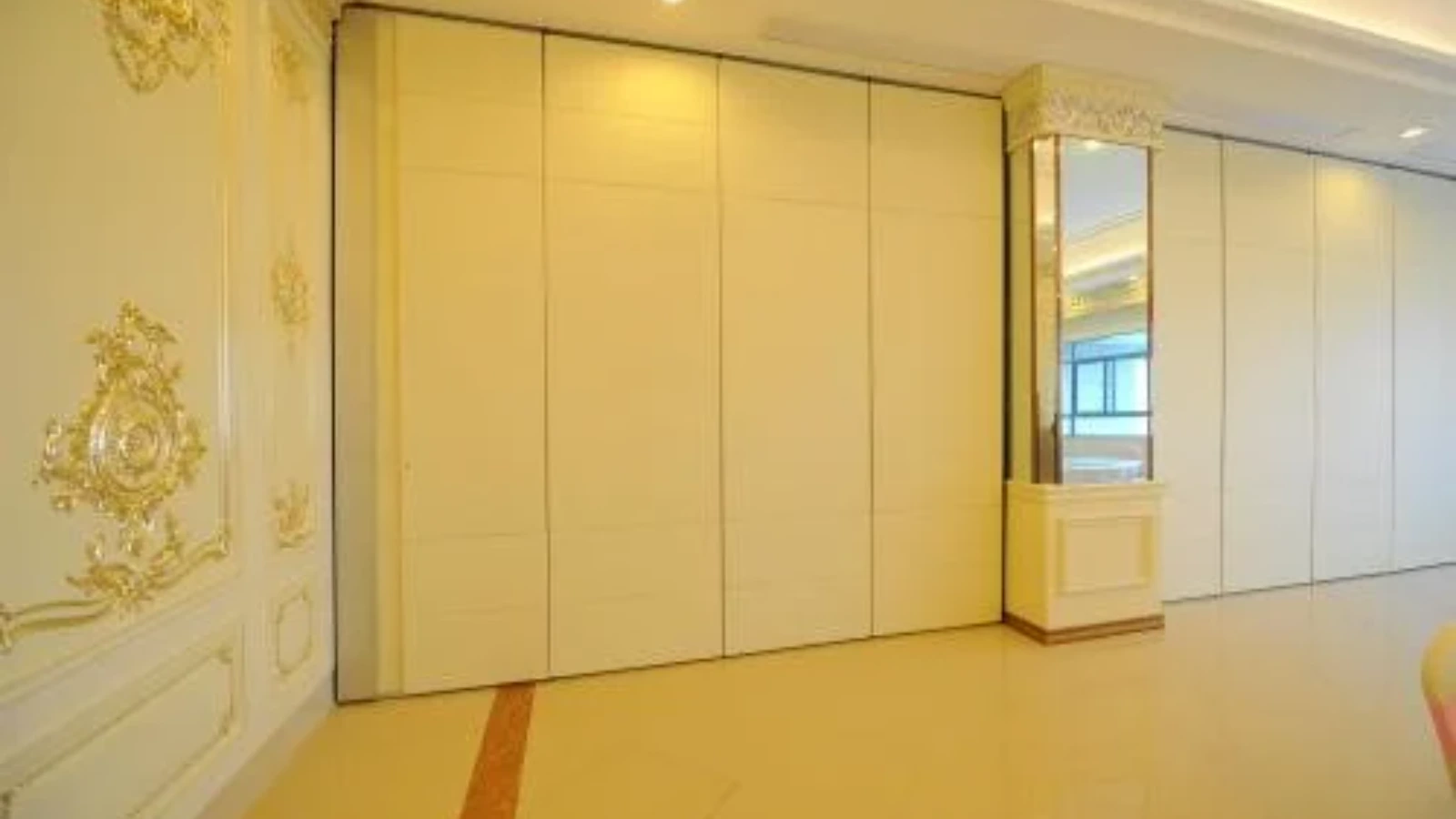
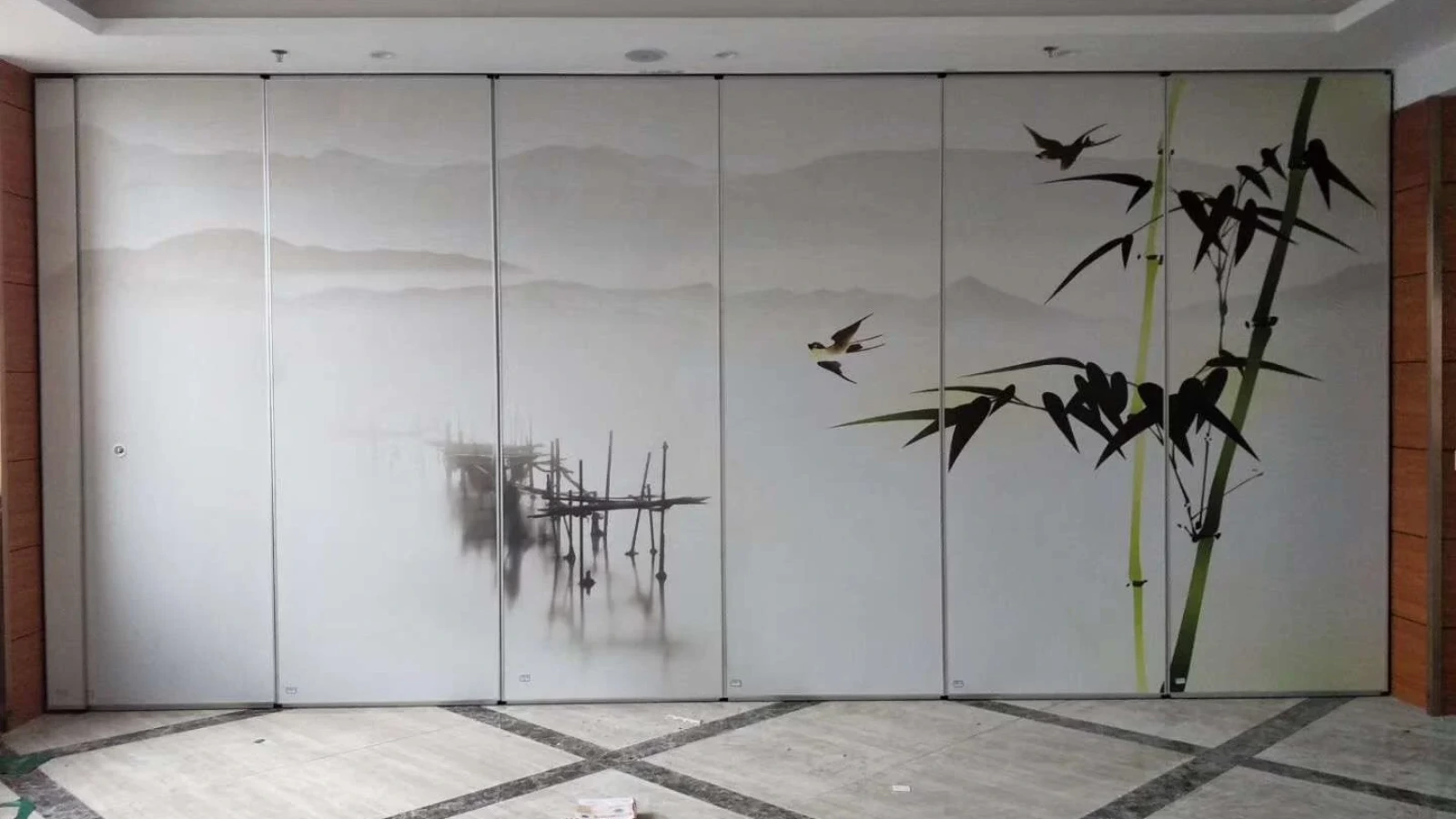
- Finish direction, such as laminate, melamine, fabric, leather, glass or another approved surface.
- Project documentation requirements, including submittal format and review stages.
Visible references can support layout discussion but do not verify hidden construction or performance. They define the questions that evidence must answer.
Build the Log: A Numbered Process
- Create a unique request line. Give every acoustic question an ID, date and owner.
- State the project condition. Reference the drawing, room and partition route the question relates to.
- Name the evidence type requested. For example, a laboratory report, a manufacturer statement, a drawing note or a project-specific assessment.
- Record the response format. Note whether the response is a PDF, a marked drawing, a calculation or a written clarification.
- Log the boundary. If the response does not cover the project condition, record that limitation explicitly.
- Close the loop. Mark each line as open, answered, partially answered or requiring project-specific confirmation.
This process keeps the bid comparison honest. It also shows reviewers where a claim stops and where a project decision begins.
What to Request, and What to Treat Carefully
A rating belongs to a defined assembly, test condition and mounting arrangement. If a supplier provides a rating, the log should record what it applies to and what it does not.
Evidence note: visible limits
Do not infer acoustic, fire, durability, load or maintenance performance from a visible shape, finish, photograph or drawing. Comparative, absolute and causal statements require corresponding evidence. Otherwise, record the exact project-specific confirmation boundary.
For movable partitions, the movement path matters. Every proposed route requires a continuous connected overhead route and project-specific support review. The log should capture whether the submitted evidence addresses the actual route, including turning and stacking positions.
Compact Comparison Table for Bid Review
| Log field | What to record | Why it matters |
|---|---|---|
| Request ID | Unique reference and date | Prevents lost or duplicated questions |
| Project condition | Drawing, room, route and opening | Ties evidence to the real installation |
| Evidence type | Report, statement, drawing note or assessment | Clarifies what is actually being offered |
| Scope limit | What the evidence does not cover | Prevents over-reading a generic document |
| Status | Open, answered, partial or project-specific | Supports a fair bid comparison |
Use the table as a working register, not as a substitute for professional review. The acoustic partition wall product context can help frame questions, but it does not replace project evidence.
Coordinate the Log Across the Project Team
Architects can define room intent and drawing references. Contractors can confirm site conditions and route constraints. Owners can state acceptance criteria. Distributors can return supplier responses in a consistent format.
Acoustic evidence request workflow coordination
Set a review rhythm. Before bid comparison, check that every open line has an owner and a due date. After bid submission, review partial answers and mark them clearly. If a response depends on a project-specific assessment, record that dependency rather than treating it as resolved.
For broader project coordination, the solutions overview can support early conversations about flexible space. It should not be used to infer performance.
Common Pitfalls and How to Avoid Them
One pitfall is accepting a finish sample as acoustic evidence. Another is comparing bids on different assumptions. A third is leaving pass-door requirements out of the log. Pass-door requirements and project documentation can be discussed, but they need to be recorded as project-specific items.
Another pitfall is assuming that a top-hung system removes all coordination needs. It removes a continuous floor track along the partition line, but it does not remove the need to review support, routes and dimensional requirements. Parking style is customized to the customer layout and project requirements and may support compact stacking when the coordinated design permits it.
FAQ: Acoustic Evidence Request Log
What is an acoustic evidence request log?
It is a project register that records acoustic evidence requests, responses, scope limits and open items before a movable partition bid is compared.
Does the log guarantee acoustic performance?
No. It organizes evidence.
Should I ask for STC or Rw values?
You can ask, but treat them as rating concepts tied to defined test conditions.
What if a supplier provides only a brochure?
Record it as a limited response. Ask what project condition it covers and what remains unconfirmed. Mark the line as partial or project-specific.
How does the log handle finishes?
Record the finish direction, such as laminate, melamine, fabric, leather, glass or another approved surface.
When should the log be closed?
It can remain open through bid review and into project-specific confirmation. Close lines only when the evidence scope matches the project condition.
Conclusion and Next Step
Building an acoustic evidence request log before a partition bid gives your team a clear, traceable way to compare submissions without over-reading generic information. Keep every line tied to a drawing, a room and a route. Record scope limits. Confirm support, acoustic and dimensional requirements for the specific project. If you need to discuss pass-door requirements, documentation or project-specific review, contact us or request a quote with your layout information.