
Quick project answer
Review focus: partition tender scoring matrix.
A partition tender scoring matrix turns a folder of movable wall bids into a comparable, defensible shortlist. For overseas contractors, architects, interior designers, owners and renovation teams, the matrix is not a beauty contest. It is a structured way to test whether each submission answers the same project questions with the same level of evidence. This guide explains how to build and use a partition tender scoring matrix without inventing performance, cost or engineering conclusions that the documents do not support.
Why a Weighted Matrix Beats a Lowest-Price Shortlist
Project review term: partition tender scoring matrix.
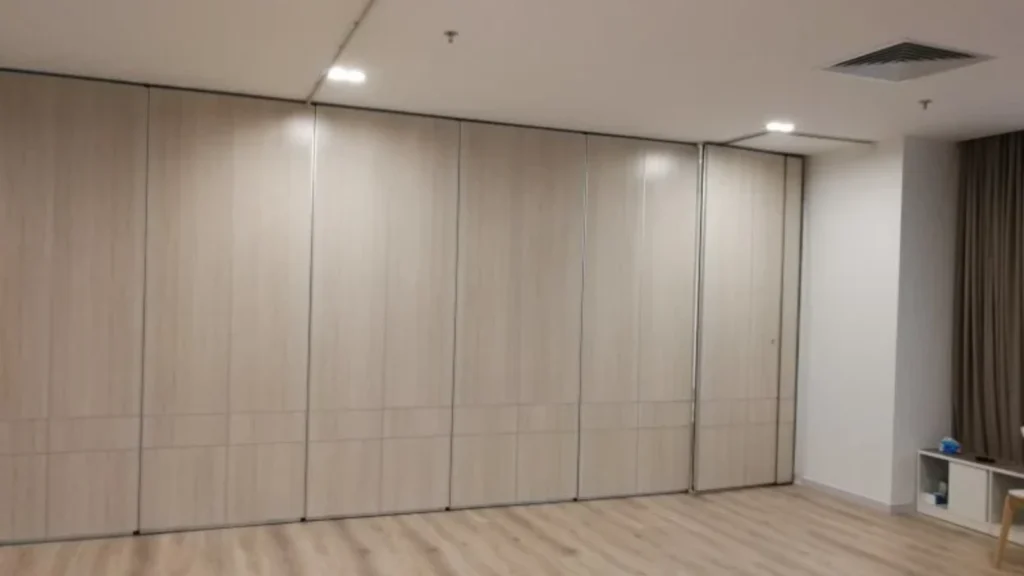
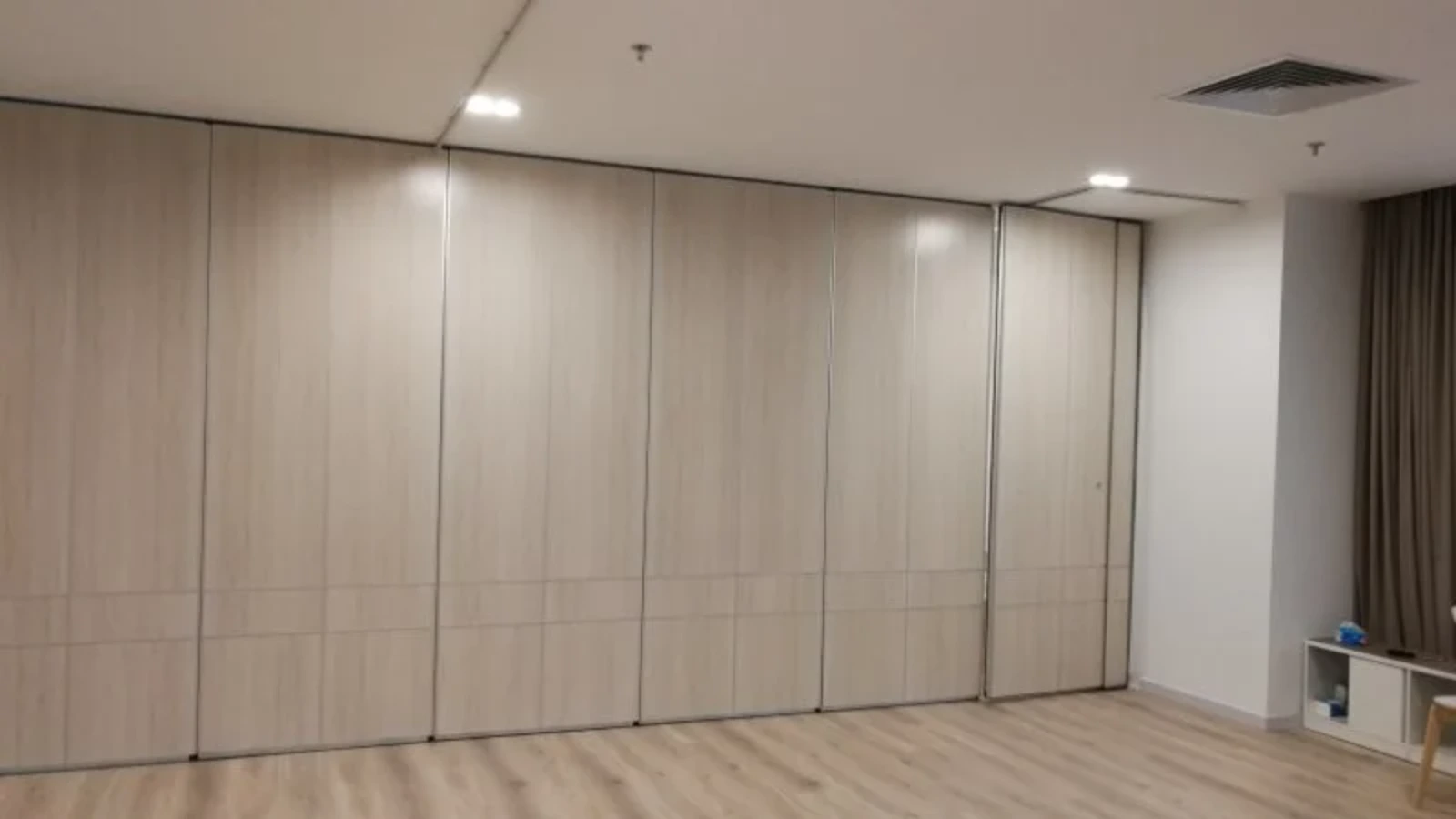
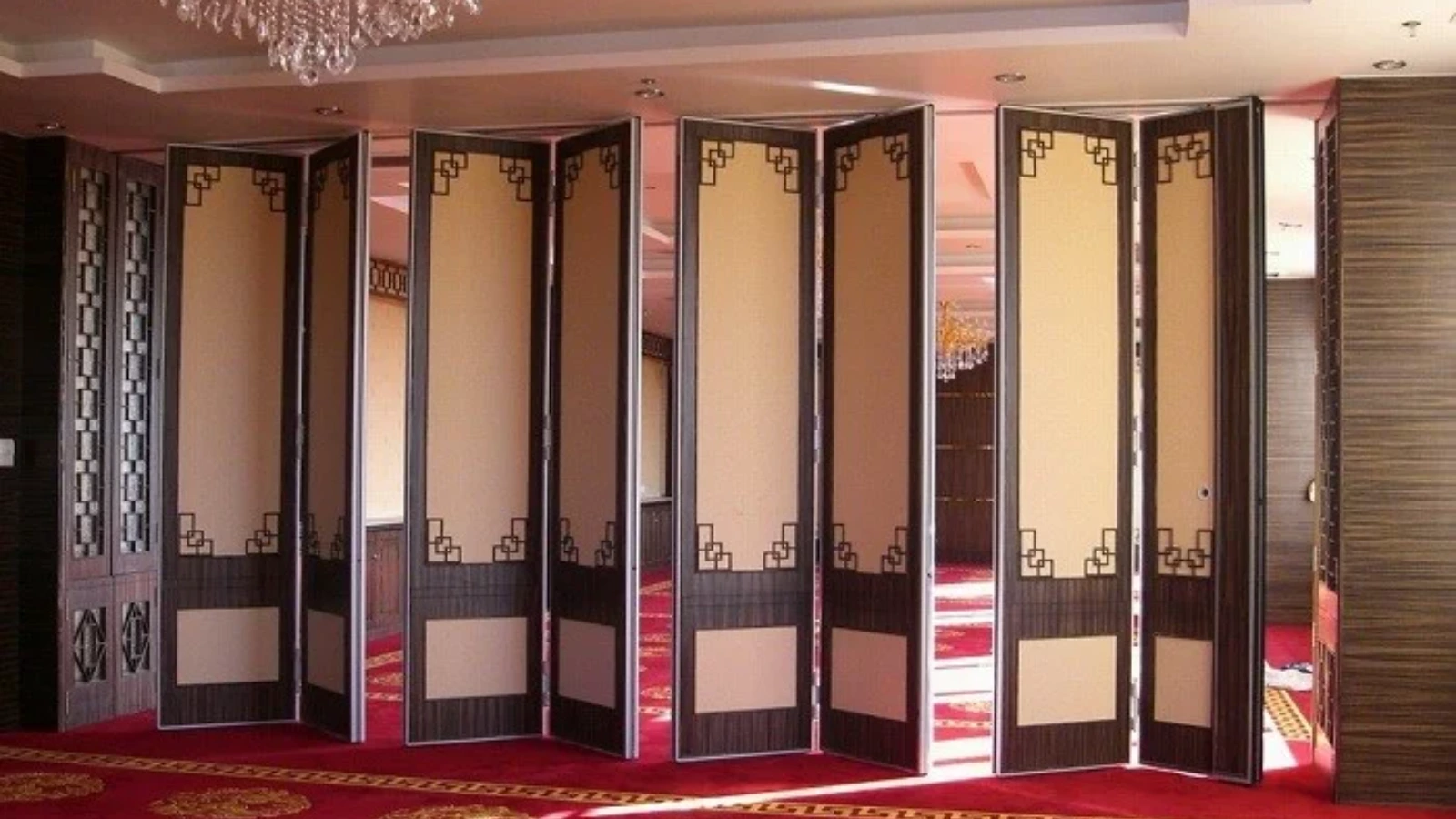
Movable partitions are configured around a project. Panels are individually movable, suspended from a top track, cross the opening without a floor track and park at a planned stacking position. Those facts already show why bids can differ: the same opening can be served by different route layouts, stacking arrangements and finish choices. A single price column hides those differences.
A weighted matrix forces the team to agree on what matters before scores are opened. It also separates commercial comparison from technical review, so a low number cannot quietly override a missing drawing or an unclear scope statement.
Define Criteria Before You Open the Bids
Coordination scope: partition tender scoring matrix.
Write the criteria and weights before reading submissions. If weights are set afterwards, the matrix becomes a justification tool rather than a decision tool. Keep the list short enough to score consistently, and define what evidence counts for each line.
Core criteria for movable partition tenders
- Route and layout fit: does the submission address straight, turning and stacking routes shown on the project layout?
- Clear-floor operation: does the proposal reflect top-hung panels that cross the opening without a floor track?
- Parking strategy: is the planned stacking position described in relation to the room and adjacent areas?
- Finish scope: are laminate, melamine, fabric, leather, glass or other approved surfaces clearly listed and matched to the schedule?
- Pass-door requirements: are pass-door needs identified and discussed rather than assumed?
- Documentation quality: are drawings, schedules and clarifications complete enough for review?
- Coordination and support review: does the bid acknowledge that support and dimensional requirements need project-specific confirmation?
Build the Weighted Matrix Step by Step
Checklist focus: partition tender scoring matrix.
A simple weighted model keeps scoring transparent. Use a 1–5 scale for each criterion, multiply by the weight, and total the result. The numbers below are illustrative weights only; your team should set its own based on project priorities.
- Agree the criteria list and freeze it.
- Assign weights that total 100%.
- Define a short scoring guide for 1, 3 and 5 so reviewers interpret the scale the same way.
- Score technical criteria first, without seeing commercial totals.
- Add commercial scores separately, then combine.
- Record a short evidence note for every score below the midpoint.
- Review the ranked list against the drawings before any recommendation.
Sample Weighted Structure for Comparison
The table below shows how a matrix can be organised. It is a format example, not a statement about any supplier or project.
| Criterion | Illustrative weight | Evidence to look for |
|---|---|---|
| Route and layout fit | 20% | Marked straight, turning and stacking routes |
| Clear-floor operation | 15% | Description consistent with top-hung, no floor track |
| Parking and stacking | 15% | Planned stacking position shown on layout |
| Finish scope | 15% | Finish schedule matched to approved options |
| Pass doors and access | 10% | Pass-door requirements stated and discussed |
| Documentation | 15% | Drawings, schedules and clarifications complete |
| Coordination notes | 10% | Support and dimensional confirmations flagged |

Score Evidence, Not Adjectives
Bids often contain confident language. The matrix should reward verifiable content instead. The suitability of each route and parking arrangement depends on the approved layout, circulation, ceiling interfaces and operating sequence. Ask for the project-specific confirmation that applies to the proposed configuration.
Evidence note: a finish sample, a route drawing or a written clarification can be reviewed. A general statement about quality, durability or performance cannot be scored as if it were project evidence.
Where a claim cannot be verified from the submission, mark it as an open item. Do not convert an open item into a score.
Run the Drawing Review Before Ranking
The matrix ranks submissions; the drawings test whether the ranking is realistic. Review each shortlisted bid against the layout and confirm that the proposed movement path is continuous and overhead-supported. The exact route, junction arrangement, continuous overhead path and parking position must be confirmed from the coordinated project drawings.
Questions for the drawing review meeting
- Does the proposed route match the straight, turning and stacking paths on the layout?
- Is the parking position practical for the room and adjacent circulation?
- Are pass-door locations and swing requirements addressed?
- Are finish selections consistent with the approved schedule?
- Which support, acoustic and dimensional items still need confirmation?
Record the answers as conditions attached to the score. A high-scoring bid with unresolved conditions is not the same as a fully coordinated bid.
Common Scoring Mistakes to Avoid
Three mistakes appear often. First, scoring commercial totals before technical review, which anchors the team on price. Third, allowing a single reviewer to score every line without a calibration discussion.
A short calibration session using one sample bid can align reviewers before the full round. Keep notes brief but specific, and revisit the weights only if the project brief itself has changed.
FAQ: Partition Tender Scoring Matrix
What is a partition tender scoring matrix?
It is a structured comparison tool that scores each movable partition submission against agreed weighted criteria, so technical and commercial factors can be reviewed consistently.
How many criteria should the matrix include?
Enough to cover route, layout, parking, finish scope, pass doors, documentation and coordination, but few enough that reviewers can apply the same standard to every bid.
Should price be the highest-weighted criterion?
That depends on the project. Many teams separate technical scoring from commercial scoring and combine them only after the technical review is complete.
How do we handle unclear performance claims?
Mark them as open items and request project-specific confirmation. Visible references can support layout discussion but do not verify hidden construction or performance.
When should the drawing review happen?
Before the final ranking is issued. The drawings confirm whether the proposed routes, stacking positions and pass-door arrangements match the project layout.
Can the same matrix be reused on another project?
The structure can be reused, but weights, criteria and evidence requirements should be reviewed against each project’s layout, support conditions and dimensional needs.
Conclusion and Next Step
It will not replace professional judgement, and it cannot confirm support, acoustic or dimensional requirements on its own. Those items remain project-specific and should be confirmed with the project team and supplier.
To discuss pass-door requirements, finish options, route layouts or project documentation for movable partition walls, contact EBUNGE. You can also review the movable partition walls range, explore flexible space solutions, or request a quote for your project.